
The Travel Kinship Video Library
Meet the founders and teams behind the luxury destination management companies (DMCs) Travel Kinship represents. Our webinars introduce travel advisors to a destination and the DMC that knows it best, and Voices of Kinship interviews go behind the scenes with the people who design the trips. Every video has its own page with a summary of what you will learn. Search by destination, DMC or speaker, or contact us for an introduction to any of our partners.
-
 • 4/23/26
Quiet Luxury in Central Portugal
Ready to go beyond Lisbon and Porto? In this webinar, Paula Alves of Portugal by TravelTailors introduces travel advisors to central Portugal and its lesser known interior, from coastal towns to mountain escapes and historic villages. It is a guide to quiet luxury in Portugal's heartland.
Connect me with Portugal by TravelTailors
What you will learn
The best routes and ways to travel through central and interior Portugal
Signature experiences that bring the region to life
Local food, traditions and authentic places to stay
How to balance famous sights with discoveries off the beaten path
Why central Portugal suits slow travellers and returning visitors
Planning a trip to central Portugal: key questions answered
Why should clients visit central Portugal rather than only Lisbon and Porto?
Most itineraries race along the coast between Lisbon and Porto, so Portugal's interior is often missed. Paula Alves sees it as the place where Portugal's traditions are still part of daily life: burel wool from native Bordaleira sheep, goat's cheese and wood oven bread in the schist villages, Dão wines around Santar and local markets made for locals, not visitors. It offers a slower, quieter kind of luxury, with no crowds and the feeling of having discovered somewhere genuinely different.
How many nights does a central Portugal itinerary need?
Paula's full route, from Porto to Lisbon through Aveiro, Santar, the Serra da Estrela, Lousã, Fátima and the Silver Coast, works well at two nights per hotel, about 12 nights. The hotels are only one to two hours apart, so clients can choose fewer bases and focus on the interior or the coast. Places further inland, such as Monsanto, need extra time to be enjoyed properly.
Where do clients stay in central Portugal?
Wherever possible, Portugal by TravelTailors chooses hotels in the heart of small towns, so clients can walk out to a café or a little shop. Highlights include palace houses in Aveiro and Lousã, Valverde Santar Hotel & Spa in a 17th century manor house, the mountain views at Casa de São Lourenço near Manteigas, Luz Houses in Fátima, built like a small Portuguese village with a spa in an underground cave, and the eco minded Areias do Seixo near the coast. There are Small Luxury Hotels and Relais & Châteaux properties in the region, and the team only works with four and five star hotels.
Is central Portugal a good choice for families?
Yes. The whole route is family friendly, and walks and bike rides can be adjusted to any age. Children love the farm visit in a schist village, where they milk a goat, make fresh cheese and bake bread in a wood oven. Hotels can be swapped for private villas for groups and multigenerational families, and at Areias do Seixo families stay in villas where chefs can cook for them.
When is the best time to visit central Portugal?
Spring and autumn are ideal. The interior gets quite cold in winter, and the Serra da Estrela is where Portugal sees snow, while autumn brings beautiful colours to the mountains and fewer visitors everywhere.
Questions advisors asked Paula
Is helicopter transport available from hotels in central Portugal?
Possibly. Portugal by TravelTailors has arranged helicopter transfers from the Douro Valley to the Alentejo and elsewhere, but would need to check for these particular hotels. Paula also flags that Portugal has single engine helicopters, with only one privately owned twin engine aircraft, which some clients prefer to know in advance.
Should clients use a private driver or the train on a route like this?
A private driver. The train works along the coast between Lisbon and Porto, but for the interior a private driver lets clients relax. Self drive is also easy in Portugal, and the team handles it when clients prefer to drive.
Is it safe for clients to walk around the villages on their own at night?
Yes. Paula describes the towns of the interior as extremely safe and tranquil, including for women travelling alone, which makes the region a good fit for solo travellers.
About Portugal by TravelTailors
Portugal by TravelTailors is a Lisbon based boutique DMC creating tailor made journeys across mainland Portugal, Madeira and the Azores, built on long standing relationships with local artisans, producers and hotels. Travel Kinship represents Portugal by TravelTailors to travel advisors. Discover Portugal by TravelTailors or contact Travel Kinship for an introduction.
Full Transcript
Kelly: Hi, everyone, and welcome to our Travel Kinship webinar featuring Portugal by TravelTailors. The chat isn't working today, so please use the questions box for any questions, and we'll have time at the end for Paula to answer them. If there's anything else, we can always connect you with Paula afterwards. My name is Kelly Tolliday, and I'm the Managing Director of Travel Kinship. We're a global representation company for amazing boutique luxury DMCs around the world, and one of them is Portugal by TravelTailors. We have Paula Alves here with us, and as you can guess from the name, they specialise in all things Portugal. We're really excited about today's webinar, because we're diving deep into a region of Portugal that often gets overlooked, even though there is so much for your clients to explore: an authentic taste of Portuguese culture away from the more crowded spots, and a real sense of the slow, quiet luxury you can experience throughout central Portugal. Paula will spend the next 30 to 40 minutes sharing her expertise. Take it away, Paula.
Paula: Hello, everyone, and thank you so much, Kelly, for the introduction. We are definitely going to dive into central Portugal, one of the largest regions of the country, and part of it is overlooked, as I'll explain. As a side note, if you follow Portugal by TravelTailors on Instagram, you can meet our newest team member. She's here in the office with me, so hopefully she stays nice and quiet, and I'll let you see her at the end.
If you've watched any of our webinars, you'll know that I grew up in the United States, and my love for Portugal is very much tied to the country's traditions and culture, which is what we love to showcase. Here in central Portugal, we want travellers to feel they are in a distinctive place, that they have really visited somewhere different.
Let's start with the map, so you understand the logistics. If they can, your clients should start in Porto, in the north. The green dots are the hotels, and the white dots are a few of the experiences, not all of them, just to give you a sense of space. We start in Porto and end in Lisbon, and this map will appear throughout the presentation so you can follow the region and the distances.
When we say overlooked, we mean the interior of central Portugal. The coast is usually part of a best of Portugal itinerary. Many trips start in Lisbon and go to Porto, or the other way round, and probably stop in Coimbra or other towns along the coast. So that coastal strip is fairly well known. It's the rest that isn't.
We start with Aveiro. You'll receive all of this information afterwards, and the PDF will help you understand everything. In Aveiro, one lovely experience is a cruise on a moliceiro, a boat similar to a gondola. These boats were used to gather and transport seaweed, and now they're used mainly for visitors. It's a beautiful ride along the canals and through the city, which has been beautifully renovated and is really gorgeous right now. Another lovely experience is oysters. Clients can stop for an oyster tasting during a moliceiro ride, visit an oyster farm, or add oysters to other seafood at a lovely restaurant. You can mix and match. There's also a bike ride to Costa Nova, not far from the centre of Aveiro, where the striped homes along the waterfront are very typical of the region. So, a lovely ride along the coast to Costa Nova, perhaps stopping for oysters.
One of the properties we suggest is the beautiful Palacete de Valdemouro in central Aveiro. You'll notice throughout the presentation that, as far as possible, the hotels are in the centre of towns, whether a small town or a bigger city, and when I say bigger city, I mean big by Portuguese standards. These are very small cities. Aveiro feels like a town compared with New York or Boston. So your clients can stay in this beautiful palace style house in the centre of Aveiro and walk around, explore on their own or with a guide, and enjoy the restaurants and shops. It's a really immersive experience in a small place.
Now we leave Aveiro and head inland. From Aveiro to the next hotel, Valverde Santar, is about an hour's drive. Clients can go straight from Aveiro to the Dão wine estate you see here and then on to the hotel, or go to the hotel first and take day trips. All of these visits are easy day trips of 40 minutes to an hour, very simple and very enjoyable, and then clients return to their hotel.
Santar is a beautiful tiny town. There isn't much there: the gorgeous hotel, a few homes, lovely medieval style lanes and houses, and a beautiful palace house where clients can do a wine tasting and visit the historic gardens. It's a really lovely visit, something different in a quieter, much less touristy part of Portugal. Clients can also do a Dão wine tasting at a lovely wine estate and enjoy lunch there, as they have a restaurant. Dão is another of Portugal's regional wines. In the north you have green wine and the Douro, which most people have heard of, then the Alentejo wines in the south, the Lisbon wines and the Algarve too. There are a lot of wines in Portugal, and this is another one for clients who love wine and food.
We've also added a lovely spot called Foz d'Égua. It isn't even a town, just a beautiful place that feels like a hobbit village, with a little bridge and tiny houses. It's a lovely visit for clients who want to walk in nature, and it's very unexpected and different.
The hotel is the gorgeous Valverde Santar Hotel & Spa, a real château style property in a beautiful 17th century manor house. You have all the luxury and comfort in a really off the beaten track location. This is the unexpected side of Portugal. Your clients can have an amazing trip without feeling touristy or being in a big, busy city. They feel relaxed and on holiday.
From Santar we go further inland to Casa de São Lourenço, near Manteigas. This is close to the Serra da Estrela, the highest mountain range in mainland Portugal. The country's highest mountain is Pico in the Azores, but this is the highest on the mainland, and it's where it snows in our winter months, along with parts of the north. Again, it's about an hour's drive. There's plenty to enjoy here, all based around nature, and I'll explain shortly why we chose this central town.
One lovely experience here is the art of burel. Burel is a fabric made from the wool of the Bordaleira sheep, a breed native to Portugal. Shepherds used it to make capes that protected them from the cold and the rain, because it's waterproof and very warm. I'm actually wearing a little burel jacket, so you can see it's very fashionable now. It's used for blankets, shoes and home decoration, and clients can visit the factory to see how versatile burel is for fashion and accessories. It's very close to the hotel. There are also lots of hikes in the area, and clients can walk or cycle with a local guide, whichever they prefer, surrounded by nature and beauty. Consider the shoulder season here too, because the autumn colours are well worth it.
And why Monsanto? Monsanto is a town further away, and it's amazing and so unique that it was used as a setting in Game of Thrones. You can see how distinctive it is: huge boulders, with houses built into and out of them. It just has to be seen. It's about an hour and a half from the hotel, but very much worth it, so if your clients want something different, this is exactly what they should do.
Casa de São Lourenço is a Relais & Châteaux property. So in the heart of Portugal we have properties from Small Luxury Hotels and Relais & Châteaux, very luxurious and very comfortable. This one has the most gorgeous views from its terraces. I stayed in this room, and waking up in the morning surrounded by nature, the mountains and the clean air is breathtaking. There's an amazing restaurant and spa.
Next we leave the Manteigas area and head back towards the coast. Clients can leave from the hotel or from Monsanto, because it's the same amount of driving, so they can make it a day trip or simply move on to the next hotel. We're going to the Palácio da Lousã, another palace house in the centre of a small town. It's that feeling of stepping outside to a coffee shop, a little restaurant or a shop, whatever you want, right there. The schist villages and other experiences are very close by.
Coimbra is very close to my heart. If you've met me, you'll know I met my husband in Coimbra, my daughter was born there, and I studied economics at the University of Coimbra when I moved back from the United States. It's a really special place. This photo, which I took, shows a miniature model of the university buildings, which date back centuries. Clients visit the university with a guide, which is usually the main visit, about an hour and a half, including the breathtaking Joanina Library, with its gilded interior and books that are centuries old. It's very much worth it.
Then the schist villages, which are everywhere. The first page of this presentation shows one of them. They are stone villages in the mountains, and most are now kept alive by tourism, including visitors from within Portugal, because people love them. Some are so remote that hardly anyone lives there, while others still have residents or small local bed and breakfasts. They're beautiful for a jeep tour or some cycling, and very easy to reach from the hotel. There's also a farm experience in one of the schist villages not far from the hotel, where clients learn to milk a goat, make fresh cheese and bake bread in a wood oven, then enjoy it all at the end of the day. This older photo is from when I did it with my kids. My daughter was having the time of her life, and now she's a vet for goats and cows, so maybe it pushed her along the way.
The Palácio da Lousã is a lovely property, a former viscountess's residence, with the main palace and a newer building with additional rooms. They have e-bikes, so clients can ride about 30 minutes up to a lovely little castle, and there are natural river pools nearby. It's very much off the beaten track and not touristy at all, and your clients will love it if they enjoy this kind of experience. From Lousã, clients can go to Coimbra and then continue south, or do Coimbra as a day trip, whatever makes most sense.
The next property is Luz Houses, in Fátima, Portugal's religious sanctuary, which most people have heard of. There are many experiences within about 30 minutes. The Batalha Monastery is truly unique and well worth visiting, preferably with a guide, so clients understand how it relates to the story of Portugal. There's also a pottery experience if clients would like to try making pottery. It's very popular in Portugal. They make a piece, it's fired, and it can be delivered to them or sent home. This is done in many parts of Portugal, but the gentleman we work with is a really easy teacher who makes everyone feel comfortable, and clients come away thinking, wow, I made this myself.
Fátima, as I mentioned, is Portugal's religious sanctuary. Clients don't need to be religious to visit, just as they visit many religious sites when they travel in Asia. It's very spiritual and very beautiful, and clients can visit with a guide or on their own. We don't usually suggest it unless it's asked for, but it's very much worth it. And Luz Houses is well worth staying at even if clients don't visit the sanctuary, although most who stay there do. It was built to resemble a small Portuguese town. The houses have different architectural styles to represent the status of the families, with window and door frames showing whether a family was of lower or higher status. The pool is raised to resemble the old tanks where people washed clothes and drew water for gardens and animals. It's a really unique place. Another special feature is the spa, set in an underground cave they discovered during the renovation, which is where they put the massage rooms. It's amazing, filled with candles and super relaxing. They also have some farm animals, and you can walk to the sanctuary.
Leaving Fátima for the next hotel, Areias do Seixo, clients can stop at other places along the coast. The Batalha Monastery can be visited on the way, and near Areias do Seixo there's a music experience. We work with some wonderful singers, and it's totally worth it. We've even had them travel to different parts of the country to surprise clients or make an event really special. Here, clients can simply have lunch with them and listen to them sing.
Portugal is also known for surfing, especially the huge waves of Nazaré, but that's for people who really know what they're doing. Santa Cruz is a much more relaxed surf area, very close to Areias do Seixo, and good for people who are less experienced. Then there's the Caldas da Rainha market, one of the most unique and beautiful markets in Portugal. It's an outdoor market held every day except Sundays and Mondays, as is usual for most markets, and it's where the locals do their shopping. It isn't made for tourists at all, and it's very much worth a visit.
Areias do Seixo is a gorgeous, very eco minded hotel. The main building and restaurant are for adults only, over 16, and across the road there are apartment style villas where families with children of any age can stay. Chefs can come to the villas, use the barbecues and prepare breakfast or whatever your clients need, so the villas are very family friendly.
That's our route. I have a few questions here that we think will help you, and Kelly will tell me if there are questions in the box.
Kelly: Let's go through your FAQ questions now, and we'll leave time at the end. One advisor asked if you'll share the slides, and yes, you'll get the recording and the slides.
Paula: Is this route family friendly? Yes, absolutely. All of these areas and the whole route are family friendly. The cycling, the walking and everything else can be made more or less challenging to suit the clients and the ages of any children.
Can you swap hotels for private villas for groups or multigenerational families? Of course, as long as we have villas nearby. It's very easy to swap the hotels, and most of these areas have villa options.
How many nights? This itinerary doesn't have to be done the way I presented it. I presented it so you can see what is possible in central Portugal, and even more is possible. There are six hotels on the map, so as a full itinerary I'd say at least two nights per hotel, which gives 12 nights. But these hotels are close to each other, often one hour, an hour and a half or two hours' drive, so clients don't need to stay at all of them. If they have less time, they can choose, for example, to go further into the interior and skip the rest. It all depends on what they prefer and what they're looking for.
What are the biggest logistical considerations to be aware of when planning in this region? There isn't anything major. Most people think of driving the coast from Lisbon to Porto and stopping along the way as a transfer between the two cities, and that's really rushed, because there is so much to see along that coast: Óbidos, Alcobaça, Batalha, Nazaré, Coimbra, Aveiro, and that's only six. It's impossible to see them all, so clients usually choose one, and most choose Coimbra. If they stay at least one night along the coast, they can do that and a bit more. If they stay at Luz Houses, they can visit something on the way, then from Luz Houses visit Coimbra or Aveiro, or head into the interior. But always remember the distances. Monsanto, for example, is further inland, and there needs to be time to actually visit it. There are more towns near Monsanto, such as Sortelha, all very much worth visiting for people looking for unique towns and the feeling of having really been somewhere different in Portugal. They just need the time.
Are these pairings best for first time visitors to Portugal or repeat travellers? Honestly, I'd probably say repeat travellers, simply because most first time visitors want the classic best of Portugal and the cities, and this webinar deliberately doesn't cover Lisbon or Porto. They can of course be added on arrival or departure, if clients fly into Porto and out of Lisbon or the other way round. But it can also be a first visit, because some people don't want to be in the cities at all. They might do a day tour of Lisbon to get their bearings, then head out to discover what is really off the beaten track.
Should we think about shoulder season or off season trade-offs when advising clients? I think spring and autumn are great times to visit anywhere in Portugal, because it's less crowded. For central Portugal, the main thing is the weather. The interior is quite cold in winter, but it's wonderful in autumn and spring, so that's well worth considering.
Kelly: An advisor asked whether helicopter transport is available at some of these hotels.
Paula: We've done helicopter transfers from the Douro Valley to the Alentejo and to other parts of the country, but not from these particular hotels. It's a matter of checking with them whether it's possible, for example from Valverde Santar or Casa de São Lourenço, if clients want a helicopter transfer to one of the main cities. I believe there should be a way, but I'd need to check. It's not something we're typically asked. I'll also add that people used to helicopters usually ask for twin engine helicopters, and that isn't something we have in Portugal. We have single engine helicopters, and only one privately owned twin engine helicopter, which puts some people off. That's part of being transparent and honest, which I'll talk about on the next slide. We like to be very upfront about everything.
Kelly: Another advisor asks: if clients don't want to drive themselves on a route like this, would you recommend a private driver or the train?
Paula: Definitely a private driver, not the train. The train works along the coast between Lisbon and Porto, but for the interior I'd always say a private driver. That's mostly what we do. We prefer clients to have a private driver so they don't have to worry about navigating. They're on holiday and need to relax.
So, how we work. We provide a personalised service. We'll get on a call with you to understand everything being requested for the trip, and if necessary with your clients too, to explain everything after we've drafted the itinerary. We offer up to three revisions of an itinerary, and before a fourth version we ask for a commitment, so a deposit would be required, so we know things are moving forward and we're all on the same page. We only work with four and five star properties, because three star really isn't necessary in Portugal. We also handle self drive. As I said, our first choice is always a private driver when clients have the budget, but Portugal is a very easy country to navigate and self drive, so we handle that too. We don't have a minimum spend per day. What we ask is that you tell us your client's budget expectations, and we will do our very best to meet them. Without that, it's very hard, we could go off in the wrong direction and end up wasting both of our time. So it's really important to have at least a ballpark idea of the budget, where your clients have travelled before, what they usually spend and how they like to do things. And if you charge your clients a consulting fee, that's usually a really good sign for us that the trip is likely to go ahead. You'll find the email address for all requests on the slide. And the last slide shows other experiences that can be enjoyed in central Portugal. There's so much to do.
Kelly: Thank you so much, Paula. I'm so excited for everyone listening to share this with their clients and get people experiencing the interior of Portugal too. One advisor said she absolutely loves Fátima and felt so safe the entire time. That made me think about general safety in these quieter interior destinations. What would you say about clients walking around the villages on their own at night?
Paula: Absolutely. The towns in the interior are the safest you can imagine, in all honesty. Even for a woman alone, it's super safe and super tranquil.
Kelly: That's awesome, especially with the rise in solo female travel.
Paula: Yes, it's a great region for that. When I was at the Palácio da Lousã on a fam trip, a friend who has an apartment in the town wanted to meet me, so I went out from the hotel at night on my own. No problem at all. There's no doubt in our minds that it's perfectly safe.
Kelly: Amazing. For everyone still with us, we'll send the recording and the slides within the next day, along with Paula's email and her sales team's email, so when requests come in for Portugal you can reach out to them. You can always copy me in as well, at kelly@travelkinship.com. And there's the new team member in the picture, a dog! That's why you stay to the end of webinars, for the surprises.
Paula: She's very well behaved. She's just sleeping here on her own.
Kelly: So sweet. It doesn't look like we have any more questions, so if one comes up later, feel free to email Paula directly or email us. Thank you so much, everyone, for joining.
Paula: Thank you so much.
-
 • 12/21/25
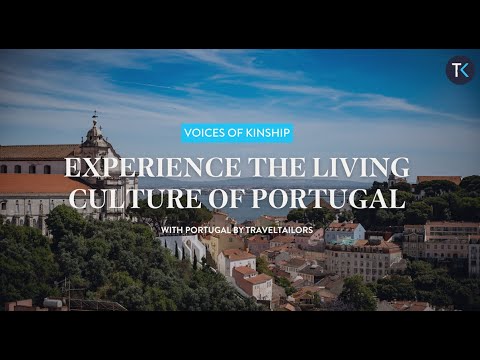
Portugal's Living Traditions with Paula Alves
In this Voices of Kinship episode, Paula Alves of Portugal by TravelTailors shares the story behind her Lisbon based DMC and why Portugal's living traditions sit at the heart of every journey her team designs. She explains how advisors can help clients meet the people behind Portugal's crafts, food and festivals, and go beyond the obvious.
Connect me with Portugal by TravelTailors
Prefer to read? Read the full Voices of Kinship article: Sharing the Living Traditions of Portugal with Paula Alves
What you will learn
Paula's story, from childhood summers in her grandparents' villages in rural northern Portugal to building Portugal by TravelTailors
What defines Portuguese culture, and why so much of it lives outside the big cities
The traditions of the North, including Porto, the Douro Valley and Viana do Castelo
What "touristy" really means, and how to help clients tell the popular apart from the inauthentic
Why working with family run businesses and artisans matters, and why, in her words, "things cost what they need to cost"
Experiences such as grape treading at harvest time, filigree workshops and cooking with local hosts
The regions she would send clients to next, from the Minho and the interior centre to the Alentejo and the islands
Who is speaking
Paula Alves was born in Portugal, raised in the United States and studied at the University of Coimbra. She is interviewed by Kelly Tolliday, Managing Director of Travel Kinship.
Planning Portugal beyond the cities: key questions answered
Where can clients experience traditional Portuguese culture?
Paula Alves believes Portugal's culture lives outside the cities. Lisbon and Porto are modern and cosmopolitan, but in rural areas, especially the north, clients can see cows and wild Garrano horses crossing mountain roads, women baking cornbread the traditional way, goat's cheese made from scratch and granite villages, while the Alentejo has its own whitewashed architecture.
Is Portugal too touristy?
Paula's answer is that almost nothing in Portugal was built for tourists. The Pena Palace in Sintra is busy because it is a centuries old royal palace everyone wants to see. Her advice is to include the icons and then take clients outward, to the Minho in the far north, with its forests, waterfalls, churches and small towns, to the interior of central Portugal and the Dão wine region, and to the Alentejo.
What food and wine experiences can clients enjoy in Portugal?
Life in Portugal happens around the table, so many of Paula's favourite experiences are about food: cooking workshops with local cooks, a cooking class and conversation with a viscount and viscountess in the north, food tours of regional delicacies, and treading grapes during the harvest, usually in August and September. Harvest experiences only take place when the grapes are actually ready, never staged.
When is a good time to see Portugal's festivals?
Most of Portugal's festivals take place in the summer months. In Viana do Castelo in August, women parade in traditional costume wearing their family gold, and teams decorate the streets overnight with coloured salt for the procession of Our Lady of Agony, which ends with fishing boats carrying the statue out to sea. Autumn is Paula's own favourite season in the north, with roasted chestnuts and fires in granite houses.
Why does Portugal by TravelTailors work with small family businesses?
Paula sees it as true sustainability. Many partners are family businesses or one person operations, like an Alentejo maths teacher who makes olive oil the way his grandfather did. Paula's view is that things cost what they need to cost so these crafts can survive, and the close friendships with partners mean the team can call on them, and on small family run hotels, whenever a client needs extra help.
About Portugal by TRAVELTAILORS
Portugal by TravelTailors is a Lisbon based boutique DMC creating tailor made journeys across mainland Portugal, Madeira and the Azores, built on long standing relationships with local artisans, producers and hotels. Travel Kinship represents Portugal by TravelTailors to travel advisors. Discover Portugal by TravelTailors or contact Travel Kinship for an introduction.
Full Transcript
Kelly: Welcome to Voices of Kinship, brought to you by Travel Kinship, a global B2B representation and marketing company connecting travel advisors with some of the world's most unique luxury DMCs. Through these conversations we shine a light on the people behind the journeys: the creators, the storytellers and the visionaries shaping travel today. I'm Kelly Tolliday, and today I'm joined by Paula Alves of Portugal by TravelTailors. Paula and her team design handcrafted itineraries that celebrate the true essence of Portugal: its artistry, crafts, traditions, flavours and, most importantly, its people. From the rolling hills of the Douro Valley to the sun soaked Algarve, she helps travellers uncover a side of Portugal that is deeply authentic and beautifully personal. In today's episode we'll explore Paula's journey as a founder, the stories that have inspired her, and how travel advisors can craft itineraries that honour Portugal's culture from north to south. Thank you so much for joining, Paula.
Paula: Thank you for having me, Kelly. It's a pleasure.
Kelly: For those who haven't had the pleasure of meeting or working with you, can you tell us about your journey and what inspired you to create Portugal by TravelTailors?
Paula: I was born in Portugal but grew up in the United States, and as a child I came back to Portugal every year or every other year on holiday with my family. My grandparents are from the countryside, from small villages in the north of Portugal, not even towns. It was extremely rural. The animals would just walk in the streets and we were free to do whatever we wanted. We washed clothes in outdoor washing pools because there was no washing machine. It was like going back in time, and as a young child I loved it: the picnics in the forest, the festivities in the summer months. I really looked forward to it. I'd go with my grandfather to watch his sheep all morning, and after lunch I'd go with him on his usual walk to the café down the street, where he had his coffee with aguardente, a distilled spirit, a kind of brandy, that's very typical to drink with coffee in Portugal. For me that was genuine fun with the family.
Later I came back to Portugal, went to university and worked in different areas. In 2009 a friend from university decided to change her life and open a travel agency, TravelTailors, and since I was at a moment of changing career, I thought, OK, this could be interesting, let's see how it works out. When we started TravelTailors, we registered the brand Portugal by TravelTailors, always planning to sell Portugal to travellers from abroad, because that was my focus. I already had two young children, and I'd travel around Portugal with them, and even parts of Spain. That was our norm. My focus was Portugal, which was what I knew, and she had travelled the world, which was what she knew, so we decided it was a great marriage. We'd have both brands and bring as many travellers as possible from outside Portugal to really get to know what I enjoyed most about the country. That's how it began.
Kelly: I love that your childhood inspired you, especially because so many travellers from the US are looking for that traditional, cultural side that Portugal can offer. You take the simplicity and beauty of where you grew up and weave it into your itineraries, and Portugal by TravelTailors is known for weaving the cultural and human side of Portugal into every trip. Portugal has such a rich mix of traditions, artistry, crafts and flavours. How would you describe Portuguese culture to someone who has never been, and how do you help advisors explain what their clients have to look forward to?
Paula: The culture of Portugal is really based on tradition, so it has a lot to do with getting outside the cities and understanding rural life. In the cities you see a very modern, cosmopolitan country. It has nothing to do with the Portugal I knew growing up, when no one even knew where Portugal was, and some people thought it was part of Spain. In Lisbon and Porto we don't see the things I saw growing up, and we never did. There aren't cows roaming the streets there.
But go to the north of Portugal, and my love for the north is huge because that's where I was born and where my family is. I was there this summer, driving through a national park, and after lunch cows were literally crossing the road in front of us, and the Garrano horses native to the area were roaming the roads and heading into the mountains and forests. That's the special touch that creates the difference, rather than just seeing a beautiful city with tremendous monuments, history and tradition, which we have all over the country, of course.
In these rural areas you'll find the elderly lady who still wears black because her husband has passed away and she wants to continue the tradition, another lady who still makes cornbread the traditional way, or someone who milks their own goats to make goat's cheese from scratch. You find all of this in the more rural places, along with many other activities. And you see it in the way the houses are built: granite stone houses up in the north, and further south, in the Alentejo, a different, very traditional style, with whitewashed houses becoming more common. These different aspects and landscapes across the country make it feel genuine to people discovering it for the first time.
Kelly: Could you share a few experiences you've designed, thanks to relationships built over many years, that really reflect the soul of Portugal?
Paula: The ones that reflect it most are probably related to food and to winemaking. They make everyone happy, because everyone loves to eat. Being around the table, with family and friends, is a big part of Portuguese culture. That's where we meet. In summer it's snails and beer. In winter it's chestnuts on the fire with a coffee or some wine. All of this around food makes people feel cosy and comfortable.
We love to do cooking workshops with chefs we work with, and I mean ordinary people who have grown up in the food world, immersed themselves in traditional Portuguese dishes and culture and created their own take on them. They love showing this to clients. We also work with a viscount and viscountess in the north of Portugal who do cooking workshops too. The interesting thing is the conversation with people who have so many stories to tell, a fascinating family history and life, which they love to share with clients. Combine that with making a traditional dish that clients can take home and even repeat themselves, and it's pure joy, because it mixes all the best things together.
Then there's winemaking. If you can press grapes with your feet, it's tremendous fun, and people love it. Of course it's very limited in time, because it only happens during the harvest, mainly August and September. As it's been getting warmer, it tends to start earlier, so it's not just September. The timing is never exact, but it's always around then, when the grapes are ready, and that's when you can enjoy the real experience. We don't do make believes, so we never do it at any other time. And we have many other food experiences, whether cooking with someone or taking a food tour in a town or city to enjoy the local delicacies of each region, savoury or sweet, from north to south.
Kelly: Now I'm hungry. Many of the people who help you create these experiences aren't big businesses. They're people who became passionate and created something for themselves, some of them a one woman operation in the middle of the Douro Valley. How does building these relationships, and paying this level of attention to detail, make a difference for you as a DMC and for the traveller, compared with a big business or something you could easily find on Google?
Paula: This is true sustainability: working with families, family owned businesses, or single person businesses, like a young man we work with in the Alentejo who produces olive oil. He makes it the way his grandfather did, and he has a 2,000 year old olive tree in the yard. He doesn't use that one for his oil, but he uses the rest of the grove, and he does it purely for passion. He's a maths teacher. When you meet these people and understand that they do it for passion, it's like me. I don't feel like I go to work every day. It's exciting. I love making people happy and creating itineraries that are dream holidays, memories that last a lifetime. The people we work with are exactly the same, just in their own art or activity. They love what they do.
We have a relationship with them where we understand what they do and respect every aspect of it. Sometimes people say it's a little expensive. Things cost what they need to cost for them to function and to be done properly, and that's what we want for our partners on the ground: to be able to offer something that makes sense and gives them a livelihood, or a little extra, or simply keeps the tradition from dying out. The maths teacher earns his living from teaching, but he doesn't want that pure olive oil, as we now call it, with prices going through the roof, to disappear the way he remembers it from his childhood. That's his memory and his dream, just as mine is my childhood summers. We build these relationships with small family run hotels too.
We establish a friendship, because our business is all about human relationships. We have to click, to have that chemistry, to work with someone. The same goes for the advisors who want to work with Portugal by TravelTailors. They need to click with us and feel that we understand them and give them what they're looking for. When that happens, the relationship builds, and we know we can always count on that partner. If something happens with a client, I, or anyone on our team, can call the commercial director at a hotel and say, listen, I need your help, and they will help. It's the same with every activity partner. We want to support these small companies and families so they keep growing and offer the very best of Portugal, because we want people not only to have an amazing experience, but to tell the world, their friends and family, that they loved Portugal and everyone should go.
Kelly: What I love is that these experiences aren't mass produced. There's an intimacy, which today is the ultimate luxury: a one to one interaction rather than a coach of 80 people, with real education and enjoyment. It all ladders up to sustainability. The olive oil producer doesn't need 40 tours a day to keep going, because you're talking with him about what he needs and how and when he wants to offer them. Sustainability has to be people centric, coming from what local people want and need. You mentioned that Lisbon and Porto are the two cities most people visit, and you've talked about the north and the Alentejo. When advisors come to you with requests for Portugal, what do you encourage them to emphasise more? Are there areas or villages you'd love more advisors to know about?
Paula: Definitely. A few years ago I ran a fam trip focused only on the north of Portugal, the Minho region, the northern province just above Porto. The north has the highest number of churches and temples in the whole country, and they're gorgeous to visit, yet most people have no idea. It has an amazing national park, and driving through the mountains it's like a magic forest. Nobody imagined, wow, this is Portugal, because they're used to seeing Porto and Lisbon, which are beautiful of course, then the coast and the Douro Valley. No one imagines this dense forest with waterfalls right there, and these lovely small towns that hardly anyone visits because people don't know about them and they're not on the tourist checklist.
Everyone worries about places becoming touristy, but what does that actually mean? That there are too many tourists, or that something was made for tourists? There's nothing in Portugal that was really made for tourists. People go to the Pena Palace in Sintra. It wasn't built for tourists. It's a centuries old palace that grew over time as different kings added to it, an eclectic piece of architecture and a UNESCO World Heritage Site. It's gorgeous, everyone wants to see it, and it's full of tourists. So if that's the definition of touristy, it's happening, and it's happening all over the world, because we all want to see the world, and everyone has a right to. There will always be a lot of visitors in the better known parts of any country, especially the cities.
We want people to go outside the cities. So many high end properties are opening all over the country outside the cities, including in the interior of central Portugal, away from the coast. There's a beautiful hotel there in a lovely little town, a really immersive stay, in the Dão wine region, which is delicious too. Then there's the Alentejo, which is becoming more popular but still has a long way to go. We really want people to go off the beaten track and feel they're truly on holiday.
Advisors ask us this a lot at sales calls and travel shows: where can we go that's out of the box, and what experiences do you have that are unknown? Everybody wants things that can't be found online, but soon everything will be online, so that's going to become difficult. What we want to promote is this: forget the online. Think, I want to understand this country and what it's really about. That means getting away from the hustle and bustle and noise of the cities, for a while at least, and enjoying the luxury of time: immersing yourself in a place and giving yourself time, which is the true luxury, in an area nobody's talking about, walking around a little town, seeing how people really live there, enjoying the local food, maybe trying activities that are different from home, and understanding what the country is all about that way.
Kelly: So true. Travellers don't know what they don't know, and as more people work with advisors and value their expertise, it's even more important for advisors to work with trusted partners like you, because advisors don't know what they don't know either. I've just added a lot of places to my bucket list. Time and space are the new luxury: having room to breathe instead of crowds. I think we'll see in travel what we saw during the pandemic, when many people left cities for rural areas, with travellers looking for quieter, softer places to land so it really is a holiday. On a personal level, which part of Portugal holds the most meaning for you?
Paula: I'm repeating myself, because it's definitely the north. There's so much there. My favourite season is autumn, and I like the cold, and it's usually colder up north. So it's that cosy feeling of a granite house with a fireplace, oven baked cornbread, a warm tea or coffee, and roasted chestnuts in the autumn. Those cosy things tickle your soul. Then there are so many unique artisanal crafts in the north, like filigree. You can have a workshop where you watch the artisan create the pieces or make one yourself. These earrings I'm wearing are filigree, and this heart is a traditional design from the north, from Viana do Castelo, where my parents now live. It's a city, but it feels like a town because it's so small. It's where we went to live when we came back from the United States, and then I went straight to the university in Coimbra, which is also fabulous. I absolutely love Coimbra. Imagine going to a university that dates back to the 1200s.
In the north there are many other traditions too, like the beautiful folk costume worn at a festival every August. The women dress up and parade through the streets in these outfits, with all the family gold, the family heirlooms, displayed on their chests. It's a sight to see. Then they spend an entire night decorating the streets with coloured salt so the procession can walk over them. Every street has its own team of around 20 people, and they take it very seriously. They decorate all night, wanting theirs to be the most beautiful, all for the procession of Our Lady of Agony. They carry the statue all the way to the river, and then the fishing boats take the statue out to sea. It's an absolutely beautiful festival. Similar festivals happen in many other parts of Portugal, with flowers and many different saints, mostly during the summer months, so it's an exciting time to come. Again, that's what I loved when I was young, with all the festival food. It's just great joy.
Kelly: You've mentioned the traditions, culture, crafts, experiences and now the festivals. For those listening who want to dive deeper into the experiences your clients can have, I'll link Paula's webinar on traditions and experiences in the show notes. Finally, Paula, what do you see for the future of tourism in Portugal? What should advisors know?
Paula: We've talked about getting away from the cities, and I think that will definitely happen. It's very common on a second or third visit to Portugal, and we already have clients who return. And we mustn't forget our islands. As well as mainland Portugal, there are the Azores and Madeira, so there's so much to see, and people can easily come back to explore different regions.
Another thing I think may be happening more generally, not just in Portugal, is that people want a private stay rather than a hotel. It happens more with multigenerational families, but even with couples or smaller families: the feeling of a hotel stay, but in a private home in a small village, with all the amenities of a hotel, while feeling at home and exploring less known areas. It already happens with villa stays, but I'm thinking more of immersive stays in smaller towns, with hotel service, so people can experience things on a more intimate, private level. I think that's the way premium luxury tourism will grow in the future.
Kelly: I love that. Everything we've talked about wraps up in that, and it's amazing that it's available in Portugal and that you have the relationships to make it happen. If anyone listening would like to work with Portugal by TravelTailors, feel free to reach out to us at Travel Kinship. You can email me directly at kelly@travelkinship.com. And if advisors would like to contact you, Paula, what's the best way?
Paula: They should write to our general team email, which everyone on the team has access to. I'm always in touch with everything the team is doing, so I'm aware of everything and can always reach out to help an advisor with whatever is needed.
Kelly: Amazing. Thank you so much.
Paula: Thank you. It was a pleasure.
-
 • 11/12/25
Portugal Through Its Traditions
In this webinar, Paula Alves of Portugal by TravelTailors takes travel advisors on a north to south journey through Portugal, built around its traditions, craftsmanship and cultural heritage. From Porto and the Minho to the Alentejo, the Algarve and Lisbon, she shows a side of the country that goes well beyond the postcard.
Connect me with Portugal by TravelTailors
What you will learn
Embroidery workshops in the Minho, where guests learn the art of the traditional love handkerchief
Filigree jewellery making with master artisans
Port wine painting classes and food experiences in the Douro Valley
Carpet weaving and Cante Alentejano, the UNESCO recognised singing tradition of the Alentejo
Copper pot making and coastal cuisine in the Algarve
Fado and tile painting experiences in Lisbon
Paula's favourite boutique hotels, including Vila Foz in Porto, Six Senses Douro Valley, São Lourenço do Barrocal and Palácio Ludovice
Planning Portugal: key questions answered
What traditional experiences can clients enjoy in northern Portugal?
Paula suggests starting in Porto with the north's crafts. Guests can join an embroidery workshop to learn the love handkerchief tradition, where young women stitched poems for the man they hoped to marry, hike through granite and slate villages about 30 minutes from Porto, and spend time with a filigree artisan learning how the intricate jewellery is made.
How many nights does a Porto to Lisbon traditions itinerary need?
Paula recommends a minimum of 10 nights, ideally 12, with at least two nights in each region across Porto, the Douro Valley, the Alentejo, the Algarve and Lisbon. The Douro to Alentejo drive is about five hours, so the team may suggest a night along the way, for example at Valverde Santar.
What makes the Alentejo special for culture-loving travellers?
The Alentejo offers carpet weaving on traditional looms, dinners with Cante Alentejano, the a cappella farmers' song recognised by UNESCO, and the ancient craft of amphora wine. Paula's favourite stays here are São Lourenço do Barrocal, a former working farm near Monsaraz, and Torre de Palma, a family estate beside Roman ruins.
Is the Algarve only about beaches?
No. Clients can watch a coppersmith make cataplana pots and then cook the Algarve's cataplana fish stew in a workshop, visit an oyster farm by boat around the Ria Formosa, Culatra and Armona sandbanks, and hike or take a jeep tour in the hills. Bela Vista Hotel makes a central base.
Which Lisbon experiences bring the city's traditions to life?
Paula suggests a fado dinner or a walk with a fado singer, a tile painting workshop with a visit to the Tile Museum, and a private tram ride with a guide, finished with a pastel de nata. Her Lisbon hotel picks are Palácio Ludovice and the Bairro Alto Hotel.
Questions advisors asked Paula
Is the Portugal by TravelTailors team based in Portugal?
Yes. The team works from an office five minutes from Lisbon airport, so they can meet VIP clients on arrival. Every trip has a WhatsApp group linking the advisor, the team and the clients.
Can I book experiences and services only, without hotels?
Yes, ideally agreed at the start. Paula notes that booking hotels through the team often works out better because of their hotel partnerships and amenities, and hotels are always told who the agent is.
Can you add the Azores or Madeira to a mainland trip?
Yes. The team works with hotels, guides and drivers on the islands, so one itinerary can cover mainland Portugal, the Azores and Madeira.
Can you arrange a short stay of two or three nights?
Yes. There is no minimum spend per day. The team doesn't usually book a single transfer or one night on its own, but short city stays with activities work well, including as add ons to cruises ending in Lisbon or Porto.
What should advisors know about Comporta?
Comporta is about an hour and 20 minutes from Lisbon, by road or via the Setúbal ferry. Sublime Comporta is one of the most popular properties, and many hotels marketed as Comporta are further south towards Melides. Catamaran trips can stop at deserted sandbanks near Tróia.
Do you give a cost breakdown, and how do markup and commission work?
Paula prefers to break costs down by day, and shows very special experiences priced separately. Pricing is net and in euros. The advisor sets the gross, the team charges the client the gross by payment link or bank transfer, and the advisor invoices for their commission afterwards.
About Portugal by TravelTailors
Portugal by TravelTailors is a Lisbon based boutique DMC creating tailor made journeys across mainland Portugal, Madeira and the Azores, built on long standing relationships with local artisans, producers and hotels. Travel Kinship represents Portugal by TravelTailors to travel advisors. Discover Portugal by TravelTailors or contact Travel Kinship for an introduction.
Full Transcript
Becky: Thank you so much for joining us for this Portugal by TravelTailors webinar, and for taking time out of your busy day. Paula is going to do the whole presentation and then we'll do Q&A at the end, so do put your questions in the chat or the Q&A box as we go. We'll also send you a copy of the presentation and a link to the recording afterwards, so you don't have to take notes, and you can share it with whoever you like in your teams. So without further ado, I'd like to introduce you to the fabulous Paula Alves, founder and owner of Portugal by TravelTailors, a wonderful boutique luxury DMC in Portugal, also operating in Madeira and the Azores. Paula, over to you.
Paula: Thank you, Becky, and hello, everyone. Thank you for taking the time to join me. We're going to go through a really lovely itinerary in Portugal based on traditions, artisanal and otherwise, with some fun experiences and absolutely beautiful properties. This is looking at Portugal a little beyond the postcard and beyond the most visited areas. We're covering handcrafts, cultural heritage, astronomy, wine, music, nature and hospitality.
From our side, Portugal by TravelTailors is a DMC that gives you a very dedicated and creative team with deep knowledge of local traditions and of the diverse regions of the country, mainland and islands. Please always consider Portugal as a whole. We have access to authentic experiences and we will be your eyes and ears on the ground.
Why does this matter to me? Portugal's traditions take me back to my childhood and my summers in Portugal. I grew up in the United States, so I would come to Portugal in the summer almost every year or every two years. Those are some of my best memories, and this is what's close to my heart and what makes me want to sell Portugal in the best way possible to the partners we work with.
This itinerary starts in Porto and ends in Lisbon. If your clients can do this, it's always the best way, because they don't have to go back to the same starting point and they cover more ground. They can do it the other way round too, it makes no difference, but we like to go from north to south. In Porto you have a vibrant city with strong traditions. Then the Douro Valley, with beautiful scenery, amazing landscapes and the river. In the Alentejo, a little below the centre of the country, you have beautiful plains, warm family estates and a cosy feeling. In the Algarve you have beautiful beaches, but not only beaches, with lovely traditions you'll see in a moment. And then you finish in Lisbon, one of the most beautiful and vibrant capitals in Europe.
Starting in the north, this experience is embroidery on these beautiful little handkerchiefs. They were made many years ago by young women who didn't have much schooling, so the love poems they embroidered often had grammatical or spelling errors, and they are still made that way today to keep the tradition. This one was made by my aunt and given to clients as a gift. She added their initials and the date of a special event they were celebrating. The tradition was that a young woman would make one of these handkerchiefs and give it, or have someone give it, to the young man she liked. If he felt the same, he would show it off on his shoulders or in his pocket. When we told our client this story and gave him the handkerchief, he put it on his shoulders, which was very sweet. We can make different sizes, and they make beautiful welcome gifts for a special occasion, as well as a traditional workshop where clients learn how to make one.
Very close to Porto, clients can hike through beautiful villages. This is a lovely granite and slate village about 30 minutes from Porto, a truly authentic experience and really what clients are looking for when they want something unique and to feel they went somewhere completely different. There are many of these little villages, and clients can discover them on foot.
Then there's filigree, a Portuguese tradition. Your clients can have a workshop with an artisan and learn how to make a small piece, and they'll value this art differently afterwards. It is very detailed and very intricate. The heart I'm wearing is the same one in the picture, and these are very difficult pieces to make. Clients can make a piece themselves or just watch how this beautiful art is done.
In Porto, the hotel I mentioned at the beginning, Vila Foz Hotel & Spa, is one of our very favourites. It's a beautiful manor house, very authentic, and the new building added to the hotel is also beautiful, with gorgeous ocean facing rooms. Your clients will kick off their trip in the perfect way, because Portugal is all about the ocean. You have a gorgeous view, it's very relaxing, and you don't feel you're in an overpowering city. You feel relaxed, you feel on holiday, and there's a great Michelin restaurant on the property. If clients want to be in the city centre, Vila Foz is only a 15 minute drive, but they can always choose other options. We love the Torel properties. There are several Torel hotels in the centre of Porto, and the one we chose to show here is Torel 1884. It's very central and very boutique, with only 11 rooms, and clients will feel special and well taken care of, within walking distance of everything.
Now we go to the Douro Valley. The first experience we suggest is port wine painting. Yes, you can paint with port wine. This painting was done by me at a workshop with an artist. You're in a beautiful setting with vineyards all around, a relaxing spot in the Douro Valley, sipping port and painting with the different colours of port wine: ruby, tawny, white. It's a lovely experience, and clients take home something they can frame to remember their time in the Douro.
Cruising on the Douro isn't artisanal like what we've been talking about, but it's one of the most authentic experiences in the valley, on a sailing boat, a vintage boat or even a rabelo boat. In that sense it is traditional, because the rabelo boats carried the port wine down to Porto to be stored, sold and exported. Clients can add a winery visit, a great lunch, and a tasting of Douro table wines and port.
We do gastronomy experiences all over the country. In the Douro we work with some chefs, one of them a viscountess, and clients can enjoy the traditional Portuguese kitchen with the wood oven and the iron pots. They make cabbage soup and bolas, bread stuffed with different fillings like chicken, sardines, or ham and cheese, and then enjoy a full dinner once it's done.
In the Douro Valley we would suggest, for example, Quinta de São José do Barrilário. It's a very new property and the location is superb. You feel immersed in the valley, with vineyards all around. All the rooms look over the vineyards and some have a bit of a river view, and there's a lovely spa and a beautiful little chapel. Clients can relax, have a picnic in the vineyards, and really immerse themselves in the location. And I'm sure you all know Six Senses very well. Six Senses Douro Valley is an amazing property with great service and a beautiful historic garden, in a superb location in the centre of the valley. You definitely can't go wrong.
Now we come down to the Alentejo. Please keep in mind that from the Douro Valley to the Alentejo is about a five hour drive. Your clients have to be comfortable with that, or consider a night along the way. We can always add that in central Portugal, where there's a beautiful property, Valverde Santar. We will always take all of this into account and discuss with you whether it makes sense to do such a long drive, stop for a night, or simply stop to visit somewhere different on the way.
In the Alentejo, one of the most beautiful experiences is carpet weaving. Clients learn about the wool process and the loom, try to make something, and understand all the artisanal work behind it. Another lovely experience is Cante Alentejano. It's UNESCO Intangible Heritage, a song typically sung by the farmers of the Alentejo, a cappella, and very unique. You really have to hear it to understand it.
We had an amazing experience with this dinner and Cante Alentejano. During the blackout this year, which I'm sure you heard about, across Portugal, Spain and France, we couldn't speak to anyone. We had clients with this experience planned that evening, and no one could reach the restaurant or the clients. We found out the next morning that the clients had the most wonderful experience of their lives. The team at the restaurant decided to light their wood oven, prepare the dinner, and go and get the farmers, telling them, we don't know if the clients will show up, but we have to be ready. The restaurant is a beautiful underground space with arched stone ceilings, and they filled it with probably 50 candles. The clients were there by themselves, having an amazing dinner and listening to the Cante Alentejano, and it was one of the most memorable experiences of their trip. It goes to show that the Portuguese are truly hospitable and go out of their way to make sure everything happens the way it's supposed to.
Also in the Alentejo is the craft of amphora wine. The amphora is the vessel you see in these pictures, and the ones used to make wine are very large. It's a lovely, very traditional experience. Clients understand the whole process and then taste this different style of wine. If your clients love wine and gastronomy, they can taste their way from north to south and discover all these genuine styles and flavours, which really enriches the whole experience of Portugal.
In the Alentejo, one of my favourite properties in all of Portugal is São Lourenço do Barrocal. It's extremely beautiful. It was a working farm for many, many years and it's a family estate, and it's very large, so you almost feel you're in a destination all by itself. The scenery is beautiful, with the town of Monsaraz on the hill a little way off. They have horses, so clients can go riding, there's an amazing restaurant, and they're very sustainable, producing their own meat, wine, honey and olive oil. Staying in bedrooms that were once the farmers' rooms is pretty amazing. Another lovely Alentejo property is Torre de Palma, family owned and also very sustainable, and excellent wine producers. It's a beautiful estate with Roman ruins just to the side, which is very unique for clients to discover, and they also have horses.
Coming down to the Algarve, it's not all about the beach. The Algarve has many wonderful activities, and one of them is in a small town a little inland from the ocean, where clients can see different artisanal work. This coppersmith we met had retired and has started again, teaching young artisans the art of making these pots. They're cataplanas, used for a very specific Algarve dish, a kind of fish stew, very delicious. Clients can see how they're made, see other artisanal work, visit a pastry shop with one of our best guides in the Algarve, and then have a cooking workshop to learn how to make the cataplana. It all connects, and they enjoy delicious meals they can recreate at home. The cataplana comes a little from the idea of the Moroccan tagine. Please keep in mind that we have a great deal of Moroccan influence, especially in the south of Portugal.
And of course, oyster experiences, which are very traditional in the Algarve. Many of our oysters are sold to France. Your clients can visit a lovely oyster farm and enjoy a boat ride, stopping at some of the beautiful sandbanks along the coast. This is the true Algarve experience, around Culatra, the Ria Formosa and Armona, very, very beautiful. There are also lots of hiking options by the ocean or in the hills, and even jeep tours in the Algarve hills. So again, not all about the beach, and it can all be combined.
In the Algarve we really love Bela Vista Hotel. I'll be honest, it's not in our favourite part of the Algarve, but it's an absolutely gorgeous property in the centre of the region, so it's very easy to visit different areas from there, and clients have a very large beach right in front of the hotel. The hotel also has a fabulous Michelin restaurant. There's also a newer property near Praia Verde, where many locals love to spend their summer holidays. They're still building townhouses and apartments, which will be finished in a couple of years, but many are ready, and it works very well for families.
Coming up to Lisbon, I'm sure many of you have heard of fado. Fado is also UNESCO Intangible Heritage, and it's something you have to feel and experience. Clients can enjoy a fado dinner, or a tour with a fado specialist or a fado singer around the part of Lisbon where fado began. It's a beautiful evening experience, perhaps followed by a restaurant. Then there's tile painting: a workshop to understand how the tiles are made and paint one, or simply paint a tile. You can add a visit to the Tile Museum, or go around the city with a guide to see buildings with different tile styles and understand all the heritage behind them.
Another beautiful Lisbon experience is a private tram. Riding the tram is very traditional in Lisbon, and we can do it privately, even for just a couple. They take their guide with them along the tram route and learn about all the areas it passes, a different style of guided tour. We can finish with a pastel de nata and a cherry liqueur in a chocolate cup, which is very delicious.
In Lisbon, one of the properties we love is Palácio Ludovice, absolutely beautiful and very well located, just across from one of the most beautiful viewpoints in the city, with the castle on the opposite hill. Another lovely property, very close to it, is the Bairro Alto Hotel. Both are very boutique, with great restaurants and great locations for clients to explore the city.
Having covered the itinerary, here's very quickly how we work, and if any of you want a fuller explanation, let us know and we can have a private virtual call. If you allow us, we'll always have a personal first contact with you. We plan a virtual call and discuss what your clients are looking for. We do up to three revisions of the itinerary, and if we create a fourth, we ask for a commitment to move forward. We only work with four and five star properties. We do handle self drives, and we don't necessarily have a minimum spend per day. Things have to be logical, so the client's budget has to make sense with what they're looking for and when they're travelling. We also have the option of a consulting fee if your clients are on a lower budget and want someone to look after their itinerary and give them ideas, instead of a full itinerary.
Here you have our very dedicated team. Please always send requests to our general Portugal email. I have access to all of the emails, I'm aware of what's going on, and I deal directly with the team. You also have our website, LinkedIn and Instagram, so just let us know whatever you need. There are many other experiences too, like picnics, embroidery, bread making, weaving and beautiful dinners, so many options to delight your clients and help you sell Portugal even better. Now I'll pass back to Becky to see if we have any questions.
Becky: Thank you so much, Paula. It just makes me want to come back again and again. A quick question from me first: what's the minimum number of days people would need to do this itinerary?
Paula: This itinerary covers five regions, so I would say a minimum of 10 nights, with at least two nights in each place, and ideally one more at the beginning or end because of driving distances. Depending on flight times, the minimum would be 10 and ideally 12. And of course you can tailor shorter or longer trips.
Becky: An advisor asks, is everyone in your team based in Portugal?
Paula: Yes. I'm sitting in my office right now. We have an actual bricks and mortar office, and the team comes in three times a week and works from home twice a week. We're literally five minutes from the airport, so for very VIP clients our team is ready to meet them there in person. We've had very important people arrive on a private jet and we've met them personally. We can even take a welcome gift to the airport, and we've taken birthday cakes directly to clients' hotel rooms. So you tell us what you need and we'll give you what you need. If your client doesn't need so much hand holding, our drivers pick them up and make sure everything is fine, and we always set up a WhatsApp group so you, us and the clients are all working together.
Becky: Another question: do you do just experiences?
Paula: It's always best to have everything done by us so you don't have to worry. This goes back to why you use a DMC. If you're selling the world to your clients, you want peace of mind, at least in the countries where you trust who you're working with. We're going to be honest with you, we'll always look after your client's best interest, and we'll tell you what's going on. So in a country where you have the right DMC, you don't want to worry, you want your DMC to do everything. But to answer directly, yes, we can do just the experiences if you need to book the hotels yourself. If it's a price question, we can look at it together and see if it makes sense for you to take that on, because we get you amenities and have great partnerships with the hotels, and it often ends up better to let us take care of it. The hotels will know the booking comes from you, because we tell them who the agent is, not just who the clients are. We know how the wheel is supposed to work and we want to keep it working that way.
Becky: An advisor asks about the Azores. Could you handle a post tour there?
Paula: Oh yes, of course. Keep in mind that the Azores are in the middle of the Atlantic and there are nine islands. If you work with someone based in the Azores, they're going to be on one island, not all nine, and in an emergency it can be quicker to reach the islands from Lisbon or Porto than from another island. We work with hotels, guides, drivers and many other experiences on the islands, and the same for Madeira. So you can do a full itinerary covering mainland Portugal, the Azores and Madeira. If your clients have a month, that could be amazing.
Becky: Another advisor asked whether they can request the services only, without the hotels. I think we've answered that one.
Paula: Yes, that's possible. Ideally tell us at the beginning that that's what you're looking for, and we'll do that for you.
Becky: That's a good question. Were the net rates quoted per person, or for two people together?
Paula: For two people, and thank you for bringing that up. It's for a couple, and I'll make that clearer. The important part is that we work in euros, so we'll give you pricing in euros, and we'll tell you the net. If you want to show a gross price to your clients, you tell us what you want to add, a percentage or an absolute amount. It's your choice, not ours. We'll suggest what it could be, but we'll always do what you and your clients want.
Becky: An advisor is going to be in the Algarve and is asking whether you can do a smaller two day trip.
Paula: Yes, you can do two days or 10 days. As I said, there's no minimum spend per day. What we normally don't do is just a transfer or a single night's reservation. But two nights with activities and transfers, yes, of course, and that can be an add on to a cruise. We quite often have clients whose cruise ends in Lisbon or Porto and who want to add two, three or four nights in the city with activities. Whatever you need, contact us and we'll help.
Becky: An advisor asks about the Comporta area. I'd also like to take this opportunity to let everyone know that on our YouTube channel there are five webinars Paula did on five different areas of Portugal. This webinar has been highlights, and Portugal has so much to offer that it's definitely a country clients can come back to again and again and go deeper each time. But specifically, Comporta?
Paula: Comporta is a lovely area that is growing. It's about an hour and 20 minutes from Lisbon. You can get there by going to Setúbal and taking the ferry, or by driving round on the motorway. One of the most popular properties is Sublime Comporta, which is lovely, and many new ones are popping up. A lot of properties say Comporta but are further south, closer to Melides, another area of the Alentejo coast, a tiny little town but adorable. So there are several areas to consider. I love Comporta beach. It's one of the most beautiful beaches in Portugal, in my honest opinion. In the Comporta and Tróia area there are also deserted sandbanks where clients can stop on a lovely cruise. We did this in late September, an amazing, gorgeous day, and we stopped on a sandbank and were followed by dolphins all the way. If you follow us on Instagram, you can still see the videos of the dolphins following the catamaran.
Becky: Fabulous. Some more practical questions. An advisor asks, do you provide a breakdown of costs?
Paula: We love to provide the breakdown by day, and we can do this for you. We normally give the hotels and the land arrangements as a total. If you need it broken down, by day is always best, because a day's experience is usually made up of a guide, a driver and some entrance tickets, and those parts don't work without each other, so it's easier to look at the full day. We'll also always be careful to show you separately anything very unique and expensive that you ask for. One of the pictures at the end of the presentation is a beautiful table setting in a little castle on the beach, not far from Lisbon, where we've done a private dinner with a Michelin chef, for one couple and for two couples, completely private. They had an opera singer come in, and a guide with tremendous historical knowledge of the Knights Templar. It was a unique moment for those clients, and that kind of experience has to be priced on its own. Another example is a boat transfer from Porto to Six Senses or another property in the Douro Valley. We'll always tell you specifically what that costs.
Becky: I think it's about having that open conversation about budget, and what the clients are most interested in and happy to spend money on. That's where the loyalty and trust come in as well. A couple of people have asked if you take credit cards.
Paula: Of course. We send you a payment link. We don't take the card details ourselves; you or your clients enter them. If something isn't working, we talk and figure it out, and it's always worked perfectly well. We can also take a bank transfer.
Becky: An advisor asked about creating a programme, so we'll get in touch with you directly about that. Another asks, can you include a markup with the credit card?
Paula: Of course, yes. We tell you the net, so you know the actual cost of the trip, and you decide what you want the gross to be for your clients. You tell us, we charge the gross, and then we pay you your commission afterwards against an invoice from you. That's all part of how we work, and these are details we can always discuss when we start working together.
Becky: I think what's great is that when a new advisor gets in touch, you're very open to having a conversation about how they want to work, because everybody works slightly differently. It's great to have that conversation on the first enquiry, so both you and the buyer know exactly how things work and there's that feeling of trust. One advisor says she's on a six week self guided fam in Portugal from February to April and would love to meet you, so we'll get that set up.
Paula: Of course. Just let me know when you're around Lisbon and you can come to our office, meet the team and see that everything is real. I know how important that is. You're sending your clients' money overseas, and you want to be sure this is a real office with real people, doing all the work and knowing all our partners on the ground. We want to share Portugal in the best way possible, make you look like stars to your clients, and have your clients, and their friends and family, come back to you.
Becky: Absolutely. And on that note, Paula organises fam trips during the year, so look out for emails from Travel Kinship and from Portugal by TravelTailors about fam trip opportunities. If you haven't been to Portugal, let us know, because the best way to sell the country is to understand it, get to know the team and how they operate, and understand all the logistics. We'll be in touch with a copy of the slides and the recording, and you'll have Paula's email and mine, so if you think of a question afterwards, just email us. Thank you so much for your time as always, Paula.
Paula: Thank you, and I know this is just tea, but cheers, everyone. Thank you for joining, and we look forward to being in touch.
-
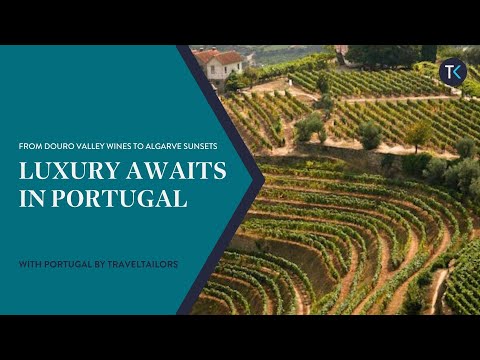 • 4/23/25
A 14 Day Luxury Itinerary for Portugal
In this short webinar, Paula Alves of Portugal by TravelTailors presents a luxury 14 night itinerary across Portugal for travel advisors and their high end clients. It travels from Porto and the Douro Valley through the Alentejo and the Algarve to Lisbon, pairing each stop with outstanding places to stay and memorable experiences.
Connect me with Portugal by TravelTailors
What you will learn
How to structure two weeks in Portugal from north to south
Porto and the Douro Valley, with wine tastings and riverside stays
The Alentejo, its countryside and its cultural immersion
The Algarve coast
Comporta and Setúbal, with dolphins, beach horse riding and a helicopter view of Sintra
Lisbon to finish, with gourmet dining and culture
How each destination is paired with the right hotel and experiences
Planning Portugal: key questions answered
How should advisors structure two weeks in Portugal?
Paula plans 14 nights from north to south, starting in Porto and finishing in Lisbon, with about two nights at each of seven stops: Porto, the Douro Valley, the Alentejo, the Algarve, the Comporta and Setúbal area, and Lisbon. She suggests treating it as a puzzle, mixing and matching areas if clients can't do them all.
When is the best time to visit the Douro Valley?
The wine harvest runs roughly from August to October, depending on the season, and September is usually when something is always happening. Paula also advises leaving free time at Six Senses Douro Valley so clients can enjoy the property itself.
Which Alentejo hotels does Paula recommend?
Her favourite hotel in Portugal is São Lourenço do Barrocal, a family estate where the rooms were once farmers' homes, with Lusitano horses and views of Monsaraz. Torre de Palma, a historic estate near Roman ruins, offers wine blending and horse riding. Both suit hot air ballooning, stargazing and visits to Évora and Marvão.
What can clients do in the Algarve beyond the beach?
Clients can take a private boat or catamaran to deserted sandbanks with a picnic set up, taste oysters, watch for dolphins, and enjoy cataplana, the Algarve's copper pot seafood dish, with a visit to Olhão market. Paula's hotel picks are Bela Vista, on the ocean, and Octant Vila Monte.
What one of a kind experiences can be arranged around Lisbon?
Paula suggests a 30 minute helicopter flight over Pena Palace and Cabo da Roca, a private evening in a hidden Lisbon art gallery with a chef and live music, and a private dinner in a castle like venue in the Estoril area, with an opera singer and port opened with fire tongs.
About Portugal by TravelTailors
Portugal by TravelTailors is a Lisbon based boutique DMC creating tailor made journeys across mainland Portugal, Madeira and the Azores, built on long standing relationships with local artisans, producers and hotels. Travel Kinship represents Portugal by TravelTailors to travel advisors. Discover Portugal by TravelTailors or contact Travel Kinship for an introduction.
Full Transcript
Paula: Hi everyone, I'm Paula Alves from Portugal by TravelTailors, owner of this lovely luxury DMC. We cater to all your travellers' needs throughout Portugal, and I'm going to take you through a really lovely luxury itinerary from north to south that gives you an idea of what can be done in Portugal over a 14 night stay. With about two nights in each place there are seven stops here, and you can look at this as a puzzle and mix and match a few of these areas if your clients can't do it all.
We start in Porto, an amazing city, and finish in Lisbon. In Porto, we feel a great starting point is the Vila Foz Hotel & Spa, because it's on the ocean, and Portugal is all about the ocean. Going back to our history of the Discoveries, we love the sea, we love to discover, and we love having a beautiful sunset right in front of us. This hotel has an amazing sunset, a beautiful historic palace building and a gorgeous Michelin star restaurant, so your clients start off on the best foot. It's outside the city centre, which gives you a holiday feeling. It's not overwhelming. You have the ocean in front of you and you feel you're on an amazing luxury holiday.
When clients prefer to be in the city, Maison Albar Le Monumental Palace is a great choice, a beautiful historic building in the city centre. Clients can walk everywhere and discover Porto at their doorstep. For experiences, there are cooking and gastronomy experiences, including show cooking with a Michelin chef. We can do this with numerous chefs, and we also have other styles of chef who go to the markets with clients, but the most luxurious is show cooking with a Michelin chef.
We also work with gorgeous, very high end yachts from Porto all the way to the Douro Valley. If clients want a long transfer, imagine arriving in Porto from your plane and stepping straight onto a beautiful yacht to go to a hotel in the Douro Valley. It could be Six Senses, or a number of other options. We do love Six Senses. The service is amazing, it's a gorgeous property with a historic garden all around and beautiful vineyards, and clients can simply relax and enjoy the hotel. Keep in mind that when your clients go to Six Senses, it's important to give them time to enjoy the property. It's a large, beautiful property and they want to really feel it and be there, so a free afternoon, a free morning or even a full day on property is a great option.
Another beautiful hotel is Quinta de São José do Barrilário. This gorgeous property sits on top of a hill and you feel completely immersed in the vineyards. I was there a couple of weeks ago and stayed in their most beautiful suite, a corner suite with a gorgeous view, a huge terrace and a bathtub in the room. Sipping wine in the bathtub, looking over the vineyards, what could be better? You really feel you're somewhere unique. There's nowhere else with such a beautiful view of these vineyard terraces across the mountains, so it's truly unique and authentic.
Clients can enjoy a very luxurious Land Rover experience. We do have other, more off road jeeps, but if your clients want something more comfortable and luxurious, we can use this gorgeous vehicle to discover the Douro Valley through the winding hills, visiting wine estates and enjoying lunch and a wine tasting in a room full of barrels of the wine being produced. One of the best times to enjoy this region is September. Really it's between August and October, depending on the season and when the harvest starts and ends, but usually in September something is always happening, and clients can enjoy the full experience of the wine harvest in the Douro Valley.
Now we come down the map to the Alentejo. Honestly, my favourite hotel in all of Portugal is São Lourenço do Barrocal, for many reasons. The property has been in the same family for centuries. It was practically a working farm village. The rooms at the hotel used to be the farmers' homes, so they're very large and beautiful, because each was an entire house for a family who lived there and worked in the fields. The shop and the restaurant used to be the kennel or the school for the children. Everything was done on the property. It's a huge estate that has been extremely well renovated, and it's genuine and true to the traditions of the Alentejo. The clay tile floors were made by hand by artisans. There are two beautiful pools, an amazing vegetable garden and beautiful Lusitano horses. I went riding on the property a couple of weeks ago and it's absolutely gorgeous. From one part of the estate you can see the town of Monsaraz on its hill, and the sunsets are amazing, with a glass of wine. They always do a lovely afternoon tea with local cakes, and breakfast is a gorgeous spread, with such care taken in setting the table for guests. They produce their own cattle, sheep, wine and honey. All of this makes for an amazing stay, and your clients really feel immersed in the Alentejo and in everything that is genuinely Portuguese.
Another very beautiful Alentejo property is Torre de Palma. It's a historic building with a beautiful tower and a chapel right in front of the main building. All the rooms are unique and true to the Alentejo in their decor, with a slightly more modern touch. They have some lovely experiences on property, like wine blending, and very close by are Roman ruins, which is extremely unique. Clients can take a bike or go on horseback, as they also have horses, to discover the ruins. There are many beautiful towns to discover near both properties.
You can go hot air ballooning over the Alentejo, a gorgeous view, and enjoy a lovely sunrise experience. And there's amazing dark sky observation. The Alentejo is one of the most beautiful places on earth to observe the stars, the planets and the moon. If clients have never done this, they really should. It can be done privately at either of these properties or others we work with, or at the observation centres close to São Lourenço do Barrocal. From these areas clients can visit Évora and Marvão, and there are so many beautiful Alentejo towns close to these properties.
Now we head down to the Algarve, the very south of Portugal, where there's a unique property called Bela Vista, right on the ocean in the middle of the Algarve. It's an absolutely gorgeous five star property. Parts of the Algarve are particular, because tourism grew there in the 70s and 80s, and now we're seeing a number of beautiful, very high end hotels opening. This one is exquisite, a little bubble in the Algarve, with the ocean right in front and those gorgeous rock formations everyone loves to see in pictures. You can take a beautiful walk very early in the morning, before everyone arrives at the beach in summer, and see the rock formations meeting the sand. The hotel has an amazing Michelin star restaurant and a beautiful outdoor pool. The decor is very eclectic: the palace building has gorgeous, different rooms, and there are two other buildings, one on each side, with beautiful rooms as well.
Octant Vila Monte is one of our favourite properties in the Algarve. Mind you, they are closing this year for a full renovation, which will be a real plus, and in 2026 they'll reopen fully refurbished and ready for your clients. The property is about 20 minutes from the beach, but it's in a gorgeous part of the Algarve that is much sought after by locals. There are many little sandbanks and deserted islands that can be reached by boat, private or shared. Of course we do this with a private boat to one of the islands, or a catamaran for the whole day, perhaps stopping at one of the deserted sandbanks. There's one with an amazing restaurant on it, the only thing on the island. There are no concessions, no chairs and nothing to buy, so you always have to take a picnic basket, but we can set this up for clients, with their picnic basket, an umbrella and chairs, and they can enjoy a beautiful day, morning or afternoon. Here you can see the catamaran and an oyster tasting. There are oyster farms in the Algarve that are very much worth a visit, so your clients can have an amazing day and maybe see some dolphins. They can also go to the market and enjoy a traditional Algarve dish, cataplana, made in an oval copper pot whose top and bottom are half circles that close together. The food cooks inside, seafood or fish with potatoes and peppers, and the smell and taste are gorgeous. Olhão market, quite close to the Octant property and other Algarve hotels, is a beautiful market in a charming little town.
Now we come up from the Algarve to the Comporta area and one of our favourite properties, Sublime Comporta. It's absolutely beautiful, with numerous villas, rooms and restaurant areas, a gorgeous estate. It's not on the beach, because until now building right on the beach has not been permitted, though new properties are coming closer to the beach. The hotel has a beach shuttle in the summer months and its own beach club, which is a real plus, and clients can visit the lovely little town of Comporta.
We also have Casa Palmela, which isn't in the Comporta area but in Palmela, on the opposite side. Clients can take the ferry from Setúbal to Tróia and then drive to Comporta, which is very quick, about 20 to 25 minutes to Comporta beach, or simply enjoy the Tróia beaches. Another option is a yacht or catamaran. There's a community of dolphins around Setúbal that clients can watch, and there are sandbanks where they can spend the day, maybe with a picnic and some oysters taken on board. They can go horse riding on the property at Casa Palmela, or on the beach at Comporta, which clients absolutely love. It can be private or in a group, but we always do it privately so clients have their own experience. It's one of the most beautiful and longest beaches in Portugal, and honestly it looks like a Caribbean beach. It's gorgeous.
It's also possible to stay at Casa Palmela and take day trips to Lisbon, as it's only 45 minutes from the city, if clients don't want to stay in the city or even go into Sintra. Here we have a very out of the box experience. Instead of visiting Pena Palace inside, why not see it from a helicopter? Clients can view this beautiful UNESCO World Heritage Site from the sky and fly over the westernmost point of mainland Europe, Cabo da Roca, here in Portugal, with gorgeous ocean views along the coast, before finishing their flight. It's about 30 minutes and it really is a unique experience.
In Lisbon we stay at Palácio Ludovice, which we love, in the Chiado and Príncipe Real area. The hotel is right in the middle of these lovely neighbourhoods, with lots of bars and some fabulous restaurants. We really love this unique property. The building was once home to one of the king's architects, so it's really beautiful. Another option is the Bairro Alto Hotel, not far from Palácio Ludovice, with gorgeous river views across to Cristo Rei on the other side. It's really unique, with beautiful rooms, and the restaurant on the top floor terrace has an amazing view. It's a perfect stay for your clients.
We also have a very unique experience, very out of the box: a hidden gallery in Lisbon that isn't easy to find, because it's an apartment transformed into a beautiful art gallery with amazing works by many Portuguese artists. The curator's husband is an artist, and we can have a chef come in and cook for clients. We've had many clients enjoy this. The artist can create a painting or sculpture while the clients are there, and we can bring in a pianist or a violinist. It really is whatever your clients' hearts desire. We cater to what they want, what they need and what they're looking for.
Another beautiful experience we've been doing quite often this year is at a castle like palace building between Lisbon and Cascais, in the Estoril area. It really looks like a castle on the ocean and it's super unique. It's mostly used for weddings and events, but we've been setting it up for couples who want a very special dinner, their own moment in their own castle, with everything brought to them. We'll bring an opera singer, Michelin chefs, or the port wine experience where you open the bottle with fire tongs and cut the glass. There are so many very traditional, very Portuguese experiences that we can bring anywhere, and this is one example. It can be done privately for a wedding proposal or a special birthday. Anything really can be done.
We also have a lot of private villas all over Portugal that we work with. This one is in the Alentejo and another is in the Comporta area. The Alentejo property can be taken over privately, although it also works as a hotel, so with the right number of guests clients can have the whole property to themselves. It's owned by a Michelin chef, who can also cook on the property for clients if they wish.
And that's our luxury itinerary in Portugal, and our team. We're here for your clients, and for you, to help you become an expert on Portugal and sell the destination in the best way possible. So please let us know whatever you need.
-
 • 8/19/21
Exploring the Alentejo & the Algarve
This webinar from Portugal by TravelTailors introduces travel advisors to southern Portugal: the rolling countryside of the Alentejo and the coast of the Algarve. It shows how to build authentic, tailor made journeys across both regions, with engaging experiences and the best places to stay.
Connect me with Portugal by TravelTailors
What you will learn
The Alentejo: open countryside, historic towns, wine and a slower pace
The Algarve, from its coastline to quieter corners away from the resorts
Dolphin watching, beach riding, dark skies and other signature experiences
Experiences and places to stay for luxury clients
How Portugal by TravelTailors creates tailor made trips and supports advisors
Planning the Alentejo and the Algarve: key questions answered
What makes the Alentejo different from the rest of Portugal?
The Alentejo, meaning beyond the Tejo, is one of Portugal's largest regions, with rolling plains of cork oaks and olive trees, Moorish castles and whitewashed hilltop towns. Its coast is protected, with no building right on the beach, so a car or driver is practical. It starts very close to Lisbon.
What signature experiences can clients enjoy on the Alentejo coast?
Paula's favourites include horse riding on Comporta beach in summer or winter, watching the wild dolphins around Setúbal and Tróia, private canyoning near Sesimbra, boat picnics on secluded beaches and sandbanks, and a market visit and cooking session with a chef in Sesimbra.
What is there to do in the Alentejo interior?
Clients can ride Lusitano horses through vineyards, taste Alentejo wine and olive oil, try pottery and cork workshops, go hot air ballooning at sunrise, stargaze under dark skies, explore the Alqueva lake by boat, and visit Évora, its Chapel of Bones, the Almendres Cromlech and the fortified town of Elvas.
Is the Algarve only about beaches?
No. Beyond the Benagil caves and Praia da Rocha, clients can cruise to deserted Ria Formosa sandbanks, float in a salt pan spa, visit oyster farms, cook with a chef after Olhão's Saturday market, explore medieval towns, make marzipan sweets and take jeep tours in the hills.
What can families enjoy in southern Portugal?
Families love the Badoca Safari Park near the Alentejo coast, dolphin watching, beach riding, farm to table visits, watersports on the Alqueva, boat trips into the Algarve's caves, children's cooking workshops, medieval festivals and days spent being a farmer or a sailor.
This recording dates from 2021. Hotels and experiences change, so please contact us for the latest recommendations from the Portugal by TravelTailors team.
About Portugal by TravelTailors
Portugal by TravelTailors is a Lisbon based boutique DMC creating tailor made journeys across mainland Portugal, Madeira and the Azores, built on long standing relationships with local artisans, producers and hotels. Travel Kinship represents Portugal by TravelTailors to travel advisors. Discover Portugal by TravelTailors or contact Travel Kinship for an introduction.
Full Transcript
Paula: Thanks, Becky. Hi everyone. Those of you who joined last week already have a small view of what Portugal by TravelTailors is about and what we offer, and if you missed it you can watch the recording Becky shared or email us for all the information, including on Lisbon and the surrounding areas. Today we're going to the Alentejo and the Algarve.
The Alentejo is one of the largest regions of Portugal. Half of it runs along the ocean coastline and the other half is interior farmland, with rolling hills and beautiful landscapes. The northern Alentejo is a bit more mountainous and greener, while the south is vast plains of cork oaks and olive trees, with herds of sheep and cows grazing. It's very close to Lisbon. Alentejo means beyond the Tejo, the river that comes from Spain, crosses Portugal and meets the Atlantic at Lisbon, so everything beyond that river is the Alentejo. Many town names here start with "Al", which shows the strong Arabic influence, and you see it too in the pottery, the whitewashed houses and the food, much of which came from the Moors. There are many Moorish castles, and you can imagine the battles fought across these lands, which is fascinating for history lovers, and a lot of UNESCO heritage.
As usual we divide the experiences into couples and families, and there's a lot to do for families, couples and groups of friends. Many Alentejo properties also work as wonderful buyouts. The coastline is very well preserved. There aren't many large hotels along the coast, and building right on the beach is mostly not allowed, so it's practical to have a car or a driver.
The Alentejo beaches are absolutely gorgeous. One of the closest to Lisbon is in the Arrábida area, part of a natural park and magnificent, and Vila Nova de Milfontes along the coast is one of the most Instagrammable spots. Something we absolutely love recommending is horse riding on the beach. Comporta beach, about an hour and 15 minutes from Lisbon, seems to go on forever, and you can ride there in summer and winter. These are our own pictures: on the left is my daughter riding in summer, when the water is crystal clear, and on the right are girls riding in winter. Because these beaches have no concessions, riding is allowed, and we can arrange a private ride with a picnic on the beach.
A community of wild dolphins has lived for years around Arrábida, near Setúbal and Tróia. They're protected and looked after by the biologists who work in the area and by the partners we work with on the tours, which are all done with great care and simply to observe the animals, on rubber boats, catamarans or larger yachts. This is my niece on one of these tours.
Canyoning on the natural park coastline is great fun for those who love adrenaline, and we can arrange it privately. One of our client couples wanted something special to celebrate, so they did a private canyoning day with a picnic set up on a secluded beach near Sesimbra. These areas are all very close to Lisbon. There are many secluded beaches that are hard to reach by car but easy by boat, so when the sea allows, the boat gets close, the clients take a lovely picnic with them and enjoy a beach with almost no one else there. There's rock climbing here too.
Picnics can be set up anywhere in the Alentejo, either the traditional style, with a blanket on the ground and picnic baskets of Portuguese products and wine, or a more elegant table outside, served by a chef, with traditional dishes and amazing wine. There are lots of sailing options on yachts or catamarans, with oyster tastings, and we can set up a picnic lunch or snack on board with champagne or wine, privately for a morning, afternoon or full day, jumping into the ocean to swim and stopping at the sandbanks near Comporta.
In Sesimbra, the chef we work with for show cooking and workshops in Lisbon also takes clients to the market. Sesimbra is one of the most popular fishing areas in the country, and its market is fabulous, with fruit, vegetables and fish from local farmers and fishermen. He chooses delicious seafood and cooks it with the clients, so they learn about the seafood and the market and enjoy a great meal afterwards.
The Alentejo is full of gorgeous towns, many built inside the walls of Moorish castles on the hills, with whitewashed buildings and beautifully kept flowers. In Vila Viçosa there's the Ducal Palace, now a museum you can visit. We also love horses. Portugal has a beautiful breed, the Lusitano, one of the most exquisite horse breeds in the world, found all over the country, and riding through the Alentejo fields and vineyards is absolutely gorgeous. Beautifully set up picnics are possible on large estates that also work as buyouts for big families, with views over the Alqueva dam. The Alqueva has lots of activities, from boat trips and even floating boathouse rooms to wakeboarding, waterskiing, paddling and kayaking, great for families, couples and friends.
The wine tasting is phenomenal. The Alentejo is one of my favourite wine regions. The wines are stronger but absolutely delicious, especially with presunto and chouriço. Olive oil tasting is also magnificent and well worth doing, as we have delicious olive oil in Portugal. Pottery is a huge tradition, and the Alentejo has beautiful hand made, hand painted pottery. An artisan can come to the hotel, or clients can visit the workshop to learn how to make and paint a piece and take home something they made themselves. Cork workshops are wonderful too. Portugal is one of the largest cork producers in the world, and it's fascinating to see how much can be made from cork and how versatile and sustainable it is. Yoga is increasingly popular, and many properties offer retreats in beautiful settings. The Alentejo is perfect for hot air ballooning, usually early morning at sunrise, as the weather allows it in summer and much of the rest of the year. And there's bird watching: Portugal has many species, including some you'd expect only in Africa, and bird lovers can go out with a biologist, even close to Lisbon.
This is Elvas, a fortified town close to the Spanish border and a UNESCO World Heritage Site, about 30 minutes from Évora. Évora, the best known Alentejo town, is about an hour and a half from Lisbon. We went there yesterday for lunch, and my daughter now lives and works there as a vet. There are jeep tours across the Alentejo plains, and the dark skies at night are amazing, because there are very few city lights. Observation centres with fabulous telescopes help clients interpret the sky, privately or in a group, and we can even bring them to certain hotels. Something very unique is the Chapel of Bones in Évora, made literally of human bones. It's not for everyone, but I think it's pretty cool. There are beautiful churches in towns like Viana do Alentejo, Roman bridges in other towns, and much more.
Black pork is a must in Portugal, along with presunto, and farm to table experiences are great fun for families, seeing how everything is made. We love petiscos, our version of tapas, to share with friends and family, at home or at a restaurant: cheeses, chouriço, cornbread, scrambled eggs with asparagus. In this clay dish you pour a brandy we call aguardente, light it with a match and roast your chouriço over the flame. Every Portuguese family has one at home. And this hand painted wine jug is very traditional to the Alentejo. We love showing our traditions.
Not far from Lisbon, near the Alentejo coast, there's the Badoca Safari Park, with animals roaming the fields, very used to people, great for children or animal lovers and a lovely day trip. And for those who know Stonehenge, we have our own, the Almendres Cromlech, near Évora, so clients can stop on the way. It's magnificent to imagine how long it has been there, and for those of you who know the Outlander series, well, as you can see from my pictures, it can happen.
For Alentejo hotels, we divide our recommendations into luxury, premium and boutique, but we don't pay too much attention to star categories. We focus on location, decor, service, professionalism and style, and we match the hotel to your clients' interests, which is why we need you to tell us about them. The region is very large, stretching from near Lisbon almost to the Algarve. Our favourites include a restored ducal estate close to Lisbon, with villas, horses, trails to the ocean and yoga retreats; a design hotel among the pines near Comporta, with villas, a beach club and suites with private pools on a natural lake; smaller and simpler coastal properties with cooking workshops; tiny rural estates of just a handful of rooms; a traditional bed and breakfast in a historic building in the centre of Évora, with tiles, arched ceilings and Moorish touches; and large family owned farm estates in the interior, where the rooms were once farmworkers' homes, with their own animals, wine, olive oil and honey, which deserve two or three nights. Hotels change, so please ask us for our current recommendations.
Now the Algarve. Most people know it as a beach destination, but it isn't only that. Many of the activities I mentioned in the Alentejo can also be enjoyed in the northern Algarve. In the 15th century the Algarve is where the Portuguese set off to discover the world. Portugal was one of the largest empires in history, with lands on every continent from the 1400s, and we only returned our last territory, Macau, to China in 1999.
There's a long list of experiences for couples, families, friends and children, and all of them can be adapted to any age or group, including multigenerational families. The Algarve is famous for its beautiful beaches and rock formations. I'm sure many of you have heard of the Benagil caves and the caves around Lagos, which you can visit by boat or kayak, and Praia da Rocha is another beautiful spot. The eastern Algarve, from Faro towards Spain, has deserted islands and sandbanks in the Ria Formosa, a protected natural park, which we visit on half or full day catamaran or yacht cruises, stopping at the beach or perhaps a restaurant. Most sandbanks have no facilities at all, but one or two have a restaurant reachable only by boat. One of the hotels we work with offers a beautiful experience going by boat, privately or with a few other guests, to a deserted sandbank for a half or full day with a beach set up and a picnic. The water is crystal clear, and close to the shore it's very calm, with hardly any waves.
Something really cool at the very eastern tip of the Algarve: these people look like they're floating in mud. This is a salt pan, and the water is so full of salt that you float. It's the only salt pan that has created a spa experience, probably the most inexpensive spa ever. Clients rub the salty clay all over themselves, float around, scrub it off and perhaps enjoy a massage with essential oils afterwards.
The Ria Formosa is famous for its oyster farms, and there are show cooking and chef's table experiences, or a workshop with a chef who takes clients to the local market. Olhão market on a Saturday morning is fabulous, with local producers and fishermen bringing in seafood, fish, vegetables and fruit, and clients choose everything with the chef and cook a wonderful meal. There are also salt pans to visit along the coast, and horse riding in the Algarve too. The Algarve is famous for its canning industry, which still produces sardines, tuna and seafood, and it's an interesting industry to discover. There are cooking workshops for children, and many medieval festivals, because the Algarve isn't just beaches: it has beautiful medieval towns. The sweets show the Arabic and Moorish influence, with figs, almonds and nuts, and marzipan shaped into funny animals and seashells, made from almond flour and sugar, which is fun to make in a workshop. There are jeep tours in the hills, perhaps with a picnic, being a farmer or a sailor for a day, and dolphin watching.
For Algarve hotels, from the west coast to the east, we love everything from large, beautifully landscaped resorts with many pools, restaurants including Michelin starred dining, private villas and their own yacht for exploring the caves near Lagos, to family owned manor houses right on the beach, cliffside hotels built into the rocks, elegant farmhouse estates in the east close to the Ria Formosa, small beachfront hotels with kitchenettes in quiet areas popular with Portuguese families, charming family run bed and breakfasts with a tree house and log cabin, and a restored grand hotel overlooking a marina with its own beach club. Please ask us for our current recommendations, as hotels change.
That's pretty much everything we want to share about the Algarve for now. We have much more to share when you send us requests for your clients, and we're happy to help with everything you need. Here is our team, who will be looking after you in Portugal.
-
 • 8/19/21
Lisbon, Sintra & Cascais: An Insider Guide
This 30 minute webinar from Portugal by TravelTailors is an insider guide to Lisbon, Sintra and Cascais for travel advisors. It shows how the Lisbon based team builds authentic, tailor made time in and around the capital, with engaging experiences and the best places to stay.
Connect me with Portugal by TravelTailors
What you will learn
How to get the most from Lisbon for luxury clients
Sintra, its palaces and its UNESCO World Heritage cultural landscape
Cascais and the coast west of Lisbon
Experiences and places to stay in and around the capital
How Portugal by TravelTailors creates tailor made trips and supports advisors
Planning Lisbon: key questions answered
How many days should clients spend in Lisbon, Sintra and Cascais?
Paula recommends at least four full days for Lisbon and the surrounding area. Each Sintra monument needs an hour or two, so she suggests visiting no more than two in a day, and staying a night or two in Sintra or Cascais lets clients explore more calmly.
What are the must do experiences in Lisbon?
Paula likes to start with a foodie walking tour through the historic centre, then add a tram ride, a drink on a rooftop, a sunset cruise on the river and a pastel de nata in Belém. With enough notice, the team can sometimes arrange a private after hours visit to the Jerónimos Monastery.
How should clients see Sintra?
Sintra's UNESCO landscape includes Pena Palace, the National Palace, the Moorish Castle and Monserrate Palace and Gardens. A private guide helps clients choose two, find the best photo spots and try the local queijadas and travesseiros pastries. Queluz Palace, between Lisbon and Sintra, adds equestrian shows in its gardens.
What Lisbon experiences suit families?
Children love the trams, the city's zoo and aquarium, tours led by an actor dressed as a king, queen or knight, GPS guided GoCars and amphibious boat trips. Evening scavenger hunts in Sintra, a helicopter ride over the city, surfing and a miniature village near Mafra are other family favourites.
What hands on food experiences can be arranged?
The team works with chefs who host cooking workshops in their own homes, with or without a market visit, teaching dishes such as bacalhau, Portugal's salt cod, or cataplana. For something more exclusive, clients can watch a Michelin star chef at a private show cooking and then enjoy the meal.
This recording dates from 2021. Hotels and experiences change, so please contact us for the latest recommendations from the Portugal by TravelTailors team.
About Portugal by TravelTailors
Portugal by TravelTailors is a Lisbon based boutique DMC creating tailor made journeys across mainland Portugal, Madeira and the Azores, built on long standing relationships with local artisans, producers and hotels. Travel Kinship represents Portugal by TravelTailors to travel advisors. Discover Portugal by TravelTailors or contact Travel Kinship for an introduction.
Full Transcript
Paula: Hi everybody, I hope you're all doing well. I'm Paula Alves, owner of Portugal by TravelTailors, and I'm here to show you what we can provide for you and your clients in Portugal. Portugal by TravelTailors is an inbound luxury travel operator, and we aim to give you and your clients the hidden gems of Portugal. If your clients are looking for that special moment, the unexpected, the unique, we are your best partner. We provide bespoke travel experiences and fully tailor made itineraries, and most importantly peace of mind, because we handle everything on the ground from beginning to end and you don't have to worry about anything.
We have a great many connections and contacts. We treat every enquiry individually and provide the best information, transport, cars and guides, as well as unique experiences and off the beaten track opportunities you may not know about. Our creativity has no limits and we can open many doors, so if you let us curate the travel plans, your clients will have special moments and never forget Portugal. This is an idea of some of the cars we use for private airport transfers and tours. From us you can expect a dedicated partner with transparency, honesty and positivity, and the best recommendations so you can become an expert on Portugal, sell the country well and give your clients the information that gets them excited to come, and to come back. You can trust us fully. We're members of a number of consortia, and here is our team, the people who will handle your clients' requests here in Portugal and be on call for whatever you or they need.
Now let's get into Portugal, and specifically Lisbon. You all know Portugal is the furthest western corner of Europe, but we also have two archipelagos, the Azores in the mid Atlantic and Madeira, close to the African continent. We handle the islands as well, and they combine really well with mainland Portugal.
Why would your clients want to come? Our unique selling points are easy to remember. The people are genuine, hospitable and friendly. There's the ocean, with the Atlantic along a huge stretch of our coast. We have a rich history, full of monuments, museums and architectural wonders. Time moves slowly in Portugal, especially in the south, where it's warm and lunches are long, and on holiday that's what you want: you really feel relaxed and happy. We have unique traditions from north to south, with religious festivities through spring and summer and lots of fun carnivals. It's a country for food lovers, with wine, sweet and savoury dishes and different recipes everywhere. There's still a great deal of authenticity, with genuine experiences across the country. And the landscape is fabulous and very varied for such a small country.
This map helps with distances. From Lisbon it's easy to go north, even to Santiago de Compostela in northern Spain, or to Madrid, and the Algarve is a very quick drive. You can fly domestically, but the drives are so lovely, with towns to stop in along the way. The colours on the map are on purpose: the north is greener and more forested and rains a bit more, the south is drier, so the Alentejo is yellow for its dry plains, and the blue is the ocean, which is what the Algarve is best known for.
When your clients visit Lisbon and the surrounding towns, there's so much to explore: the beautiful narrow streets and the old historic centre of Lisbon; Sintra, an amazing UNESCO World Heritage Site, from its historic village centre up into the mountains and out to the coast at Cabo da Roca, the westernmost point of mainland Europe; and the lovely town of Cascais, traditionally a fishing port and now very cosmopolitan, where many expats choose to live, with lots of restaurants, a beautiful marina and plenty to walk around.
On hotels, our recommended list is on our website, separated into luxury, premium and boutique. Luxury means five stars, premium roughly four stars, and boutique can be five or four stars or have no star category at all. We don't focus so much on stars. We focus on the style, the decor, the location and the service, and we match hotels to your clients' preferences, so what we need from you is exactly what they like and what they're looking for. Lisbon has a cluster of excellent hotels in the centre, from the downtown square by the river up through Chiado and Bairro Alto and along Avenida da Liberdade, across the city's seven hills, including historic buildings, very boutique hotels, properties with pools and rooftop bars, and options with kitchenettes or apartments for longer stays and families. We honestly don't recommend having a car in Lisbon. It isn't necessary at all; this is a city to walk in.
It's wonderful to stay in Lisbon, but it's also really nice to stay in Sintra or Cascais, so clients can stay longer, really immerse themselves in a different place and visit calmly. In Cascais there are hotels right by the marina, walking distance from the town centre. In Sintra there are historic palace hotels for clients who love history and want to feel they're sleeping in a museum, as well as small, charming bed and breakfasts a short walk from the historic centre. Keep in mind that we only recommend hotels we have visited and inspect regularly, so you can be confident about where your clients are staying. I'd never stayed overnight in Sintra until recently, and it's well worth it, because it gives you a totally different sense of the town. It's beautiful and mystical, full of forests and hills, with lovely little cafes and wonderful restaurants, and of course the UNESCO monuments and parks. Please ask us for our current hotel recommendations, as we keep them up to date.
Now the best part, the experiences your clients can have in Lisbon and the surrounding area. Lisbon has a style for everyone: the romantic, the Baroque, the Manueline, the literature, the food, fado. Exploring on foot is definitely the best way to see the city, and a tram ride too. In Sintra there are delicious pastries, the queijadas and travesseiros, and the beautiful parks and monuments: Pena Palace, the National Palace in the town centre, the Moorish Castle, and Monserrate Palace and Gardens. They are gardens and museums as well, so you can really get lost in them, and each needs at least an hour or two. On a day tour we recommend two at most; it's impossible to do more. Cascais is lovely to walk around, with its scenery, architecture and great cafes. For Lisbon and the surrounding area we recommend at least four full days if possible, to really immerse yourself.
In the PDF the experiences are separated into couples and families, but they're interchangeable, just to help you focus. Everything can be adapted for families or couples.
We love starting with a foodie walking tour, because you're eating and visiting at the same time. You see the beautiful buildings and architecture, the street art, the laundry hanging outside the houses that's so typical of the historic centre, and the lovely shops full of wine and Portuguese products. And the food: pork sandwiches, chouriço, presunto, cheeses, olive oil, wines and codfish cakes. It's a delicious way to tour the city, especially if your clients love food. In the summer months the festivities make the cities come alive, with decorations, sangria and sardines, everyone eating in the street and having a good time. And of course your clients must try the pastel de nata, in Belém or in central Lisbon.
There's also a fun sidecar tour, vintage shops to visit, tile painting, and something we love, cooking workshops with our chefs. We work with a number of chefs who open their homes for cooking workshops, with or without a market visit first, and teach traditional Portuguese dishes: cataplana, or bacalhau, our codfish. We say we have 101 cod recipes across the country, and it's delicious. Your clients can learn one of these, or another traditional dish, or sweets. For something more high end, they can enjoy show cooking with a Michelin star chef, sitting in front of one of the best known chefs, watching them prepare amazing dishes and then enjoying them as a meal.
In Lisbon your clients definitely have to enjoy a drink on a rooftop with the beautiful views, and a sunset boat cruise, which I did with my husband on our wedding anniversary some years ago. Watching the sun set and seeing the city from the river gives you a whole different perspective. The Jerónimos Monastery in Belém is absolutely gorgeous, and if we plan ahead and make special requests, we can sometimes arrange private visits after hours.
In Sintra, all of these monuments sit in gorgeous parks. Between Lisbon and Sintra there's Queluz Palace, absolutely beautiful, with equestrian shows in the palace gardens. And with a private guide, your clients get the great photo spots they wouldn't find on their own, like that picture with Pena Palace behind them. Nearby you also have Cascais, with its beautiful waterfront and beaches, other lovely coastal towns, and the Mafra monastery, which has an amazing library.
For families and kids of all ages there's so much to enjoy, and it's all adaptable. Kids love the tram rides. Lisbon has a really fabulous zoo and a wonderful aquarium. There are city tours with an actor guide dressed as a king, a queen or a knight, and GoCars, little GPS guided cars that are super fun to drive around the city as a family. Why not a helicopter ride over the city, seeing it from the ocean, the ground and the sky? There are speedboat tours, and the amphibious hippo trips are great fun for kids. Evening scavenger hunts in Sintra are fun too, because it's such a mystical, spiritual place. Near Mafra there's a little miniature village to visit, and there are parks, ocean viewpoints, surfing and other experiences.
That's Lisbon and the nearby towns in a nutshell, and there's more, depending on time and preference. We hope you enjoyed what we call the simple pleasures of Lisbon. These are the experiences that make the moments unforgettable and make your clients want to come back for more. I hope this information was helpful, and if anyone has questions, I'm very happy to answer them.
-
 • 8/19/21
Madeira & the Azores: Island Adventures
This webinar from Portugal by TravelTailors introduces travel advisors to Portugal's Atlantic islands, Madeira and the Azores. It explores what makes each island group special and how to build authentic, tailor made island journeys with engaging experiences and the right places to stay.
Connect me with Portugal by TravelTailors
What you will learn
How Madeira and the Azores differ, and which type of traveller suits each
Dramatic Atlantic landscapes and outdoor adventures
Authentic island experiences, from levada walks to whale watching
How to combine the islands with mainland Portugal
How Portugal by TravelTailors creates tailor made trips and supports advisors
Planning Madeira and the Azores: key questions answered
How long should clients spend in Madeira and the Azores?
Paula suggests about a week for Madeira, with two or three extra days if adding Porto Santo, and four or five days for São Miguel in the Azores. Visiting several Azores islands needs more than a week. Funchal and São Miguel are linked by direct flights, so both can be combined with mainland Portugal.
When is the best time to visit the islands?
Summer is best, but both work all year because they never get too hot or too cold. Madeira can be warm enough to swim in December and is very popular for New Year's Eve. Azores weather changes quickly, with four seasons in a day, so sun is never guaranteed. Porto Santo is mainly a summer destination.
What are the must do experiences in Madeira?
Paula recommends the levada walks, with guides for the harder routes, a private sunrise breakfast above the clouds, the basket toboggan ride down from Monte, poncha, Funchal's fruit market, the cable car, the Porto Moniz natural pools, vintage car tours and whale and dolphin watching.
What makes São Miguel special?
São Miguel has the most to see in the Azores: thermal pools at Terra Nostra in Furnas, cozido stew cooked underground in volcanic earth, a working tea plantation, Lagoa do Fogo, black sand beaches and the blue and green lakes of Sete Cidades, with their legend of a princess and a shepherd.
What should advisors know about accommodation in the Azores?
Paula advises setting expectations: the smaller islands have few hotels and no high end luxury, and the best options are on São Miguel. On Pico, hotels have very few rooms and strict terms, so bookings must be confirmed quickly with payment and cancellations are difficult. The team inspects new properties before recommending them.
This recording dates from 2021. Hotels and experiences change, so please contact us for the latest recommendations from the Portugal by TravelTailors team.
About Portugal by TravelTailors
Portugal by TravelTailors is a Lisbon based boutique DMC creating tailor made journeys across mainland Portugal, Madeira and the Azores, built on long standing relationships with local artisans, producers and hotels. Travel Kinship represents Portugal by TravelTailors to travel advisors. Discover Portugal by TravelTailors or contact Travel Kinship for an introduction.
Full Transcript
Paula: So let's get started, everyone. Today we're off to the islands that belong to Portugal. I'm sure you know where mainland Portugal is, but for anyone who isn't sure, Madeira is closer to the African continent and the Azores are in the middle of the Atlantic. With the islands and the sea around them, most of Portugal's territory is actually ocean, so we're bigger than we look. Our islands are absolutely beautiful. The Azores make a great stop at the start or end of a trip to mainland Portugal, and Madeira is a wonderful choice for anyone who wants to know more about Portuguese island traditions, and it's warm all year round.
Let's start with Madeira. Many of you will know that Portugal was a huge empire in the Age of Discovery, and it started with these islands. Two sailors, João Gonçalves Zarco and Tristão Vaz Teixeira, set off to discover the world and, driven by a storm, landed on a very small island they had never heard of. They were saved by luck, so they named it Porto Santo, safe harbour. The Madeira archipelago is made up of Madeira and Porto Santo. Around 1420 the island of Madeira, about two hours from Porto Santo by ferry, was discovered and quickly settled, and they began growing sugar cane. By the way, madeira means wood in Portuguese, because the island was covered in forest that had to be cleared for people to settle. Sugar cane was the big crop, and later, in the 17th and 18th centuries, Madeira wine became the island's main product. It's still very popular today, a fortified wine like port but with a different taste, and great in cocktails.
Today Madeira is a popular destination, especially with Europeans, and a beautiful place for nature lovers. Many of you have heard of Cristiano Ronaldo, who is from Madeira, and there's a museum for him that many fans like to visit. It's a quick flight from Lisbon, about an hour and a half to an hour and 40 minutes, and there are flights from Porto and many other European cities to Funchal, the capital, or to Porto Santo. It's also easy to fly from Funchal to São Miguel in the Azores, so clients can combine mainland Portugal, Madeira and at least one of the Azores islands.
Madeira is like a tropical paradise, with botanical gardens everywhere and beautiful mountain walkways, definitely for nature lovers. We suggest a week to see Madeira properly, perhaps adding two or three days on Porto Santo. Porto Santo can also be a destination in its own right. It's very different from Madeira, a bare island with not much more than its beach, but the beach is absolutely gorgeous.
The best time to visit is always the summer months, but you can visit Madeira all year, as it never gets too hot or too cold. I've been in December and we were in T shirts and shorts and could use the swimming pool. That doesn't happen every year, but it can easily happen for days, weeks or even months. Madeira is also very popular for New Year's Eve. Many Portuguese go there for the celebrations, and the fireworks are superb.
As in our previous webinars, we have experiences suggested for couples and for families, and they're interchangeable. This picture is something super fun in Funchal: the basket toboggan rides down the hill from Monte. It's speedy, so it's not for everybody, but it's lots of fun. The Azores are better known for whale and dolphin watching, but it's also possible in Madeira, and here's a quick guide to which species can be seen and when. We can organise private or group trips to see these amazing animals.
There are lovely little towns like Câmara de Lobos, a traditional and modest fishing village where you see fish drying in the sun. Funchal's market is fabulous. As a tropical paradise, Madeira has lots of fruits you won't find on the mainland, some unique to the island, like this green one, and they're delicious. Madeira also grows most of our bananas, and they're absolutely delicious, plus passion fruit, mangoes and papayas. There are the levada walks, which I'll show you more of, poncha, another famous island speciality, and vintage car tours, which are great fun. We always recommend a private guide and driver, as it's a big help on some of the narrow roads, though clients used to mountain driving can easily do it themselves.
Poncha is a delicious cocktail made with passion fruit, lime, lemon or orange juice, with different versions like the fisherman's poncha and the passion fruit poncha. You'll find it in bars all over the island, and it's a must. A special wooden stick is used to mash the fruit with sugar cane spirit and honey or sugar, and you just have a blast.
The levadas are gorgeous. They're now walking and hiking trails, but they were channels built by hand to carry water to irrigate the farmland. The 25 Fontes walk is beautiful, with lots of waterfalls and small lakes. Some walks are easy and others very difficult. For the easy ones you can simply follow the marked trails, but we recommend guides for the medium and difficult ones.
This is nature at its best, and this, at the island's high peaks, is like being in the clouds. We can organise a sunrise breakfast up here, a very VIP, luxurious set up where your clients watch the sun rise as if they're in the clouds. It's an amazing experience. In Funchal there's the cable car, a fun ride with views over the city centre, which is beautiful, well kept, very clean and full of street art. The natural seawater pools at Porto Moniz are fun for families and couples, and there are caves to explore too.
The food is a must on the islands, just as on the mainland, and the islands have their own recipes. We love bolo do caco, a flat bread like a muffin, toasted with garlic and butter or just butter, and now used a lot for burgers and steak sandwiches. Then there's espetada, delicious meat skewers, milho frito, little squares of fried cornmeal, and lapas, limpets, a very traditional island seafood. Fish is very popular, like espada with passion fruit sauce and banana. These are pictures of food we've enjoyed on the island ourselves, so trust us, it's worth it.
You can see the beauty of Porto Santo in these pictures: a natural, desert like island, bare and mountainous, with crystal clear water at around 22 to 26 degrees Celsius in summer. It doesn't stay that warm in winter, so it doesn't really work as a winter destination, and many properties close, opening roughly from April to October or November. But it's beautiful, pristine nature.
In Madeira our favourite hotels include small boutique suites with infinity pools over the ocean, alongside a larger sister hotel with a Michelin star restaurant; a large, very new palace style hotel with a huge pool and a rooftop with views of the New Year's fireworks; a tiny, homely boutique hotel in the centre of Funchal with a rooftop pool; and a classic, elegant quinta with a botanical garden. Hotels change, so please ask us for our current recommendations.
Now the Azores, an archipelago of nine islands, discovered from around 1431 by Gonçalo Velho, who first landed on Santa Maria, the island closest to the mainland, and shortly afterwards on São Miguel. The islands were settled by people from the Algarve and the Alentejo, who grew oranges until the trees caught a disease. After that they grew tobacco, coffee, tea and pineapples, and kept lots of cows, which is where Portugal's best cheese, milk and butter come from. São Jorge grows coffee, which is very rare in Europe, and São Miguel has one of Europe's few tea plantations, and both are still working today. The last islands discovered, around 1450, were Flores and Corvo.
All these islands are for nature lovers. They're nature paradises, with beautiful landscapes, and wonderful places for whale watching. The Azores work all year round, as the weather, like Madeira's, never gets too hot or too cold. One thing to know is that the weather is a bit like New England in the United States: if you don't like it, wait a while, because it'll change. You can get all four seasons in one day. When I visited São Miguel, I did a route in one direction and had sun all day, and our guide told us a colleague did the same route in the opposite direction and had rain all day. So you can never guarantee perfect weather. You can get rain or sun at any time of year. There are better and worse times, but it works all year.
The best time is usually the summer months. It can still rain, but it's warmer and nicer to be in the water, and clients will usually have better luck. For whale watching you have to be careful, and we check every day whether it's safe to go whale or dolphin watching or swimming with dolphins, which is also possible. Clients need to be good swimmers and well prepared, and they don't get right next to the animals. It's not a zoo; these are wild animals in nature. Here's another quick guide to which species can be seen and when, for clients with a special interest.
São Miguel is the largest island, with the most to see, so it's the best choice if clients only have time for one. Terceira, whose name means third, was the third island discovered and was for a time the capital of Portugal. To explore several islands, clients need more than a week, because São Miguel alone deserves four or five days to see a lot and to relax. One of the luxuries of travelling is having time to enjoy yourself.
The other islands we really like are the trio of Pico, Faial and São Jorge. Pico and Faial both have direct flights from Lisbon, so clients can base themselves on one and visit the others. Pico and Faial are half an hour apart by ferry, and Pico to São Jorge is about an hour. Terceira is a domestic flight from these islands. To visit Flores and Corvo, the best way is the direct flight from Faial, the only island with one to Flores, and from Flores it's a quick ferry of about 20 minutes to Corvo. Graciosa and Santa Maria are beautiful too, but they don't add as much, so we don't focus on them.
It's very important to know that many of these islands don't have much accommodation, and certainly not luxury hotels. The most luxurious options are on São Miguel, and they're very good quality with a luxurious feel rather than high end luxury. Investment is being made and there will be more choice, but clients should be aware of the limited choice and, depending on what they're used to, the more limited service.
On São Miguel, if clients have four days they can really immerse themselves; with only two, we'd focus on the centre and the west of the island. There are many thermal waters, and one of the best places is Terra Nostra Park in Furnas, with amazing thermal pools that look muddy because of the iron and sulphur in the water. It has a slight smell and can ruin swimsuits, so we always warn clients, but it's a wonderful, warm experience. There are lovely parks with walkways, many amazing viewpoints, beautiful churches and more thermal pools.
Furnas is very popular. The islands are volcanic, with lots of hot springs, and it's a tradition to cook food underground. Cozido is a typical, simple Portuguese stew of sausages, cabbage, potatoes and meat. All the ingredients go into a pot, which is buried in the hot ground to cook for five or six hours. Here I am lifting the pot out of the ground because it's ready, and that was our lunch. Absolutely delicious, simple food cooked by nature, and an experience for sure.
On the second day we head to the east coast, with gorgeous viewpoints, the traditional town of Nordeste, the waterfalls of the natural park, and the Miradouro da Madrugada, which means dawn viewpoint, a beautiful place. On the third day we focus on the centre, with the tea plantation, where we can organise a special visit with explanations of the whole process and a tasting, and the gorgeous Lagoa do Fogo, another beautiful lake, and more thermal springs.
The west side is one of our favourites, because it has the most beautiful lake of all. Along the way there's Lagoa do Canário, more viewpoints and the beaches, which are mostly dark or even black sand, because the islands are volcanic. If you see a white sand beach, the sand was brought in. Then there's Boca do Inferno, hell's mouth, a gorgeous volcanic crater for hiking, biking and horse riding, and Sete Cidades, the most beautiful of all. Of course there's a romantic legend. A beautiful princess loved walking in nature, and she met a shepherd. They got to know each other and fell in love, but a princess couldn't love a shepherd, and she had been promised to a prince, so her father said it had to end. She asked to speak to the shepherd one last time, and they said goodbye and cried. The tears from her blue eyes made the blue lake and the tears from his green eyes made the green lake. The lakes really are blue and green, though you can't see it every day; the light has to be perfect and the sky not cloudy. It's an amazing sight.
On the trio of islands: Pico is very volcanic, with vineyards planted in a totally different way from the mainland, between walls of volcanic stone. The main town on Faial is beautiful, and São Jorge is all about nature. We can plan beautiful picnics anywhere on any island with the amazing island food. Pico has the highest mountain in Portugal, and climbing it is a beautiful experience. I did it at night. We started at 2am and hiked for four hours to reach the top for sunrise. We only recommend it for fit clients, because it's difficult. There's no proper path, and sometimes you have to put your hands on the ground and climb a little. It's done with guides, the descent takes about two hours, and you need walking poles and proper shoes. It can be done in the daytime too, and at night it gets very cold, but I've never seen skies like on that hike. We saw shooting stars and so many beautiful constellations.
Terceira is full of caves and natural wonders, beautiful lakes and thermal springs and caves. Flores, one of the last islands discovered, is considered one of the most beautiful of all nine, a natural wonder with little waterfalls all over its mountains. Tiny Corvo is basically a volcano, and its gorgeous crater is the main sight on the ferry trip over. All the islands have many religious festivals, the most popular being the festival of the Holy Spirit, a major celebration, with many others through the year. There's biking, horse riding, kayaking and canoeing, caves to visit and natural ocean pools, which are great fun for families and couples. And we couldn't leave out the sweets, because that's Portugal: puddings, cheese tarts and delicious little almond cakes. If you remember nothing else, remember this picture: our happy cows, which you'll see all over the islands, especially São Miguel, fields full of beautiful cows, where our delicious milk, cheese and butter come from.
On São Miguel, our hotel choices range from a central city hotel in Ponta Delgada, walking distance from restaurants and the whale watching boats, to a boutique spa hotel in Furnas heated by the thermal waters, an eco resort of villas facing the ocean with a vegetable garden and yoga, which is more remote so clients need a car or driver, and a small, romantic boutique hotel of suites and a villa by the ocean. On Pico there are only a few options, from small village style villas around a shared pool to a private four bedroom villa where we can bring in a chef for traditional Azorean dishes. Something really important on Pico: with so few rooms, hotels have strict conditions, so bookings have to be confirmed almost immediately with payment, and cancellations are not easy. Terceira has a larger traditional hotel with full facilities and some small bed and breakfasts, and Angra do Heroísmo, its main city, is a UNESCO World Heritage Site. New places are opening, and we only recommend them once we've inspected them, so please ask us for our current recommendations.
We've been through the islands in a nutshell, and there's a lot more, with many more activities that we'll share with you when you send us requests for your clients.
-
 • 8/19/21
Central Portugal: Luxury, History & Nature
This webinar from Portugal by TravelTailors introduces travel advisors to central Portugal, the country's hidden heart. It covers how to combine history, nature and comfortable, characterful places to stay in a region many visitors miss between Lisbon and Porto.
Connect me with Portugal by TravelTailors
What you will learn
Why central Portugal is a rewarding addition to a first or return visit
Historic towns, villages and heritage
Nature, countryside and outdoor experiences
Food traditions, from convent sweets to Serra da Estrela cheese
How Portugal by TravelTailors creates tailor made trips and supports advisors
Planning central Portugal: key questions answered
How long should clients spend in central Portugal?
Paula recommends at least three full days, and says a whole week is easily filled. The region is large, running from the coast to the Spanish border, and is easy to reach from Lisbon or Porto, which makes it a natural stop between the two.
What outdoor adventures does central Portugal offer?
Clients can walk the Paiva Walkways and go canyoning or river trekking on the Paiva River, cross the Arouca suspension bridge, cycle to Lousã castle on electric bikes, swim at river beaches, surf or kitesurf on the coast, and take a boat to the Berlengas islands off Peniche.
What should clients see in Coimbra?
Paula highlights the Joanina Library at the University of Coimbra, where bats protect centuries old books, Coimbra fado sung by men in student capes, the university's academic traditions, and the story of Pedro and Inês de Castro, whose tombs face each other in the Monastery of Alcobaça.
Which food traditions are worth seeking out?
Convent sweets such as Aveiro's ovos moles, made from egg yolks and sugar, with a November festival at Alcobaça; roast suckling pig around Mealhada; Serra da Estrela cheese; and ginjinha cherry liqueur in a chocolate cup in Óbidos. Tastings and workshops can be added to any day.
What can families enjoy in central Portugal?
Families love Portugal dos Pequenitos in Coimbra, the dinosaur park at Lourinhã, live cod aquariums near Aveiro, falconry and beekeeping workshops, Óbidos's medieval festival, snow in the Serra da Estrela in winter, and a farm day in a schist village milking goats and baking bread.
This recording dates from 2021. Hotels and experiences change, so please contact us for the latest recommendations from the Portugal by TravelTailors team.
About Portugal by TravelTailors
Portugal by TravelTailors is a Lisbon based boutique DMC creating tailor made journeys across mainland Portugal, Madeira and the Azores, built on long standing relationships with local artisans, producers and hotels. Travel Kinship represents Portugal by TravelTailors to travel advisors. Discover Portugal by TravelTailors or contact Travel Kinship for an introduction.
Full Transcript
Paula: Hello everyone. For those who are new, I'm very happy to have you here with us to learn more about Portugal. Before I go on, look at this picture. It's one of the beaches on the central coast of Portugal, and you can see how pristine and natural it is. These beaches are definitely not crowded in summer, so they're perfect places to relax.
If you've joined our previous webinars, you'll be familiar with this map of the regions we've been covering. Central Portugal is a very large region, with a coastline that runs inland to the Spanish border, and it's very easy to reach from Lisbon, from Porto or from other parts of the country. The interior is more mountainous, with very picturesque villages of granite and schist that are unique in the country. Along the coast there are many fishing villages and beautiful beaches, and there are many thermal spring areas. The region is full of history, heritage and culture, with many influences: Templar history, convents, monasteries. You could easily spend a whole week here, and there's a wide range of experiences. This region really isn't talked about much. Everyone has heard of the Douro Valley and the cities, the Algarve has always been popular, and the Alentejo, which we covered last week, has been growing thanks to its wines, but the centre is probably the least spoken of, and it's super interesting. You need at least three full days to really discover it.
As usual we divide the experiences between couples and families, but they're interchangeable and can always be adapted to travellers' interests and ages. Let's go through some with pictures, which is much more interesting.
Starting in the north of the region, there are the Paiva Walkways, wooden walkways along the river in a mountain valley, absolutely beautiful. Below runs the Paiva River, used for canyoning, canoeing, rafting and river trekking. Some of our clients did this a couple of weeks ago and more are doing it next week. It's wonderful at this time of year because the water is really fresh. They wear a thermal suit and follow the river, jumping into the water and using some cables. It's easy enough for any age, and great fun for couples and families. Something new is the Arouca suspension bridge, which has only just opened. It's one of the longest pedestrian suspension bridges in the world, crossing from one side of the mountain to the other, and you reach it along the walkways or with a short climb from nearby.
Going down to Aveiro, known as the Venice of Portugal: these gondola style boats, the moliceiros, were used to gather seaweed and are now used for visitors. Aveiro has many canals, and clients can take a moliceiro privately or in a group to see the town and its buildings. One of Aveiro's great traditions is these sweets, ovos moles, which are part of the convent sweet tradition I'll explain later. They're absolutely delicious, and we usually include a tasting or even a workshop to make a few. They're easy and fun to make, but eating them is really the best part. Close to Aveiro, near the beach, is Costa Nova, with its colourful striped fishermen's houses, almost all renovated, and a long walkway along the water that's great for a bike ride, perhaps with an oyster tasting and those sweets. Aveiro is well known for its seafood and fish.
Not far from Aveiro is the famous Vista Alegre porcelain factory. The complex has a hotel and shops, and the factory dates back to the early 1800s. The founder was a well travelled entrepreneur who had been fascinated by the porcelain he saw in China and wanted to bring it to Portugal. He built the factory, and its production continues to this day, with pieces that are mostly hand painted. There's a great museum of pieces made over the years. He also built houses, a church, a school for the workers' children and a theatre, and everyone was well paid and well looked after, which was very innovative for its time. It's a great place to visit and to buy some pieces, and the church is still used for mass and for weddings.
Further on is one of Portugal's best preserved castles, at Santa Maria da Feira, absolutely beautiful. Another lovely visit is the church at Válega, covered in beautiful tiles. The interior is gorgeous too, but the exterior is unique: it's one of the only churches in Portugal tiled like this on the outside. Closer to Coimbra there's an underground museum at a wine estate, where the owner's art collection is displayed through the barrel rooms. Clients can do a wine tasting, and it's possible to organise a private dinner there. I've been to one and it's fabulous.
For kids, near Aveiro there's a maritime museum with aquariums of live cod. Codfish is a very popular dish in Portugal, and we have hundreds of recipes, but it's almost always dried salted cod, so many children have no idea what a fresh cod looks like. In Coimbra there's Portugal dos Pequenitos, a miniature Portugal with famous monuments built at child size. Kids can go through the doors and up the steps, and the adults just watch. It's super fun. We can also organise falconry and beekeeping workshops for children and adults, and further down the coast, not far from Lisbon, there's a dinosaur park at Lourinhã with life size models.
This is the Buçaco Palace, absolutely gorgeous, next to an amazing forest park that's beautiful to walk with a specialist guide, such as a biologist, who can explain the trees and plants. It's also possible to have lunch at the palace with a wine tasting, or just visit the wine cellar. In the corner of this picture is roast suckling pig, leitão, a very traditional Portuguese dish. The best restaurants for it are around Mealhada, close to Coimbra, in the Bairrada area. It's a must, usually with chips and sparkling wine.
Now we're in Coimbra, which everyone must visit. The Joanina Library is unique, with gold leaf all over the walls, frescoes on the ceilings and centuries old books. The books can be requested for study or research, if the university agrees. They're kept in perfect condition, and the way these libraries protect their books is with bats, which come out in the evening and eat any insects that might damage the pages. The library tours at the University of Coimbra are beautiful. The Joanina Library is on the main university square, where the law school was, along with the clock tower, which rings on the hour and used to wake the students up.
Here you can see Coimbra fado. Many of you have heard of Lisbon fado, which is UNESCO heritage, but Coimbra fado is a very particular tradition, still sung only by men, usually with a Portuguese guitar and the singer. It was sung to serenade the ladies, so the songs are all romantic, and that's why the men sing it.
Coimbra was Portugal's capital in the 1200s and has one of the oldest universities in Europe, so the city is full of tradition. Students wear an academic dress, so that no one could tell who was rich or poor. The women wore a white shirt with a tie, a black jacket and a black skirt below the knee, with stockings and flat shoes, and the men a suit with a tail coat, plus the black cape you can see on the fado singers. When freshmen arrive, they are baptised in the Mondego River. This is me and my husband being baptised by our university godparents, which we had no idea about at the time, so Coimbra is very important to me. When you graduate, you wear a top hat and add the colours of your course to your outfit. This is me, my husband and our daughter, who was already being initiated into the university traditions. She's now a licensed vet, so we're very proud of her.
Coimbra also has Portugal's most famous love story, Pedro and Inês de Castro. Inês was lady in waiting to Pedro's wife, Constança, and they had an affair. When Constança died, Pedro lived with Inês as husband and wife, with their three children, but the court and the king disapproved, and under pressure the king had Inês murdered. Pedro was devastated, and when he became king he had her murderers killed by pulling out their hearts, which is why he was known as the Cruel. He said they had married in secret, which no one knows for sure, and had her crowned queen. He moved her remains to the Monastery of Alcobaça, where he had two beautiful tombs built, hers and his, with their feet facing each other, so that when they rise in the afterlife they will see each other first. It's the greatest love story in Portugal, immortalised in stone. In the gardens of one of Coimbra's estates there's a stream with red stones, and the legend says it's Inês's blood. Here is the church of Santa Cruz in Coimbra, where our first king is buried. Near Coimbra there are many Roman ruins to visit, and on the way south, close to Fátima, there are fascinating caves to explore.
Fátima is an amazing place of pilgrimage and a beautiful sanctuary. Then there's the Monastery of Alcobaça I just mentioned, and the Monastery of Batalha, an architectural wonder.
Alcobaça has one of the most famous pastry shops for convent sweets. Aveiro's ovos moles are part of this tradition, and there are loads of convent sweet recipes. Why are they called convent sweets? The nuns used egg whites to starch their habits, so they were left with lots of yolks. They started adding sugar and found they were creating wonders. Then they did something a bit naughty and put the mixture between communion wafers, pretending to take communion, and that's how ovos moles came about, because the wafer on the outside resembles the communion host. There are many others, with almonds, flour and caramel, and they make another great foodie tour around the country. And I just remembered: every November the Monastery of Alcobaça holds a convent sweets festival, three days of deliciousness. You just have to diet before and after.
Down the coast we come to Nazaré, which got on the map after Garrett McNamara surfed the biggest wave ever recorded there. This is the view from the hilltop area called Sítio over Nazaré beach, absolutely gorgeous. Nazaré is known for its fishermen's wives, who still dry fish on racks in the sun and are known for wearing seven skirts, and many still dress traditionally. There's also the fort. These are lovely towns for a great lunch.
In Caldas da Rainha there's the main square with its fruit and vegetable market, and the town's traditional pottery, which you'll find on every corner, including some cheeky trick cups. The tradition goes back to a ceramic artist who made a daring piece for one of the kings of Portugal, who came here with the court and the nobility to enjoy the thermal waters. The king loved it, the nobility started buying the pieces, and now they're a joke between friends and a local tradition.
Óbidos is a beautiful, very small medieval town built inside the walls of its castle, which still stands. It has many festivals through the year, including a medieval festival, a chocolate festival and a Christmas festival. We love the medieval festival: if you dress in costume you don't pay to get in, and you can enjoy all the activities and food. It's a blast, and as locals we look forward to it every year. Another Óbidos tradition we love is ginjinha, the local cherry liqueur, served in a chocolate cup. You drink the liqueur and then eat the cup, but always get a refill first.
Off Peniche, which is further down from Nazaré and Óbidos and good for surfing, a boat takes you to the Berlengas islands. It's just nature, with a hostel, a restaurant, pristine waters and little sandbanks, perfect for a day trip. The central coast has very high cliffs and is windy, great for surfing and kitesurfing, which are very popular. Clients can also pick seafood themselves and cook delicious mussels, a fun way to understand how the fishermen work.
Then there's Tomar, a beautiful town with the amazing Convent of Christ, Templar history at its best. The town centre is gorgeous, and there's a synagogue in Tomar, as central Portugal has great Jewish heritage. Almourol Castle sits on a little island in the middle of a river and can only be reached by boat. You can visit it and go canoeing on the river. There are many dams and rivers, including Castelo de Bode, with lots of water activities for families, couples, older and younger children. It's great fun.
These are the amazing schist and granite villages of the centre, the most traditional in the country: Piódão, Monsanto, Sortelha, Belmonte and many more. On Monday we went near one of the schist villages, around Lousã, to inspect a hotel, and I tried an electric bike for the first time. I can't believe it. It's the best thing in the world and I want one. You go uphill and don't feel the slope at all. My son and I rode up to the castle of Lousã, nature at its best, along wooden walkways you can also walk. It's about five kilometres from the town centre, so very quick by bike, and below the castle there's a river beach. You find many of these gorgeous, pristine river beaches in the interior.
Another fun experience, from a few years ago when my son was little, was a farm day in one of the schist villages. We milked the village goats, which have to be milked every day or two, and a local lady taught us to make fresh cheese. Then we made bread in a wood oven ourselves, let it rise, walked down to a river beach for lunch, and in the afternoon enjoyed our cheese and bread with homemade jams and fruit. That's Portugal at its best.
Speaking of Jewish heritage, there are beautiful Jewish quarters and synagogues, for example in Belmonte and in Castelo de Vide, near the Alentejo border, and clients can walk through them with a specialist to learn more about this heritage, including in Tomar, and Lisbon has a synagogue too.
The Serra da Estrela is the highest point in mainland Portugal. The highest point in the country is Pico in the Azores. The Serra da Estrela is where it snows, so you can play in the snow and do a little sledding. Skiing isn't really popular, as there isn't enough snow, but it's gorgeous to visit in summer too. One of the most important things to try is the Serra da Estrela cheese, absolutely delicious; everyone who loves cheese loves it. The shepherds' cloaks here were made from burel, a waterproof and very warm wool, which has been reinvented for clothing, tapestry and decor, and there's a burel factory that can be visited. And very close to the edge of the region is Almeida. Last week I showed you Elvas, the star shaped fortified town in the Alentejo, and Almeida is another star shaped fort with the whole town built inside. It's amazing to see from the air.
For hotels, as you know we divide our recommendations into luxury, which is five star, premium, which is four star, and boutique, smaller properties with a very cosy style and lovely decor, which we adore. In central Portugal they include small boutique hotels right beside the University of Coimbra, some rooms with kitchenettes and rooftops looking over the Mondego; a palace hotel near Lousã with its own bike centre of electric, road and mountain bikes and child seats, from which schist villages about 20 kilometres away are an hour's ride on an electric bike; a tiny hotel near Fátima built to look like a small village, with a spa in a cave found during building; a cliff top property on the coast with a vegetable garden and villas with pools for families; a mountain hotel in the Serra da Estrela with walking trails for nature lovers; and renovated village houses and villas near the Douro edge of the region. Hotels change, so please ask us for our current recommendations.
That was central Portugal in a nutshell. I hope I didn't forget anything important, but it's a lot of information already, and we like to keep a few secrets for your clients too.
-
 • 8/19/21
Northern Portugal: Porto & the Douro Valley
This webinar from Portugal by TravelTailors introduces travel advisors to northern Portugal, including Porto and the Douro Valley. It shows how the Lisbon based DMC designs authentic, tailor made itineraries in the north, full of engaging experiences and carefully chosen places to stay.
Connect me with Portugal by TravelTailors
What you will learn
Why northern Portugal deserves its own place in a Portugal itinerary
Porto, its historic riverside and its port wine heritage
The Douro Valley, a UNESCO World Heritage wine landscape
Wine, culture and river experiences for luxury clients
How Portugal by TravelTailors creates tailor made trips and supports advisors
Planning northern Portugal: key questions answered
How many days do clients need in northern Portugal?
Paula suggests about three or four days to discover the north, Porto and the Douro Valley. The Douro can be done as a long day trip from Porto, about an hour and 40 minutes each way, but very remote river properties near Spain deserve at least two nights.
What is the best way to experience the Douro Valley?
Paula's favourite is a boat trip on the Douro, especially the stretch towards Spain where the river narrows and roads disappear, with lunch and a tasting at a wine estate. Picnics among the terraces, biking with electric bikes, painting and cooking classes, and the seasonal steam train are other options.
When is the Douro Valley busiest?
August to October is high season, around the grape harvest, and the best Douro hotels fill up then, so Paula advises booking well in advance. The steam train doesn't run in the hottest summer weeks, because of the risk of forest fires, or usually in winter.
Which traditions can clients discover in the far north?
The north has unique carnivals, such as the caretos of Podence and the handmade masks of Lazarim, and Viana do Castelo's Senhora da Agonia festival in August, where women wear family gold and folk costume. Clients can also see filigree being made and have a lovers' handkerchief embroidered.
What are the must do experiences in Porto?
Paula recommends a foodie walking tour with a francesinha, port tastings in the Vila Nova de Gaia lodges, and opening a vintage port with heated fire tongs. Add a river cruise under the bridges, a bridge climb, the Bolhão market, the Majestic Café, Livraria Lello and the World of Wine museums.
This recording dates from 2021. Hotels and experiences change, so please contact us for the latest recommendations from the Portugal by TravelTailors team.
About Portugal by TravelTailors
Portugal by TravelTailors is a Lisbon based boutique DMC creating tailor made journeys across mainland Portugal, Madeira and the Azores, built on long standing relationships with local artisans, producers and hotels. Travel Kinship represents Portugal by TravelTailors to travel advisors. Discover Portugal by TravelTailors or contact Travel Kinship for an introduction.
Full Transcript
Paula: As Becky mentioned, today we're talking about the north, the Douro Valley and the city of Porto. This is the last part of mainland Portugal in this series, and next week we'll finish with the islands. You might be wondering what I'm wearing, and I'll explain a little later on.
The north of Portugal is where it all started. It's our birthplace, the city of Guimarães, because our first king, Afonso, was born there. The north is known for having more sanctuaries than the rest of the country, and it's famous for vinho verde, the traditional green wine from the region above Porto, as well as port wine and the well known Douro wines. Here you also have the Douro Valley UNESCO World Heritage Site, the world's first demarcated wine region, from 1756. For such a small country there's great diversity, and the north is known for its granite houses and for food that is amazing and very different from the rest of the country. There are several national parks with springs, small waterfalls and rivers, which can be enjoyed in many ways, from cooking classes to adrenaline activities and swimming spots by the water. To really get to know the region you need about three or four days.
We normally divide experiences between families and couples, but most of them can be swapped. It's just a matter of adapting them to the age group and interests.
The Douro River starts in Spain and ends in Porto, and the Douro Valley region is only part of the way along it. It's defined by the man made terraces of the vineyards, built in steps up the slopes so wine could be produced. Picking grapes at harvest is quite a challenge. All the grapes are picked by hand, and the workers are sometimes roped together as if they were climbing, so they don't fall. The region starts around the town of Peso da Régua, and the UNESCO area runs along the river towards Spain.
The best way to take in this landscape is a boat ride on the Douro, and wine tasting is a must. There are many estates to enjoy the different Douro wines and port, though in the valley the focus is really on the Douro table wines, which have been made for over 2,000 years from many indigenous grape varieties. We can set up beautiful picnics among the vineyards or wherever clients prefer. For the boat, the option could be a sailing boat or a more vintage style boat. The part of the river we love most is closer to Spain, where the river narrows and you don't see roads or cars, just the landscape and a few estates. It's beautiful to cruise there and stop at an estate for lunch and a tasting. The steam train is another lovely way to see the landscape and try a different way of travelling. It only runs in certain seasons: not in the very hot summer, to avoid forest fires, and normally not in the winter months.
Other experiences include traditional food, like a prego, the typical steak sandwich, painting classes, cooking with chefs, and biking. Biking works for everyone, because we can provide electric bikes for clients who aren't used to riding, and our guides adapt to each client's ability. The interiors of the churches in the north are also absolutely fabulous.
A fun activity not far from the Douro is an adventure park with a zip line about a kilometre and a half long, one of the longest in Europe, across a mountain view, plus lots of other activities for younger and older kids. It's about an hour and 20 minutes to an hour and a half from Porto, so it makes a really nice family day trip.
Then there are the traditional carnivals of the far north, which are really unique. In the town of Podence, the caretos carry out pagan traditions believed to go back to the ancient Roman festival of Lupercalia, in mid February, honouring the gods of shepherds, flocks and fertility. The caretos, traditionally single men, wear costumes made of wool and sheep bells around their waists, and run through the town making lots of noise and grabbing the young single women to shake them about, to bring fertility to the town and the land. There's also the burning of a doll, to cleanse the land and bring prosperity to the harvest. This still happens every year during the three days of carnival before Ash Wednesday. Another famous carnival is in Lazarim, where people wear handmade wooden masks and parade through the streets making mischief, so no one knows who's underneath. Nowadays there are big contests for the best mask.
The north also has the Peneda-Gerês National Park, absolutely beautiful, with many waterfalls and little pools of clear, rather cold water. Jeep tours are great fun here, along with biking and hiking trails. This area has the Garrano, a small horse native to the region, and some places offer rides on them. Lovely towns include Lindoso, with an amazing castle, and Soajo. These are known for their espigueiros, granite granaries used to store corn through the winter to feed the animals. You find them in many northern towns, and some communities still use them.
There are many sanctuaries in the north. In Braga, a beautiful city that makes an easy day trip from Porto, there are Sameiro and Bom Jesus, and not far from Lindoso and Soajo there's the sanctuary of Peneda. They're absolutely gorgeous inside as well. There are also beautiful palaces and historic gardens where clients can enjoy wine tastings, including an estate that produces one of the best known vinho verdes, sold all over the world. The surrounding towns are lovely to visit and good for bike rides. Around Arcos de Valdevez there are long wooden walkways, around 30 kilometres of them, through the forest alongside the rivers. Another popular new thing in Portugal is giant swings set in amazing landscapes, very Instagrammable.
Fun activities for kids include making cornbread, visiting a windmill that still grinds corn into flour, and farm to table experiences. Near the Douro, towards Spain, you can see prehistoric rock engravings at Foz Côa. In Viana do Castelo there's a former chocolate factory, once very important in Portugal, with a chocolate museum, an escape room and, of course, chocolate tasting. The castle of Guimarães, the birthplace of Portugal, is beautiful to visit. It's empty inside, but the architecture is amazing, and the medieval centre of Guimarães is lovely to walk around, perhaps with a food tour of traditional Portuguese petiscos.
Another special experience is in Viana do Castelo, and it's special to me because it's where my family is from. Now you'll understand what I'm wearing: part of the traditional folk costume of Viana do Castelo, with the gold earrings. The Senhora da Agonia festival, around 19 and 20 August, is one of the biggest festivals in the whole country. The women wear their family gold, their heirlooms, and these beautiful costumes, and these are my children when they were little wearing theirs. If clients love this sort of thing, they can rent a costume to walk around in, or the kids can, which is super fun. The bride's traditional outfit is all black with a white lace veil, which seems very strange now, though some people still marry in it. My costume is very special to me because my mum made it by hand, and the back is fully hand embroidered, which is a lot of work. This is a big tradition in the north.
Then there's filigree, these beautiful gold pieces, and there's a workshop near Porto where clients can see how they're made. And these are the lovers' handkerchiefs, made by young women to declare their love to someone special. They embroidered a poem, often with misspellings because the girls didn't go to school. It's beautiful and romantic to have one made as a surprise on a special trip. A company in the north has even started putting this embroidery on shoes, with special messages, and some are made for weddings with the couple's names and date in the poem.
This is the bola de Berlim, a very popular Portuguese dessert and one of our simple pleasures. In summer someone always walks along the beach selling them, and people eat them on the sand. One of the most famous places for them is in Viana do Castelo, where there's always a long queue at set times every morning and afternoon. The story goes that they were brought to Portugal by Jewish bakers fleeing Germany. The city decorates completely for its summer festivities, and here is the Sanctuary of Santa Luzia in Viana do Castelo, which is gorgeous. I actually got married there, and the view is amazing.
For hotels in the north and the Douro, our list is divided into luxury, which is mostly five star, premium, which is four star, and boutique, which can be four or five star but smaller and cosier, with a different style of decor. In the Douro Valley there are hotels for every style: properties built into the riverside terraces, where clients can arrive from Porto by yacht in about four hours instead of a 45 minute drive, or go by boat, stay a night and return by boat the next day; tiny family owned quintas with just a handful of rooms that work as a buyout for a family; large, well known luxury estates with spas and historic gardens, some reachable by helicopter; newer estates with separate houses spread across the vineyards, with wine tastings and jeep tours on site; and very small properties near Spain, where the river narrows, which deserve at least two nights because of the distance. In the high season for the Douro, August to October, the best hotels fill up, so it's important to book well in advance. In the far north there are boutique hotels among vineyards trained high on wires over granite pillars, which is very different from the stepped terraces of the Douro and the flat plains of the Alentejo, and these work well for exploring more of the north. Please ask us for our current recommendations.
It's also possible to do the Douro as a day trip from Porto. It's a long day, but it works. We recently had clients do exactly that, with a transfer so they didn't have to drive. It takes about an hour and 40 minutes to reach the heart of the valley. They went on a bike ride, took a boat tour with lunch on board, stopped at an estate for a tasting and returned to Porto. They left around seven in the morning and were back around six thirty in the evening. A very long day, but a very beautiful one.
Now the city of Porto, one of the most beautiful cities in Portugal, and some people's favourite. It has grown a lot in recent years and has so much to offer. And of course there's port wine. Port is a fortified wine: before fermentation finishes, the producers add a grape spirit, a brandy, which adds sweetness. Vintage ports have become iconic and compare with the finest wines in the world. Port is typically enjoyed as a dessert wine with cheese after dinner, as it's strong, though there's a lovely dry white port that works as an aperitif. The grapes are grown in the mountains of the Douro, and the barrels came down the river to Porto to be shipped around the world, which is how it got its name. The first shipments were around 1678. The port was stored on the opposite side of the river in Vila Nova de Gaia, in the cellars of famous lodges such as Taylor's, Croft and Graham's, after coming down the river on rabelo boats like this one. The Ribeira, the riverside, is the most beautiful and famous area of Porto to visit.
One of the things we love most in Porto is a foodie walking tour. There are so many delicious options: the famous, slightly spicy hot dog at one of the city's cafes, and the francesinha, one of the most famous sandwiches in Portugal, made with ham, linguiça sausage, steak and cheese, sometimes with an egg on top, covered in a spicy sauce and served with chips. And of course port tastings in the cellars of Vila Nova de Gaia.
A really beautiful experience is opening a vintage bottle of port with fire tongs. The iron tongs are heated in a fire and clamped around the neck of the bottle, then ice cold water is dropped on the spot and the glass breaks cleanly just below the cork. That's how very old bottles are opened, because the cork can crumble and spoil the wine if you use a corkscrew. The port is then strained through a proper cloth and enjoyed. It's great for a small group or a couple to share a whole bottle, as long as they're not driving anywhere.
Clients can also see the city from the river, from the sky or from a vintage car, and climb one of Porto's bridges, which is a great experience. There are vintage shops and markets, including the Bolhão market, one of the most famous in Portugal. Porto Legends is a lovely light show about the city's history and stories. Foodie tours also include pork sandwiches with cheese from the Serra da Estrela, which I spoke about last week in our central Portugal webinar, with a sparkling rosé, and of course pastel de nata, which you find all over the country. There are famous pastry shops and lots of Michelin star restaurants. The Majestic Café is very famous, and it's worth going just to see its gorgeous interior. Then there's the Livraria Lello bookshop, which is very famous and beautiful to visit. Clients pay an entrance fee, but it can go towards buying a book. And of course boat tours along the river under the city's bridges, perhaps at sunset or with dinner on board.
Something newer in Porto is World of Wine, a huge complex in Vila Nova de Gaia that opened about a year ago. They recently opened the Pink Palace, a really fun, interactive experience all about rosé, where you can taste five different wines. We had a great time visiting. The complex has several other museums, including cork, wine and chocolate museums, so there's plenty to learn about these crafts, and the cork museum is wonderful, as Portugal is so famous for its cork. Near Porto there are the natural ocean pools at Leça da Palmeira, which have become very popular recently, including on Instagram. There's the Porto football stadium, a number of beautiful gardens, some belonging to museums and others public, and we can organise soap making workshops. There's a lovely zoo not far from Porto with a glass tunnel the lions can walk over, which is great for kids and adults alike, and other farm to table experiences close to the city.
In Porto itself there are five star hotels by the ocean a short drive from the centre, some with bikes to ride into the city along the river; hotels in Vila Nova de Gaia across the river, with spectacular views, walking distance from the port lodges and World of Wine; and elegant hotels right in the heart of the city, from five star properties with fine dining and valet parking to smaller four star hotels and tiny renovated townhouses with only a handful of rooms that can work as a buyout for a family. Ask us for our current favourites.
That sums up the north, the Douro and Porto, and there's a lot more to discover. Just tell us what your clients want and what they're looking for. We have a family travelling for a month in Portugal right now who are focusing a lot on the north, with a week in Porto and a week in Peneda-Gerês, doing lots of biking and boat rides. There's so much to discover in the north, with lots of lovely small towns to visit.