The Travel Kinship Video Library
Meet the founders and teams behind the luxury destination management companies (DMCs) Travel Kinship represents. Our webinars introduce travel advisors to a destination and the DMC that knows it best, and Voices of Kinship interviews go behind the scenes with the people who design the trips. Every video has its own page with a summary of what you will learn. Search by destination, DMC or speaker, or contact us for an introduction to any of our partners.
-
 • 5/7/26
Luxury Adventure & Wildlife: Advisor Q&A
This informal fireside Q&A gives travel advisors insider access to Frank Castro, founder of Adventure International and one of the most experienced names in luxury adventure travel. Frank explains what it really takes to plan adventure and wildlife journeys for luxury clients, from summiting Kilimanjaro or trekking towards Everest to wildlife encounters in the Galapagos.
Connect me with Adventure International
What you will learn
What it is like to plan a luxury adventure such as a Kilimanjaro climb or an Everest trek
Wildlife encounters in the Galapagos
Cycling safaris, surf journeys and other active adventures
How to approach luxury adventure travel with clients
Frank's answers to real questions from travel advisors
Planning a luxury adventure trip: key questions answered
Can clients who are nervous about altitude or fitness still climb Kilimanjaro?
Often, yes, and it starts with a detailed conversation about what the client really wants. Adventure International tailors climbs to the person: a quieter way to reach the summit, a short two day trip onto the mountain without summiting, or even mountain biking down after the summit. Every climb is heavily supported, with a full crew and backup, so if someone needs to turn back, the team simply adjusts the plan. Frank's one firm request is that clients have been training for the months before they go.
How far ahead should clients book a big adventure like Kilimanjaro, Everest Base Camp or Patagonia?
Ideally six months to a year. Because much of the product is Adventure International's own, the team can sometimes turn a Kilimanjaro climb around in two weeks, but clients need time to get fit for high altitude. Some destinations also fill up early: Patagonia has a short season and Alaska is very busy, so last minute trips there are hard to arrange.
What is the best way to see the Galapagos?
Frank's favourite is privately guided, land based island hopping rather than a large cruise. Clients spend more time on each island, so they can surf in the morning and snorkel, cycle or hike in the afternoon. Charter flights and speedboats link the main islands of Santa Cruz, Isabela and San Cristóbal, with day trips by small luxury yacht and a choice of safari camps, private villas or hotels.
Can adventure travel work for multigenerational families?
Yes, with the right destination. A Kilimanjaro climb has one goal and suits a single group, but places like mainland Ecuador and the Galapagos or Peru let part of the family take on a bigger challenge while everyone shares easier moments, like a short walk to a waterfall for a swim. In the United States, Frank suggests a private house in Jackson Hole with gentle river floats and wildlife drives in Grand Teton that work from age three to eighty.
Where can clients combine mountains with wildlife?
This summit to sea idea runs through many of Frank's itineraries. In Tanzania, clients can climb Kilimanjaro, go on safari in the Serengeti and finish on Zanzibar. In Nepal, a Himalayan trek can be followed by a jungle camp in Bardia National Park, where tigers, rhinos and elephants come to the river. In Ecuador, Cotopaxi and the Avenue of the Volcanoes pair with the Galapagos, and Morocco, the newest destination, combines Toubkal in the Atlas with the desert and the coast.
Questions advisors asked Frank
Can Adventure International arrange whale shark trips in Zanzibar or Mafia Island?
Yes. Frank is clear that the team is not a whale shark specialist, but they have experience planning it and regularly build very specific client requests into Tanzania trips.
What is the biggest challenge in luxury adventure travel, and how do you balance adventure with luxury?
Frank's biggest challenge is clients who love the idea of adventure but turn out to dislike camping, so he is honest up front that even the most luxurious camp is still camping. When a trip is not working, the team pivots, for example by moving a client to a lodge by helicopter. The balance he aims for is an active, adventurous day followed by real comfort at night, with a proper bed and, where possible, a sauna or a glass of champagne.
About Adventure International
Adventure International is a boutique luxury adventure operator founded by Frank Castro. It designs trekking, mountaineering, glamping and private guided journeys worldwide with trusted local partners, and directly operates its own Kilimanjaro climbs. Travel Kinship represents Adventure International to travel advisors. Discover Adventure International or contact Travel Kinship for an introduction.
Full Transcript
Kelly: Welcome, everyone. I'm Kelly Tolliday from Travel Kinship. We are a global representation company representing boutique luxury DMCs around the world. We want to support you in creating unforgettable, seamless experiences for your clients, and the best way we can do that is by bridging the gap between you and some truly incredible DMCs in incredible destinations. Today I'm super excited to introduce Frank Castro, the founder of Adventure International, which specialises in luxury adventure travel: summiting, trekking, national parks, wildlife experiences and even surf journeys. During this session you can ask any questions about planning luxury adventure trips, whether that's summiting Kilimanjaro or Everest, wildlife encounters in the Galapagos, cycling safaris, which are being requested more and more, or surf journeys for families. This is an informal fireside chat. Your question might be about a specific client or something more general. Please add your questions in the questions box rather than the chat, and I'll read them out as they come in. Take it away, Frank.
Frank: How's everybody doing? My name is Frank Castro, and I'm one of the owners of Adventure International. As you can see from the photos, we focus on high level adventure, trekking and mountaineering, but with a lot of comfort. Our tagline is private luxury adventure.
We actually have a family of brands. Over the years we've developed more product than just trekking and mountaineering. We do glamping and ecodomes under Adventure Portfolio. We started Northern Journeys, for national parks in the USA, Canada and Alaska. And as Kelly said, we've dabbled in the world of luxury surfing, with a little boutique brand called Lux Surf.
Adventure International is a premier luxury adventure outfitter, and we run white label operations for some of the top brands in the travel industry. We are a pioneer of luxury trekking and mountaineering around the world, and we've evolved into providing some pretty unique wildlife experiences and very active, multifaceted travel. Because we have our own product, crews and glamping, we can craft programmes that are proprietary and very unique, not off the shelf. We focus on depth and connection: top quality guiding, impeccable trip planning, and making sure people have their creature comforts. That's the marriage for us, highly active adventure done at a very, very high level.
One theme that combines really well in our destinations is summiting mountains and then pairing it with wildlife, or what we call summit to sea: places where you can be on top of a mountain and then find yourself by the ocean. That has become the through line in how we plan trips.
Take one of our core destinations, Tanzania. I lived there for about eight years, and it's such a multifaceted destination. You can be on top of the highest mountain in Africa, then find yourself on the plains of the Serengeti, then head to Zanzibar. Further afield, you can see chimpanzees in Mahale. What we're known for in the industry is a very high level, VIP Kilimanjaro climb. It's the heart and soul of what we do. We took that high end Kilimanjaro product and looked at how to recreate it in places like Nepal, Peru and Ecuador.
Of course, people often want an extension, and in Tanzania that means wildlife and safari. Back in the day we were young and adventurous and didn't want to sit in a car for eight hours a day, so we brought mountain bikes. We didn't know if it would be commercially viable, but a lot of people were interested in mountain bike safaris. To be clear, we're not riding bikes through the middle of the Serengeti in front of the lions. This is usually on the outskirts of the national parks, in community areas. And nobody misses the highlight of a traditional game drive in the national park, which is always available. These are fully supported, top level expeditions, with support vehicles, mechanics, guides and beautiful sundowners. Then at night there's a whole range of options. We can set up private, exclusive camps in the parks just for your group, or there are many levels of accommodation, from permanent lodges to mobile tented camps.
For people with more time and budget who want to go further, heading to Zanzibar or the other islands off Tanzania is a great way to end the holiday. We do Zanzibar in a very active way. It's a premier destination for kite surfing. The surfing isn't as good, though there are some waves here and there. There's stand up paddleboarding, kayaking, amazing diving and snorkelling. So we stick with the theme of very active programmes, always with those top level creature comforts.
Are there any questions so far? I can't see anyone.
Kelly: We just got a question from an advisor. Do you do whale shark trips in Zanzibar or Mafia Island?
Frank: We could, yes. Are we whale shark specialists? Probably not. There's probably a little company that's hyper focused on that. But we do have experience planning it, and a lot of clients have very specific requests, so we could totally do that.
Another destination is Nepal, a super beautiful destination in the Himalayas. In Nepal we focus on everything under canvas. We can set up really high level glamping on most of the popular trekking routes, and some off the beaten path. One way we differentiate how we operate in Nepal, even on a route like Everest Base Camp, which is a huge highlight for people around the world and gets very busy, is that we bring our own kitchen crew. Even when we use local lodges rather than camping, the way to make trekking in Nepal more high level is to control the hygiene and control the menus. The lodge menus can be repetitive, and after trekking for 13, 14 or 15 days it can get boring. So controlling hygiene and menus is one way we really elevate the product.
We also have a concession in Bardia National Park, on the border between Nepal and India, where we set up a safari camp in a sleepy area on the Babai River. We originally did it for fly fishing trips, and we found that after three or four nights, big game would come down to the river to drink: elephants, rhinos and tigers. Honestly, until I started going to Nepal a lot, I didn't know there was tiger viewing there, and coming from an Africa background it was amazing. It's the same great combination of mountains and wildlife. In Tanzania you have Kilimanjaro and safari; in Nepal you can trek in the Himalayas and then see wildlife. I hesitate to call it a safari, it's more of a jungle experience, and the game can sometimes be hard to see, but it's there and it's really amazing. The camp is really beautiful, and we're able to see tigers, which is awesome.
For clients who want top luxury, a decade ago it was really hard to offer a truly luxury trip in Nepal. The destination wasn't there, but now it is. There are some very beautiful lodges and camps throughout Nepal. If clients have the budget, we can use helicopters to reach places more easily, and add beautiful pre and post trek options with more luxury, such as spas. We're really excited that Nepal has levelled up, because we really love it. Before I move on to Ecuador, any questions?
Kelly: No specific questions about Nepal, but before you move on, I'd love to ask something. When you talk about Kilimanjaro, Everest and Nepal, a lot of clients, and even advisors who haven't experienced high altitude or trekking like that, worry: can I do this? What happens if I get there and there are issues? How do you ease those worries and tailor these more intensive summits and treks to people's ability levels or altitude concerns?
Frank: It's a good question. This is why I think by default we could never be a huge company with hundreds of people. We're very boutique, because what's really important for us is the intake and the client profile. Given how remote we get and what we're trying to accomplish at high altitude, we have to know exactly what people are expecting and what we're managing, otherwise it becomes a mess: "I was expecting this, and now we're hanging off a cliff. What's going on?" So the intake is crucial: what do people want out of this experience?
To sell a client Kilimanjaro as "you'll be in the middle of nowhere climbing this peak in Africa" would be a lie, because there are actually quite a few people on Kilimanjaro. But if someone says, "I realise there will be people, but I really want to reach the summit of the highest mountain in Africa, it's always been my dream. Is there a way to do it a little differently, where I might see fewer people?" Now it's more nuanced, and yes, there are ways to do it where you see fewer people. You're still on a busy mountain, but we can craft it so you're doing something a little different. Other people say, "I want to go to Kilimanjaro, but I don't even want to summit. Can I just do a two day trip up the mountain?" Yes, you can. Others say, "I want to summit and then mountain bike down Kilimanjaro." We have permission to do that.
There are so many tiers of what people want, which is why the intake process is so important. In Nepal, someone might say, "I want a journey in the Himalayas to find myself and tap into something bigger." There are places where you can trek and hardly meet anyone at all. Everest Base Camp is not that, because so many people want to see it. So the question becomes: I realise there will be people, I want to reach Everest Base Camp as a lifelong goal, but is there a way to do it that's less busy? Yes, there is. We have a programme where you go off the main route for a couple of days, we set up camps, and you won't see a soul for four days, then you rejoin the main trail. So the intake is crucial for landing on the right experience. For us, anything is possible. If you have the budget and want to create a dream trip, let's do it, and then we talk about managing expectations.
A lot of this is very doable, and it's so supported. One thing we're really proud of is that we don't skimp on the level of support, whether it's a climb, a bike ride or anything else. We're using this to employ people. That sounds cliché, and when I was young I didn't realise that's what we were doing, but we're using tourism for good, by employing what amounts to a whole little village that supports you on these trips. If something goes wrong, there's so much support and backup. "This time you're not going to make it to the top of this mountain, so we're going to pull back." In that sense we don't skimp, so I'm never worried about someone not being able to accomplish what we set out to do.
Kelly: That's awesome, thank you. And for anyone listening, if you have questions about other destinations or treks, don't feel limited to what Frank is sharing. Drop them in the questions box as they come to you.
Frank: So, Ecuador, one of my favourite destinations. For people who are really passionate about trekking and climbing, Ecuador is special because of what's called the Avenue of the Volcanoes. There are very few places in the world where you have access to really tall peaks within such a short distance. Many people have heard of Cotopaxi, which is also a famous clothing brand. It's a very iconic volcano, and it's very doable. For people who have climbed Kilimanjaro, it's the natural next step. In fact, I'm hosting a group to climb Cotopaxi in 2027. You can do very high altitude climbing in Ecuador, but for people who don't want to summit a volcano, there's so much else to do: zip lining, rafting, biking. It's a real multi-sport nation, and over three, five or seven days you can do a lot at a very high level, with really five star lodging. So there's a ton to do on the mainland.
After a very active, luxurious trip on the mainland, if people have time, they head out to the Galapagos, which is absolutely amazing. We operate the Galapagos as privately guided, land based trips. Before I spent a lot of time in Ecuador, I always thought you had to book a cruise and see the Galapagos with hundreds of people. That's one way, but another way is island hopping, which is really epic. By island hopping, you actually spend more time on each island. Some would argue you don't see as many islands, and there's some truth to that. But if you want a programme with more depth, more connection and a slower pace, island hopping is really great, mainly because you have full days for activities. You can surf in the morning, then snorkel, cycle or hike in the afternoon. On the boats, you often get half a day on land, then get back on board, have your meal and head to the next island. To island hop, there are great charter flights between the islands, or speedboats. For our excursions we use luxury yachts of about 16 passengers, out for the day doing water activities, with lunch on board, and then back again. There's a whole range of places to stay, from safari camps to private villas to established hotels. The main islands people hop between are Santa Cruz, Isabela and San Cristóbal, and you can take a day trip to an uninhabited island for excursions. As far as I know, not many people are doing privately guided island hopping programmes like this, and it's really exciting for us, again combining mountains and wildlife.
Kelly: That reminds me of a question about multigenerational travel, but first, an advisor has written in: what was the biggest challenge you've faced on a trip? And how do you give clients a feeling of adventure, with some thrill and adrenaline, while still delivering luxury?
Frank: I'll tell you one of the biggest things that comes up, and I'm really honest about it up front. A lot of people hate camping. They want to do something really adventurous, and the spirit is there, but when it comes to actual camping, they just hate it. So if a programme involves camping, even our most VIP camping, I talk to people about it: you are going to be camping, so let's be clear about that. Is that OK? Sometimes people ask, can I have a hairdryer? Unfortunately, you're camping. We can provide a shower, but there's just nowhere for a hairdryer. When I start hearing things like that, I know we need to talk. So one of our biggest challenges is really making sure people know this will feel rustic for a moment, and then they'll finish in luxury.
What comes to mind is a very high profile client on a programme that was supposed to last 13 days. On day two, she was out. She said, "I'm done." This was very high level glamping with a private Michelin star chef, we'd done everything, and we had talked her through it beforehand, but she couldn't do it. "Get a helicopter, we're going to a fancy lodge." And that's fine, we pivoted. So that's probably the biggest challenge: some people think they're up for being remote in these environments, and honestly, it just isn't for them. And that's OK. We're not trying to force anybody to travel like this.
On combining adventure and luxury, I can relate it to myself. When I was younger, I was up for really adventurous things. I've slept in a mud hut with the Maasai, and done some really crazy things that aren't for clients. Now I'm a parent and older, and sometimes the thought of not sleeping in a proper bed is not great. I need to move my body all day, but at night I want a glass of champagne and a proper bed, and if there's a sauna and a hot tub, that's amazing. So how can we combine the two? Not every programme allows it, but where we can, we make sure people are comfortable at the end of the day.
Kelly: That's a really good balance. Let's talk about multigenerational trips and families. There will always be groups with a wide range of ages, where some want a challenging trek and it isn't right for others, or it's a bucket list item for two or three members of the group. How do you tailor trips like that?
Frank: It really depends on the destination and where you're staying. Putting a multigenerational group on Kilimanjaro isn't going to work, because a programme like that has one goal. But in Ecuador, on the mainland and in the Galapagos, there are plenty of opportunities for part of the group to do one section. Or everyone, from grandma to a five year old, can do the same thing: a one mile walk to a beautiful waterfall where everyone can swim. In Peru there's lots to do in the Sacred Valley and Cusco, and you can head to the Amazon.
It's interesting you ask, because I have a live enquiry right now for a multi-family group of ten wanting to do something in the United States. The oldest is an 80 year old grandma, and they have a three year old. I suggested a private five bedroom house in Jackson Hole, with each day's activities catered for everyone: a Snake River float in Grand Teton, a chuck wagon dinner and show, and a wildlife safari in Grand Teton. Everything is tailored to the multigenerational group, using Grand Teton as an epic little playground. The other option I suggested was Sedona, with a private villa, then Jeep tours, hiking and rafting. So it's about finding activities everybody can do, so instead of class five rapids, everybody can enjoy it together.
Kelly: Looking at the logistics of planning bigger experiences, like summiting Kilimanjaro, the Inca Trail and Machu Picchu, or Everest. If an advisor has a last minute client who knows they want to do Kilimanjaro, what's your recommended lead time for experiences this big, which might need permits?
Frank: To be honest, a lot of the people we work with are last minute. It can be a little stressful, but because much of our product is our own, we have a lot of flexibility and can turn things around quickly. But something clients need to think about when planning big adventures is whether they're in shape and have been training for high altitude. If someone says, "Sorry, last minute, I have a family over the holidays who want to do a private Galapagos trip," you don't need to be super fit. But for someone trying to do Kilimanjaro, I can turn that trip around in two weeks, but tell me what you've been doing for the past six months. Have you been training? Are you fit? So with these trips you do need some lead time in that sense, at least half a year, and even a year isn't uncommon.
The other factor is what's going on in the destination and whether it's busy. Alaska, for instance, is really popular right now and just busy, so a last minute Alaska trip often doesn't work because of availability. Patagonia also has a short operating window and gets very busy, so turning around a Patagonia trip is difficult. Other places we can turn around quickly. So it comes down to people's fitness, what they're trying to accomplish, and whether it makes sense. If someone wants to climb Kilimanjaro in two weeks, yes, we could do it, but we'd want some background first.
Kelly: Perfect. We don't have any more questions lined up right now, so if you have anything you'd like to ask Frank, we'll leave the questions box open for a few minutes. And Frank, selfishly, I have a question. You're known for Kilimanjaro, Everest, Cotopaxi, the Galapagos and Peru. Is there anything new you're working on that hasn't been fully shared yet?
Frank: Something we haven't talked about much, although we just mentioned it in a newsletter, is Morocco. Morocco is the new place. It has Toubkal, the highest mountain in North Africa, in the Atlas, which is a very doable peak. Morocco is fascinating: you can head out into the desert with the Berbers and camels, and my favourite part is that you can then go to the coast and surf. It's a really great destination for us to expand into, and we're really excited to offer it.
Kelly: Super cool. It looks like there are no more questions, so we'll send the recording to everyone who's here and everyone who couldn't make it. If you have any other questions or client trips, Frank also does amazing trips through the US and Canadian national parks, which are really on people's radar as they plan for next year. Feel free to reach out to Frank for anything adventure related. I'm sure he knows someone who knows someone who can help. We'll share Frank's contact information after the session. Frank, anything you'd like to finish with?
Frank: No, this has been great and fun to just have a chat. We're super easy to get hold of and really supportive, and, like Kelly said, if we can't help you, we probably know someone who can.
Kelly: Amazing. Thank you, everyone, and we'll be in touch soon.
-
 • 10/18/22
Unique Glamping & Soft Adventure
In this webinar, Frank Castro presents Adventure Portfolio, a curated collection of some of the world's most unusual glamping and soft adventure properties. The properties are independent and owner run, remote yet comfortable, with a focus on local communities and making a positive difference through travel.
Connect me with Adventure International
What you will learn
What makes a property right for the Adventure Portfolio collection
Why remote, owner run and boutique properties appeal to adventurous luxury travellers
Glamping and soft adventure experiences that go well beyond a standard hotel stay
How the properties connect guests with local communities
How advisors can use the collection to inspire clients and build itineraries
Planning glamping and soft adventure: key questions answered
What is Adventure Portfolio?
Adventure Portfolio is Frank Castro's collection of eco camps, glamping and private safari camps in Peru, Tanzania, Nepal, the United States, Kenya, Guatemala and Ecuador, including the Galápagos. Every experience is privately guided and tailor made, with no group departures, and the thread running through it is conservation and local employment.
How does the Peru eco camp trek work?
Eco domes with a bed, toilet and shower are spread along the Salkantay Valley on the way to Machu Picchu, with good food, massages, horse riding and biking. Clients can do the whole route or just one or two lower camps as soft adventure, then add the Sacred Valley or the last day of the Inca Trail.
Why include Lake Natron in a Tanzania safari?
Lake Natron is off the main northern circuit, below the active Ol Doinyo Lengai volcano, and is one of the world's most important breeding sites for lesser flamingos. Clients can hike there from Empakaai through the Great Rift Valley, meet Maasai communities, and fly out from the new airstrip to the Serengeti.
Can clients see big game in Nepal?
Yes. Frank's private river camp in Bardia National Park, near the Indian border, offers tigers, rhinos and elephants coming to drink, with walking safaris and very few other visitors. It is set up for each booking and pairs well with a helicopter flight to the Himalayas for a trek.
Who are the private safari camps in the US and Kenya best for?
They suit groups, especially multigenerational families, with about four guests as the ideal minimum. US camps near parks such as Zion, Yellowstone and the Grand Canyon are set up just for the group and sell out almost a year ahead. Kenya's mobile camps take up to 20 and can move between parks.
About Adventure International
Adventure International is a boutique luxury adventure operator founded by Frank Castro. It designs trekking, mountaineering, glamping and private guided journeys worldwide with trusted local partners, and directly operates its own Kilimanjaro climbs. Travel Kinship represents Adventure International to travel advisors. Discover Adventure International or contact Travel Kinship for an introduction.
Full Transcript
Kelly: Hi Frank, thank you for joining us this morning. It's great to see you. Today we're going to talk about one of your travel companies, Adventure Portfolio. Why don't you start with a quick summary of how you got started in travel and where these companies came from?
Frank: I won't go too deep, because we did a previous webinar on another of our brands, Adventure International. I've spent a lot of time in Tanzania, Nepal and South America, and through running our trekking and mountaineering operations in those countries, we started getting involved with communities and with experiential places to stay, glamping and eco camps. To separate that from our trekking operations, we started Adventure Portfolio, which has grown into a global eco camp and glamping collection. So let me take you through it.
Adventure Portfolio really started with one of our business partners building eco camps in Peru. We didn't pioneer the eco camp concept, but our partner built camps on private and community land in the Salkantay Valley, and we started running an eco camp trekking product there. The eco domes are spread across several camps along the valley on the way to Machu Picchu, and each dome has a bed, a toilet and a shower. So it's like glamping. For people who don't want to camp on the ground, it's definitely a step up in comfort. It's not quite bricks and mortar, it's still an eco camp, but the food is really beautiful, there can be massages, a glass of wine or a beer, horse riding and biking. What's really nice is that you can mix and match. You don't have to commit to the entire route to Machu Picchu. You can do a couple of the eco camps in the lower valleys, which I call more soft adventure, and then go to the Sacred Valley, or even do the last day of the Inca Trail, which is a really neat programme. So you get some hiking and culture in the Salkantay area, then a more traditional Peru programme.
Kelly: I love that if you just do the first one or two camps, it's great for families, very soft adventure with a little hiking, but if you're more hardcore you can trek the whole way to Machu Picchu. How would you say it compares with the lodge to lodge treks many advisors know?
Frank: Those lodges are great, and I wouldn't say we compete, because they're bricks and mortar. Our eco camp sits right in the middle: it's not camping and it's not a lodge, and that was the opportunity we saw. Also, lodge treks tend to have set departures, whereas what I find really great about the eco camp is that it's privately guided and highly flexible. A family or a couple has their own private programme. Will they see other people at the domes? Yes, it's a bit like a safari camp in that sense, but those people aren't on their programme. There's a lot of flexibility.
Kelly: And in terms of sustainability and positive impact, can you give us a few highlights?
Frank: The thing about the eco domes is that if we had to remove them tomorrow, there would be very little trace. There are grey water systems, and the camps run on solar. People talk about locally sourced food, and we have to be locally sourced, because we're not going to go miles away for food. If you're eating alpaca, it's probably from right there, and there are gardens too. But what I find most important, in terms of how I show up in the travel industry, is local employment. These camps have created local jobs, from the person moving your luggage on the mules to the cleaners and the cook.
In Tanzania, one of our business partners took over Lake Natron Camp. For anyone who has spent real time in Tanzania, Lake Natron is very special. It's off the main northern Tanzania circuit, in its own little pocket. The only ways to get there are overland or, what we think is a really amazing experience, on foot from the Ngorongoro highlands, with our Empakaai to Lake Natron hike, which ends at the camp. The hike is absolutely stunning. You literally traverse the Great Rift Valley down to Lake Natron, which sits at the foot of Ol Doinyo Lengai, an active volcano. Because of the way the wind blows, the volcano's ash is what makes the soils of the Serengeti plains so fertile, so when we talk about the ungulates and the Great Migration, they're being fed by this volcano. That's what you're looking at from Lake Natron.
The camp sits by the spring that feeds the whole lake, and we've become involved in conservation in a big way. If we weren't stewarding this area, the nomadic Maasai, who have livestock, would probably bring their herds in and the area would turn to desert. We really want this place to stay alive, because lesser flamingos breed at Lake Natron. It's one of the most important breeding sites on the planet, because of the lake's algae. Since we've been there, we've seen bigger game return, and there are game drives along the lake. We don't see the cats yet, because there's a hunting concession nearby, but I believe one day there will be lions and leopards at Lake Natron. It's exciting to see wildlife coming back. The landscape looks harsh, but when you hike into the gorges you find waterfalls, and the camp is very comfortable. There are even camels in camp. It's so exotic. It's a really beautiful experience for people who are interested in something like Kilimanjaro but don't think they can do it or don't have the time. We've also worked to create an airstrip at Lake Natron, so we can charter flights in and out. If clients want to hike for a couple of days and then fly to the Serengeti for the migration, it can all be tied together easily.
Kelly: And with all of these products, including the Peru eco camp, you can put together the whole itinerary for someone, right?
Frank: Yes. Our products are backed by a full operation, so we're flexible. If you just want the module, that's great, and many tour operators and agents use us that way. Or if you need a full Peru or Tanzania itinerary, we can do that too. I also wanted to mention that there's a lot of community work happening around Lake Natron, from schools to beading projects. For families, or anyone interested in authentic Maasai culture, it's a gem of an area.
In Nepal, we've become involved in a river camp in Bardia National Park, set up exclusively for clients a couple of days before they arrive. Bardia is an amazing place near Nepal's border with India, and I was pleasantly surprised by how much big game there is in this corridor. Tigers, rhinos and elephants all come down to drink at the river. I feel most people have no idea there's big game in Nepal. Maybe they've heard of Chitwan, which is much busier with tourism, and the tigers there can feel encroached on. Bardia is still pretty wild, and the animals aren't heavily habituated, so the sightings are really special.
Kelly: I feel that in Chitwan you very much have to stick to the routes, whereas in Bardia you can do walking safaris and glamping like this inside the national park, so you can get more remote and have a better chance of excellent wildlife sightings.
Frank: Totally. The best sightings I've had have been on foot. I've walked with big game in Africa and felt very safe, with a ranger carrying a rifle for safety. In Nepal the guides don't carry guns, so it's definitely more adventurous, but it feels so special to see game on foot. Again, this is part of a conservation effort to protect a vital corridor for big game. The camp is about three hours from anyone else in the park, so it's very remote. It can be combined with more permanent lodges in Bardia, and since most people don't go to Nepal just for the jungle, we can fly them by helicopter from the camp up to the Himalayas for a full trekking programme, which we also support.
In the United States, having lived in Tanzania for many years, we got involved in setting up full safari style camps outside the US national parks. These are Meru style tents with a bed and an en suite bathroom inside, and a shower outside for every two tents. Where it's needed, there are wood stoves to keep clients warm, and a dining tent for all the meals. It's very much like a safari game package. There's a cook, a camp manager and a private guide. You're picked up from the nearest airport in a nice SUV, all your meals are included with beer and wine, and you do all your touring in the national parks with your private guide. It's private and exclusive: the camp is set up a couple of days before you arrive, and the only people in camp are you and your friends or family. Some of the places we set up are Escalante, the Grand Canyon, mainly the North Rim, though the South Rim is now possible too, Lake Powell on request only, because the logistics of setting up on its beaches are complex, Moab, Yellowstone and Zion. Typically people do two or three nights in the camp and then move on to somewhere permanent, like Amangiri, Amangani near Yellowstone or Sorrel River Ranch in Moab, and we can curate a privately guided five, six or seven day journey around that.
Kelly: It is a stunning product and we've had a lot of interest, but it's worth saying that it's logistically complicated, so the price reflects the service and the level of food. Can you give us an idea of who it suits?
Frank: The US is very much known for self drive and do it yourself. These camps are for people coming from Europe or South America with a good budget, and for anyone who wants to do something really special with friends and family. They're definitely not mid range camps you just drive up to. They're fully serviced, and honestly I've been pleasantly surprised by the demand. They sell out almost a year in advance. They work best for groups, so it's a bit trickier for two people. The magic number is four, so couples travelling together, or families. Multigenerational families who want something private and exclusive are the biggest market.
In Kenya, we set up private luxury mobile safari camps, also set up a few days before clients arrive, and we can put them almost anywhere in Kenya: up in Laikipia with camels, horses and bikes, in Samburu, Amboseli or even the Maasai Mara. The sky's the limit. They're fully serviced, with all meals, drinks, guiding and activities, and we can bring in massage therapists. We have enough equipment to move from one national park to the next back to back, though three parks in a row gets more difficult. Typically people combine a mobile camp in one park with a permanent lodge, then another mobile camp, finishing at a permanent lodge. We can do a full Kenya itinerary, mixed and matched however people like, and for anyone wanting something really exclusive and intimate, it's great. The reason this came about is that Kenya gets very busy, with many multigenerational families wanting to go on safari, and there were always gaps where we couldn't place people. Now we have a lot more flexibility.
Kelly: What's the maximum group size?
Frank: Up to 20. We haven't had groups that big yet, but there's definitely capacity.
In Guatemala, we're involved in Trek Guatemala. It's interesting, because I'm actually from Guatemala, and I hadn't worked in tourism there before. I've travelled the whole country with my family, and for anyone curious about Guatemala, hiking between Antigua and Lake Atitlán over a few days is absolutely stunning.
Kelly: Becky has spent a lot of time there herself, and the views of the volcanoes and Lake Atitlán, and the culture, are just beautiful.
Frank: It really is a beautiful place. This trek isn't like climbing Kilimanjaro; it's much more doable. It goes through coffee plantations, with some walking and a little elevation. It's fully supported, with comfortable tents and bedding, a little bar, a campfire and good food, and a toilet and shower truck that moves with the camp every day. It's a couple of days, and then of course clients spend time in Antigua and at Lake Atitlán, and I'd encourage them to fly up to Tikal and finish at the Mayan ruins. It's a different, more active way to see Guatemala, when most people just drive around, and it gets them off the beaten track and supports local communities.
Kelly: I know your team works a lot with local people. And as you said about Kenya, the best hotels at Lake Atitlán can fill up, especially around Semana Santa and other busy times, so this is a great way for more people to experience Guatemala at peak times and get more remote.
Frank: Yes, I recommend this one. In Ecuador, we're involved in the Yasuní Amazon Explorer, which is probably the most rustic product in the portfolio. We're involved in it because of the thread running through everything we do: conservation and making an impact on communities. By supporting this tented camp in the Amazon, we're helping protect the forest. A logging company wanted to clear this whole section of forest, and because this product exists, they're not going to. For really adventurous people who want to spend time in the Amazon, it's very interesting, because you can only get there by boat, or by kayak or paddleboard. There are real, authentic cultural interactions, and the biodiversity is through the roof, so for wildlife enthusiasts it's a fascinating product.
Most people won't go to Ecuador just for the Amazon, and we have a full team to support a complete Ecuador itinerary. Most will spend time on the mainland, where there are beautiful haciendas for hiking, trekking, horse riding, rafting and canyoning, and of course the Galápagos. That brings me to the last product, which we added towards the end of COVID. We had the opportunity to partner with a private villa in the Galápagos that is very dedicated to conservation and sustainability, so we created a privately guided, land based Galápagos journey with a private yacht for excursions and a private chef at the villa, plus kayaking, biking, hiking, diving and surfing. The sky's the limit in the Galápagos.
That's a big theme across the whole portfolio: everything is privately guided, flexible and curated. None of it is group departures; it's all tailor made.
Kelly: It looks stunning. Thank you so much.
Frank: There's more product on the horizon, but I can't say much about it yet.
Kelly: Top secret for now. For people listening, we've also done a webinar on Frank's other brand, Adventure International. Frank, tell us what that focuses on.
Frank: Adventure International is essentially a trekking and mountaineering operator. We do treks and climbs all over the world, mainly in Tanzania on Kilimanjaro, the Himalayas in Nepal, and Ecuador, but also in the Alps and on some of the bigger Seven Summits peaks.
Kelly: Brilliant. If that's of interest, do check out that short webinar. We'll also be doing one on the Luxe Surf brand, and one just on Kilimanjaro, to help you understand Frank's excellent operation there and how to sell it. Thanks so much for your time, Frank.
-
 • 10/18/22
Selling Kilimanjaro: Tips for Advisors
If you sell Kilimanjaro treks, or would like to, this webinar with Frank Castro of Adventure International is packed with practical advice. Frank explains the different routes up the mountain, the levels of comfort Adventure International offers, and the safety standards and care for guides that sit behind every climb.
Connect me with Adventure International
What you will learn
The main routes up Kilimanjaro, and how to match the right route to each client
The different levels of comfort available on the mountain, from lightweight to luxury and VIP
Adventure International's commitment to its guides, porters and the wider community
Safety standards and policies on the mountain
What advisors should talk through with clients before they book
Planning Kilimanjaro: key questions answered
Which Kilimanjaro route does Frank recommend?
Frank's go to is the Lemosho route over eight days, for its scenery, gradual ascent profile and strong summit success. Machame in seven days suits clients with less time or budget, and Rongai in seven days is a quieter alternative. He avoids the nine day Lemosho, with its very high Crater Camp night, and the busy hut based Marangu route.
When is the best time to climb Kilimanjaro?
Frank steers clients away from the heavy rains around November and in April and May, which are also less ideal for the safari most climbers add afterwards. July and August are the busiest months, so he often suggests the shoulder seasons for a quieter climb.
How fit do clients need to be?
The summit, Uhuru Peak, is 5,895 metres, but Frank says the mountain is very doable for anyone with a good cardio routine who hikes regularly and commits to training. Layers are essential because conditions change quickly, and clients should bring their own gear, as it is hard to find in Tanzania.
What levels of comfort does Adventure International offer on the mountain?
There are three specifications: lightweight, for budget conscious or no frills climbers; luxury, with thick mattresses, a dining tent and French press coffee; and VIP, with bed cots, walk in tents and a shower tent. Every level has the same safety protocols and a private toilet. VIP set departures on the eight day Lemosho route leave every Sunday.
Why does the choice of Kilimanjaro operator matter?
Frank urges advisors not to choose on price alone. Adventure International pays its crews well, trains porters to become guides, runs wilderness first responder courses, monitors every client's health daily and uses private campsites. Its guides will bring a client down rather than push for the summit, and supplemental oxygen is for emergencies only.
About Adventure International
Adventure International is a boutique luxury adventure operator founded by Frank Castro. It designs trekking, mountaineering, glamping and private guided journeys worldwide with trusted local partners, and directly operates its own Kilimanjaro climbs. Travel Kinship represents Adventure International to travel advisors. Discover Adventure International or contact Travel Kinship for an introduction.
Full Transcript
Becky: Good morning, Frank, thanks for joining us. This morning Frank is going to take us through his operation on Kilimanjaro, where Adventure International was born all those years ago. I'm really excited to get into the detail: the different ways you can climb Kilimanjaro, how you're different, and what buyers should know about selling it to their clients. Take it away, Frank.
Frank: Thanks, Becky. This really is the genesis of how we started. A couple of young guys got together in Tanzania and decided to start a Kilimanjaro climbing company, and for over a decade now we've been helping travel agents and tour operators around the world get their clients to this view, the top of Africa.
When we started, it was really cool to have an adventure travel company. We were young and making a living from it. Then, as we embedded ourselves in the communities and wanted to make a difference, we decided to build a really ethical trekking company, with the highest standards of safety and a real dedication to training, including an internal process that helps porters who want to become guides move up through the company. We found an opportunity to use travel to do good, and I think we've kept a really high standard for the past decade, which is why people use us.
On ethics, we have always paid our crews very high wages, and we're really proud of that. We have very low turnover, so most of our team have been with us for around a decade. They're paid very well, the crews are happy, and clients see the difference on the mountain. Most of the feedback is that it's hard to describe on paper the energy of the crew. These people are truly committed to being a support and a lifeline.
Becky: I want to jump in there, because I see this with hiking and trekking trips around the world. When an operator pays its guides and all its staff well, including the people behind the scenes, clients come back saying how amazing the interaction was with the team and the local people, and how loyal they are to the company they work for. That's one of the most important things, and I think buyers sometimes forget it when negotiating prices. It's about seeing the value in who they're working with and checking how they treat the people on the ground.
Frank: You're right. I've dealt with companies that have tried to push us for our lowest rates, and I've had to turn down a lot of potential business, because there's a point where you can't keep lowering costs by sacrificing crew wages. Let's be real: the directors aren't the ones who suffer. It's the people working on the ground. For us it's really important that they're very well looked after, and we've done that from the start.
Safety is huge. We have an internal acute mountain sickness scoring document, we take pulse oximeter readings, and our guides are always communicating with the clients. I see websites now offering supplemental oxygen to get you to the summit. Honestly, if you're giving a client oxygen, that's an emergency. A client should be heading to the summit on their own two feet. This is Kilimanjaro, not Everest; you don't need oxygen to summit. So we don't do flashy things like that. For us it's about getting you to the summit safely on your own two feet, and if that isn't possible, our guides will make the decision to bring you down. We're trying to get away from the culture of pushing clients to the summit for a bigger tip, because that does happen, and it's really dangerous. So my request to agents and tour operators is to do some homework on trekking companies that have invested in their crews. They're probably not the cheapest, they probably charge a bit more, but it makes a difference on the mountain. When you start hunting for the cheapest price, things happen.
Becky: And it puts the staff in a precarious position too, not just the client. It affects the people who have to look after them and the other clients on the trip, who may not be able to summit. There are all sorts of knock on effects if the wrong people are climbing.
Frank: We take all of this very seriously. There's a lot of attention to detail, consistency and systems, and that ensures consistent quality all the way through. There's also our dedication to training. In the low season we run wilderness first responder courses, money management, HIV testing, basic first aid, English classes, and cooking classes to refresh the menus. Maybe some porters want to move into a crew position, or we need more cooks, or a porter wants to become an assistant guide, so we look at where each person is in moving up the ranks. Many of our guides started as porters with us, which is lovely, because they have real empathy and compassion for the porters and they work as a team. It can be harder when there's a hierarchy and a guide who was never a porter.
Becky: I love that your training is so holistic. It's not just wilderness and safety training, but money management, health and English. That's brilliant.
Frank: At the end of the day, you want people to be better off. On equipment, we've invested a huge amount in gear, because it's really important to have the best. We run one of the highest specifications on the mountain, including a VIP specification with bed cots and showers. We have a team of over 200, maybe nearer 300 now, and the crew ratios are big, about seven crew to each client. People are usually pleasantly surprised by how much crew comes up to support them. I always joke that it's like a village coming up the mountain with you. There's no overloading and no cutting corners. If we need more porters for a climb, we hire them. This trekking operation literally exists to employ people. We even do resupplies halfway through the climb, with fresh food and more porters.
Becky: And we forgot to mention that your training also includes freelance guides who work for other companies, so you're spreading that professionalism more widely than just your own staff.
Frank: That's right. We hold wilderness first responder courses at our offices for guides from other companies. I don't feel we have an attitude of being the be all and end all. There are perhaps five to eight top companies all doing an amazing job, and it's about taking care of people. Our porters and guides have often helped clients of other companies, because at the end of the day it's about safety on the mountain.
Becky: And about protecting Kilimanjaro as a place, a destination and a community that people can keep coming to far into the future.
Frank: Exactly. If something is happening on the mountain, you help. Our guides have also advised more junior guides from other companies, perhaps on one of their first climbs, when their clients aren't doing well, saying, I don't think these people should continue. It's about making decisions that keep people safe.
We have a saying that all clients must be able to walk off the mountain themselves. I can count on one hand the times we've had to carry a client down on a stretcher. It's very rare. Most clients can walk down, perhaps with a little help, and on Kilimanjaro, as soon as you start descending, your body starts to feel better. You walk down, get into the vehicle, go for a check up if needed, and often people just want a really nice hot shower. That's when people aren't feeling well, of course.
Because we have such a rigorous safety protocol and communicate so closely with clients, we have a very high summit success rate. Not because we're the best, but because people are really well looked after and we watch the markers and indicators. We also focus on slightly longer routes, which gives clients the benefit of the doubt. When you start doing shorter routes and pushing people, they get sick and feel terrible. We also carry supplemental oxygen for emergencies, satellite phones, neck braces and lots of other kit.
We can do any route people ask for, but we focus on three. Lemosho comes in from the western side of the mountain. Machame, also known as the Whiskey Route, I don't know why, joins up with Lemosho. And Rongai is on the eastern side. Other routes include Marangu, which we try not to focus on, and Londorossi, so there are lots of ways to climb Kilimanjaro. From these routes there are a couple of summit points. Lemosho and Machame both arrive at Stella Point, about 45 minutes from the summit, which at that altitude is quite nice. It feels long up there, but on the Rongai route you come up at Gilman's Point, which is about an hour and a half from the summit.
Becky: So are these points where it gets much steeper?
Frank: No, it's a crater. You come up to these points on the rim and then walk to the true summit, Uhuru Peak. So from there it's essentially a walk; it doesn't get crazy. Once you reach Gilman's Point or Stella Point, that's a good sign that you've done most of the hard work, because of the altitude. Above 19,000 feet every step is big breaths. We like Lemosho and Machame because you reach Stella Point and you're only 45 minutes away.
We focus a lot on private camping. Some companies like to sell the Marangu route because it has huts, but personally I think the huts are a nightmare. They're very crowded, sometimes the porters are left without any accommodation, and it's basically the same route up and down, which isn't very pleasant. We focus on routes where we can set up private camps. Usually we send a runner early in the morning to secure a beautiful campsite, and by the time clients arrive everything is set up, a little away from the pack. It's more private and more intimate. Are there people on Kilimanjaro? Of course. It's one of the most famous mountains in the world and a lot of people attempt it, because it's very doable. But there are ways to do it so it doesn't feel busy, and it's such a big mountain that it doesn't feel overcrowded. We often suggest the shoulder seasons. July and August, when the whole planet is on summer holidays, are the busiest, and outside that there are some lovely shoulder seasons.
Our go to route is Lemosho over eight days. It has been monumental for our summit success rate. When people ask what the best route and length is, without question it's Lemosho in eight days, with amazing scenery, a great ascent profile and good time to acclimatise. Some people do Lemosho in nine days, but we steer away from that because it includes a very high night at Crater Camp, above 18,000 feet, and we found a lot of people didn't feel well. If people are a bit shorter on time or tighter on budget, we go for Machame in seven days, an amazing route that joins the Lemosho route, also with a great ascent profile. For people who want something a little different and perhaps less crowded, we suggest Rongai in seven days, again with an amazing ascent profile. It's considered more off the beaten track, although to be honest it's getting busier now. These are our three go to routes. We're exploring some more mountaineering routes too, but for the average person who wants to try Kilimanjaro, who probably wants a nice safari afterwards and has a decent level of fitness, these are the routes.
Becky: I want to highlight that phrase, ascent profile. It means a gradual ascent so your body copes better with the altitude. And I love the point that nine days isn't actually better, even though it's longer, because you camp at such a high altitude, whereas the eight day route lets you sleep lower and still reach the top. Have I understood that correctly?
Frank: Yes, that's the point. There's a climb high, sleep low philosophy, so your body adjusts to the altitude. Medically, the ascent profile most people do on Kilimanjaro is actually too fast, and nobody is 100% up there. Some people have a slight headache or an upset stomach, or haven't slept well because they're camping every night. You're still in the mountains dealing with altitude, so we just try to give you the best possible scenario. A lot of people ask about altitude medicine like Diamox. If people want to take it, that's fine. It isn't make or break, but I think it's a net positive. The thing is, you have to commit. If you're going to take it, start before and take it right through the climb. Don't start halfway through. We get a lot of questions about it, so I thought I'd mention it without going too far into pharmacology.
What's really interesting about Kilimanjaro is all the different ecosystems and zones. You go from bushland into rainforest, then into the heath zone, then the alpine zone, and then it gets arctic. Most people think of Africa as dry desert, but Tanzania is equatorial, very lush, with extremely fertile soil, so it's very different from what people expect. And it's wild to get up into an arctic zone with glaciers while you're in Africa. Kilimanjaro is a very beautiful mountain and highly worth it.
On weather, Tanzania has rainy seasons, so we try to stay away from the heavy rains around November and in April and May. These days there isn't really a low season, as people climb all year round knowing it may be wetter, with some snow at the top. Personally I try to avoid the rainy seasons for client comfort, and most people do a safari after Kilimanjaro, so the rainy season isn't ideal for seeing animals either.
We have three gear specifications. The lightweight, or standard, is our most budget conscious option, perhaps for younger people, student groups or hardcore mountaineers who want no frills: a crew, food, tents and support. You can't legally climb Kilimanjaro without a licensed operator. This standard specification is probably what a lot of companies offer as their main product. Whatever the specification, we always include a portable toilet, and the safety measures are the same.
Becky: And that's the thing: you still have a great guide and all the safety protocols, whichever level you choose.
Frank: Exactly. The specification a lot of people choose is our luxury specification: a bigger client tent, custom made thick mattresses, sleeping bags, a thermal liner, a pillow, a dining tent with tables and chairs with backs, and French press coffee. That's our quintessential specification for most people. Then there's our VIP specification, for people who don't want to sleep on the ground, with bed cots with a mattress, sleeping bag, pillow and liner, bigger walk in tents, a bigger dining tent and a shower tent. It's one of the top specifications on the mountain, and it's quickly becoming one of our most popular. Our company mostly does private, tailor made travel, but on Kilimanjaro we found that different companies had ones and twos wanting to climb, so we created set departures on the eight day Lemosho route in the VIP specification, departing every Sunday of the year.
Becky: Going back to that slide for a moment: when it comes to summit success, I imagine the quality of the food and drink is really important, and that the food differs across the three levels.
Frank: Tanzania has amazing fresh fruit and vegetables, so we have really good access to food. I helped create the menus in the early days. We do breakfast, lunch and dinner, coffee and tea, and we provide all the water. The food is really good at every level. As you move into the luxury and VIP specifications, there are a few more frills, like nicer snacks, hummus or guacamole instead of popcorn and peanuts, or a pumpkin soup, because a porter has to carry that pumpkin up. Lower specifications might have instant rather than fresh coffee, or local ketchup instead of Heinz. I've literally sat with spreadsheets of budgets working out what you do to reach those price points.
This picture shows a typical camp: the dining tent, the guest tents, and the blue toilet tent in the corner. This is a view up in the crater, and this shows the luxury specification, with the mattress, pillow, sleeping bag and thermal liner. We use Mountain Hardwear tents. I think we were one of the first companies to use them, and now many others do, and we love the dome shaped tents for dining.
These are examples of the menus. For breakfast there's cereal, porridge, a selection of fruit, bacon or sausages and eggs. Lunch is usually on the trail, though we try to do a hot lunch in camp when we can. On the trail there's fruit juice, fresh vegetables and fruit, a sandwich and maybe a chocolate bar, and the team quickly whip up a fresh soup. We do a lot of soups, because they're easy to digest. If people's stomachs aren't great, they can usually manage soup, and at least they're getting calories. You have to eat, or your body won't do well. Dinner is more soup, perhaps with bread, then rice or pasta, vegetables, a protein dish and dessert, and there's always hot chocolate, tea and coffee. We never use frozen food or packet soups. Everything is fresh, and we resupply on every climb with fresh fruit and vegetables. The resupply is key, because you read the clients. Sometimes they love bacon, so we bring extra bacon, or they're plowing through the peanut butter, so we bring more.
Becky: It shows how logistically challenging it is and how many people are involved. You make it look easy, but it's quite a feat.
Frank: We've built a lot of systems, so it feels like second nature, but I can see how someone new would think it's an expedition. Back in the day I used to go to the market and haggle with the mamas for avocados to get the climbs ready, which is not my world now.
I know there are lots of questions about Kilimanjaro and this is just an overview. We provide a 50 page information pack. Many questions are about preparation. I can't tell you how many times someone has said, I don't know if I can physically do this. The truth is that if people have a good cardio routine, do hikes at weekends or have done other challenging hikes, and are committed to getting fit, they have a really high chance of summiting.
Becky: We haven't mentioned the altitude yet. How high is the summit?
Frank: It's 19,341 feet.
Becky: Which is 5,895 metres.
Frank: So the mountain is really doable, and people just need to commit to getting fit. If you've done other big mountains, you might not find Kilimanjaro so difficult. We provide full, detailed gear lists, but the key is layers. The weather can change in a moment up there. In the sun it's warm, and in the shade suddenly you're really cold, so you need layers you can add or take off. For the summit attempt, you're basically wearing ski clothes, and friends often have spare kit to lend. It's hard to find gear in Tanzania, so we ask people to source it at home.
This is the champagne finish we give clients whether or not they summited, because they made it back. We always greet people with champagne, but don't tell anyone, because it's a surprise.
Becky: That's brilliant, Frank. Thank you so much, that was fascinating, and it's so useful to know the details. Of course, if people want to talk in more detail, they can get in touch and set up a private training session for their teams, ask as many questions as they like, and find out what else you offer in Tanzania, like the hike to Lake Natron, the glamping there and your safaris, to combine with Kilimanjaro.
Frank: That's right. We do a lot of adventurous things in Tanzania, so after Kilimanjaro there can be biking safaris, more trekking or walking safaris. There's so much to do. Thank you.
-
 • 10/1/22
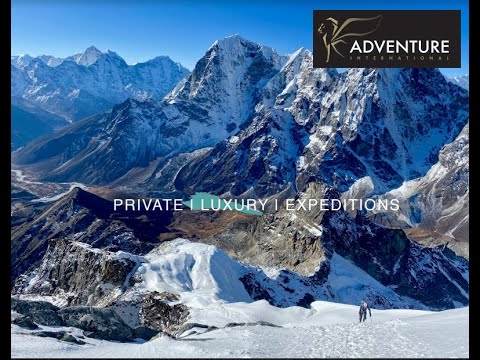
Adventure International with Frank Castro
In this 25 minute webinar, Frank Castro, founder of Adventure International, introduces the company to travel advisors. Adventure International designs luxury trekking and mountaineering journeys to some of the world's most extraordinary places, and is especially well known for Kilimanjaro, the volcanoes of Ecuador and training and trips for climbers taking on the Seven Summits.
Connect me with Adventure International
What you will learn
Who Adventure International is, and the kind of traveller it looks after
Trekking and mountaineering options across Africa, Asia and the Americas
Kilimanjaro, where Adventure International runs its own climbs
Ecuador's volcanoes, and training and trips for the Seven Summits
How advisors can work with Frank's team to plan adventure travel for their clients
Planning adventure travel: key questions answered
What kind of traveller does Adventure International look after?
Frank built Adventure International for discerning, upmarket travellers who love adventure, a niche few luxury expedition companies serve. It works B2B with tour operators and travel agents, and can combine highly trained local guides with expat Western guides, depending on what each group wants.
Where does Adventure International operate?
Its home is Kilimanjaro, with climbs on Mount Kenya, Everest Base Camp and nearby peaks in Nepal, Aconcagua in Argentina, Ecuador's Avenue of the Volcanoes, and the Alps from Chamonix. It also offers mountain biking safaris in Tanzania, private mobile camps in Kenya and a private river camp in Nepal's Bardia National Park.
How is trekking in Nepal different with Adventure International?
Rather than relying on tea house kitchens, Frank's own kitchen team does the cooking to control hygiene and add variety, with tea breaks, snacks and high specification private camps, sometimes off the main trail. Helicopters can replace long walks out, and treks can be paired with tigers, rhinos and elephants in Bardia.
Which climbs help clients progress after Kilimanjaro?
Frank sees Aconcagua, the highest mountain in the Americas, as the natural next step, still a hike but with crampons and an ice axe, on a 15 to 17 day expedition with extra porter support. Ecuador's volcanoes, such as Cotopaxi, introduce rope work, and the team can plan multi year Seven Summits programmes.
Can Adventure International create private, high end expeditions?
Yes. For clients with generous budgets, Frank's team designs private journeys using private planes, helicopters and exclusive concessions, such as a private catamaran with a chef through the Patagonian fjords followed by a guided trek, or private villas and yachts in the Galápagos. Mobile glamping camps are always run on a leave no trace basis.
About Adventure International
Adventure International is a boutique luxury adventure operator founded by Frank Castro. It designs trekking, mountaineering, glamping and private guided journeys worldwide with trusted local partners, and directly operates its own Kilimanjaro climbs. Travel Kinship represents Adventure International to travel advisors. Discover Adventure International or contact Travel Kinship for an introduction.
Full Transcript
Becky: It's great to have you with us this morning, Frank. For those who don't know Frank, this is Frank Castro, who owns a number of luxury adventure travel brands, and today we're going to talk about Adventure International. Frank, can you start by giving us a bit of your history and how you got into travel?
Frank: I ended up living in Arusha, Tanzania, of all places, for about eight years on and off. While I was there I ran a high end safari lodge, then moved more into the operations side of tour operating, and we started running Kilimanjaro climbs. Some of our very first clients were big name US luxury brands, and we were their white label service on Kilimanjaro. That's how I was thrust into the travel industry. Then we went off and did really exciting things, like mountain biking safaris, because we thought they were fun and wondered if we could offer them to clients. We've done all sorts of wild things, climbs in different places, some not commercially viable but really fun. East Africa was a big focus, Tanzania and Kenya, and we started operating on Mount Kenya as well. With anything safari related, we always tried to put a twist on it and make it more adventurous, with walking and so on. Later in life I spent a lot of time in Nepal and thought it was the next frontier for us, so we set up there and started running climbs in the Himalayas. And to finish off our trifecta, I spent a lot of time in South America, in Peru and Ecuador, and we started operating in Ecuador as well. That's a little of my background: over a decade of supporting people on adventure trips.
Becky: I think it's really important for buyers to know that you have that on the ground experience, that you've lived in these places and know them inside out. Do you want to take us through the slides, and we'll chat as we go?
Frank: For sure. We've been in the mountaineering and trekking niche for a long time, and the gap we saw, the opportunity, was serving the more discerning, upmarket traveller who is very interested in adventure. You don't find many luxury expedition companies, so we've sat in that world, and it's been great to differentiate ourselves and stay in that niche. We work with a lot of local guides, and we run very intensive training programmes so they are the top echelon. We also have a team of expat or Western guides who can accompany groups and clients. So we have both models. Some companies only use expat guides and some only local guides, and we can combine them for whatever people are looking for.
Most of our business is on Kilimanjaro. We do a lot of climbs, privately guided and some set departures, and we look for new routes. In fact, the park authorities have asked us to find new routes, and when COVID arrived they asked our company about COVID protocols. We've worked hard to raise safety standards on the mountain, we're involved with KPAP, the third party that checks that companies follow good porter practices, and we pay our crews very high wages. So we're very involved on Kilimanjaro and very dedicated to keeping it a safe place. It isn't about us and them. It's about creating a community of really top tier operators and amazing guides.
Becky: You've been involved in training guides who work for other companies too, haven't you? It's not just your own team.
Frank: That's correct. We hold wilderness first responder courses at our offices. After Kilimanjaro, we offer extensions like a mountain biking safari, which I find super fun. A lot of the people who do it are families, because nine hours in a vehicle with kids turns into a nightmare, whereas kids on a bike, meeting children in the villages, is authentic and really fun. These rides are very well supported, so if anyone gets tired, they get in the vehicle and go to the camp or lodge. There's no roughing it; it's about how you spend your day and what your adventure looks like. There are many other cultural and hiking experiences in Tanzania, too many to fit in this presentation, but there are creative ways to do even a place as busy as the northern circuit, with beautiful hikes and culture, like time with the Hadzabe. It's about getting creative with itineraries, and we operate all of that. We're B2B, so tour operators and travel agents hire us to operate it for them.
We also operate on Mount Kenya, which I think is overshadowed by Kilimanjaro. Mount Kenya is absolutely stunning. There aren't as many rules as on Kilimanjaro, so we police ourselves on things like not overloading porters and carrying all rubbish out. Because it's less regulated, with fewer rangers checking, we really have to walk the walk as an ethical trekking company. Mount Kenya also has a technical side, so for people who want to get into technical climbing, that's what we do there. And there are more options than on Kilimanjaro: you can take a helicopter, go fishing, or go to Mount Kenya for a day and then move on, whereas on Kilimanjaro you have to commit to several days of climbing.
Becky: And there's an easier way up Mount Kenya too, as well as the technical route?
Frank: Yes. There's a walking summit, Point Lenana, and then Nelion and Batian, the two technical peaks. If you just want to walk up to the walking summit, it's beautiful. Through a sister company, we also run our own private luxury tented camps in Kenya's national parks. So after a Mount Kenya climb, we could set up a camp for a couple of days somewhere like Laikipia, where you can go biking, ride camels or horses, which is amazing in northern Kenya, or in the Maasai Mara to see the migration. These are mobile camps, so you can choose where to put them at different times of the year, based on where the migration is.
They're private and exclusive, set up only for your group, not for the whole season like traditional camps around Kenya. So from Mount Kenya you get on a helicopter and get dropped off at your private camp with its staff. It's the ultimate in Africa.
In Nepal we do Everest Base Camp, and also a lot of the peaks around it. For people who aren't ready for Everest, or for whom Everest isn't right, there are some very doable peaks around Base Camp, and there are ways to combine Base Camp with climbing them, which is really beautiful. I can't say enough about Nepal. There are so many variations of treks. What we focus on is fully serviced treks. Many companies put clients in the normal tea houses, which are very charming, but with respect, hygiene can be an issue, and on long treks people get stomach bugs all the time. It's a running topic: how's your stomach doing? So our own kitchen team takes over the cooking, which lets us control hygiene, and there's more variety in our menus, because by day 15 the food can be the same thing every day. We do tea breaks and snacks, and our private camps are a really high specification. On some treks we get off the main trail to set up our camps and acclimatise. So it's a higher end version of Everest Base Camp and trekking. And helicopters are readily available in Nepal, so instead of hiking down for four days, you can take a helicopter.
Through our sister brand, we also set up a safari camp in the jungles of Bardia National Park, on the river, in a private concession, and what's beautiful about this area is that there's nobody else there. You have this camp along the river where animals come to drink: elephants, rhinos and tigers. We really feel we're part of stewarding a vital wildlife corridor between India and Nepal. People interested in seeing big game can get there by scheduled flight or helicopter.
Becky: I was just in Bardia, as you know, and it's an incredible conservation success story for tigers. It's an area where conservation and community have come together, and the communities around the park are really interesting too. The whole conservation story is fascinating.
Frank: The whole idea of jungles and tigers in Nepal is very underserved. It's an afterthought for people. To be honest, until I'd spent a lot of time in Nepal, I had no idea. I was so focused on African wildlife, and I assumed you'd see tigers in India. Nepal was really under the radar, and then as soon as I started having full on tiger sightings there, I thought, wow, this is real. Places like Chitwan have become a little overrun, so Bardia is a very special place, because it isn't overrun by tourism.
Becky: And for people who want something different from a private camp, which is quite unique, there are other options, like Tiger Tops and smaller lodges and glamping sites. So there are lots of options.
Frank: You're right. Our camp is private and exclusive, in keeping with how we do things, but there are permanent lodges too, and we do itineraries that combine a few days at our camp with a permanent lodge, like Karnali, for a full jungle experience. We work with them as well.
We also focus on Aconcagua in Argentina. For people who want to dabble in the Seven Summits, Aconcagua is a great step after Kilimanjaro, because it's still a hike to the summit. You don't need ropes, though you do need crampons and an ice axe. So it's: I've done Kilimanjaro, now Aconcagua is my next step, using an ice axe and crampons before getting into rope work. Aconcagua is one of the Seven Summits and the highest mountain in the Americas, so it's quite an accomplishment. The expedition is around 15 to 17 days, so it's a commitment. We asked ourselves how we could do Aconcagua differently. Our climbs are privately guided. We have an expedition partner for the main tented camps on the mountain, but we add porter support, which a lot of people don't, and a lot more staff and support, which is very different from just booking an Aconcagua climb online. So our climbs are much more supported, so clients can reach the summit as easily as possible. Argentina has so many extensions, like Patagonia, wine tasting and biking, but because the expedition is so long, many people come to focus on Aconcagua and then head off to do something else.
In Ecuador we focus a lot on what's called the Avenue of the Volcanoes. Ecuador has a very unique geography. Outside Quito there's a highway that passes some of the biggest volcanoes on the planet, all close to each other. It's very rare to be somewhere you can climb several very high peaks a day or two apart, so in a short time you can put your trekking and climbing skills to good use. In the world of climbing, Ecuador is a beautiful playground, because as well as crampons and ice axe, you start doing rope work, roped to your climbing partner on certain sections. It's all very doable. Peaks like Cotopaxi are climbed by a lot of mainstream travellers. And if you don't want to go to the top, there are beautiful treks around many of these peaks, haciendas, rafting, canyoning and horse riding. It's stunning. I really love Ecuador, and the biodiversity is through the roof.
We also do private villas on the Galápagos with private yachts, all privately guided. Unlike the bigger cruises, clients hop between islands and still cover plenty of ground, but much more privately, with boats staffed just for them, lunches on board, snorkelling, diving, biking and hiking. I was just there on a surf trip, and for surfers the Galápagos is untapped. I was surfing empty line ups with beautiful waves and eating ceviche and sashimi on the boat. It was epic.
We also have a team in Chamonix, so we do Alps trekking and climbing too, for people who want to hike up Mont Blanc or keep developing their trekking and climbing skills. Chamonix is an amazing playground, and there's the Haute Route into Switzerland and the Tour du Mont Blanc as well.
We've also become involved in preparing people for the Seven Summits. For people who want to do them, we lay out full multi year programmes: Denali in Alaska, Elbrus, Vinson in Antarctica and, of course, Everest, along with Kilimanjaro and Aconcagua. You train for certain peaks and then climb certain peaks, so it's a mapped out couple of years. We were already doing this for people, so we decided to offer it properly, taking people through the full training and then operating the Seven Summits for them.
Becky: That's incredible. And because of your expertise and your team's knowledge, you've also designed some very private, luxury expeditions. I know you can't give too much away, but can you give us a sense of what's possible for really high end clients?
Frank: When budget is no object, it's about getting to an area by private plane or helicopter, and what we can book that's really different and private. For example, clients wanted to do something very different in Patagonia, exploring the fjords, and we had access to a private catamaran with a private chef to sail the Patagonian fjords, then took them on a privately guided trek in Patagonia. It's about getting creative and creating intimacy, privacy and exclusivity. That's where people want their money to go: the privacy of the experience, private villas, and access to concessions where you won't run into crowds.
Becky: And I believe you've even designed mobile glamping at the top of mountains, always with safety and leave no trace as priorities. Some of these things might sound high impact, but I know it's very important to you that they're done with care for the environment and the local people.
Frank: That's the thing: when you take a camp down, it moves, and of course you leave no trace. We've done eco camps and glamping set ups in Switzerland and Bolivia, for example. The sky's the limit. If people have the budget, we can mobilise it, along with whatever amazing adventures the area offers.
Becky: Perfect. It's been great to talk to you. Any buyers listening who want more information can contact Frank and set up a meeting. We also have sales toolkits, and we'll be doing a separate talk just on Kilimanjaro and another on Adventure Portfolio, which covers the glamping and softer adventure trips Frank and his team offer. Anything you need, just get hold of me or Frank, and we'd love to support you further. Thanks again for your time, Frank.
Frank: Thanks, Becky. I really appreciate it.
-
 • 11/18/25
Building a World of Adventure with Frank Castro
In this episode of Voices of Kinship, Travel Kinship's Kelly Tolliday talks to Frank Castro, founder of Adventure International. Frank explains how a Kilimanjaro climbing outfitter grew into a luxury adventure specialist working across Africa, the Himalayas, the Andes and North America, and what travel advisors should look for when they book a high altitude trek for their clients.
Connect me with Adventure International
What you will learn
How it began. Adventure International started in Arusha, Tanzania, as a Kilimanjaro outfitter. Frank describes how fair pay, year round training and care for guides, porters and cooks became the foundation of the business.
How it grew. Working with local partners in Nepal, Peru and Ecuador, then adding glamping domes in Peru, a safari camp in Bardia, Nepal, where guests may see tigers, and luxury surf trips.
Choosing an adventure DMC. Why Frank says choosing on price alone is a mistake for a high altitude climb, and why risk management and a solution focused team on the ground matter most.
What clients really want. Iconic routes such as Kilimanjaro, Everest Base Camp and the Inca Trail are busy. Frank explains how to uncover whether a client wants the icon or a quieter, more remote trek.
Building the whole trip. Pairing a big climb with a high end safari, Zanzibar, or a privately guided Galápagos extension, so the itinerary is balanced rather than all adrenaline.
Families. Around 15 or 16 is the usual starting age for major high altitude climbs, while Tanzania, Peru, Ecuador and the Galápagos work well for younger children and multi generational groups.
The future of adventure travel. Why Frank sees adventure as a reset from screens and stress, and his plans for privately guided national park journeys in North America with Northern Journeys.
Planning adventure travel: key questions answered
How did Adventure International begin?
It began in Arusha, Tanzania, as a high end Kilimanjaro outfitter. Frank Castro and his partners built the business around the guides, porters and cooks, with off season training, better pay and health support, and helped create a list of ethical operators on the mountain. The same model then spread to Nepal, Peru and Ecuador.
What should advisors look for in an adventure DMC?
Frank's advice is not to choose on price alone. High altitude treks and climbs need serious risk assessment and management, experienced guides and a team that is there and solution focused if something goes wrong, including evacuations. A good adventure DMC is also honest about the best season and about what a route is really like, such as how busy Kilimanjaro or Everest Base Camp can be.
Can an adventure trip include luxury extensions?
Yes, and Frank sees that as part of what sets Adventure International apart. A Kilimanjaro climb can continue with a safari and Zanzibar, and a Cotopaxi climb in Ecuador with a privately guided Galapagos trip using good hotels, private yachts and flights between islands, so the extension matches the standard of the adventure.
What age is right for family adventure travel?
For the big high altitude climbs, Frank suggests around 15 or 16. Younger families do better with soft adventure from a comfortable base: safaris, Maasai cultural walks and waterfall hikes in Tanzania, ecocamps and a hike to Humantay Lake in Peru, or snorkelling, cycling and giant tortoises in the Galapagos. Patagonia can be harder with young children if the days involve long distances.
Why is adventure travel growing?
Frank believes people are looking for a reset from screens and stress, and that nature, connection with others and a physical challenge are the best medicine. Even a week of remote hiking can change how people feel, and travellers often come home looking for their next adventure.
Who is speaking
Frank Castro is the founder of Adventure International and has spent more than 15 years setting up adventure travel around the world. He is interviewed by Kelly Tolliday, Director of Sales and Marketing at Travel Kinship.
Travel Kinship represents Adventure International to travel advisors. Contact us to be introduced to Frank and his team, read our interview write up, Building a World of Adventure, or visit our Adventure International page.
Full Transcript
Kelly: Welcome back to Voices of Kinship, a show by Travel Kinship, a representation company for amazing travel businesses around the world. We spotlight the change makers, the visionaries and the pioneers shaping the future of travel. I'm Kelly Tolliday, and I'm thrilled to introduce a guest whose passion for adventure has built not only unforgettable journeys for travellers, but lasting impact for communities around the world. Welcome, Frank Castro, founder of Adventure International. You're tuning in from California and I'm all the way in Florida, so there's some distance between us, but we've made it work. I'd love to start at the very beginning. What inspired you to create Adventure International, and what was the defining moment when you knew this was something travellers and travel advisors needed help with?
Frank: It's a little layered. I ended up in Tanzania for about eight years, on and off. We started as a local climbing outfitter. There were other people involved, and there have been different iterations of ownership and partnerships, but essentially we were in Arusha, Tanzania. We were young, and the market was really calling for a high level operator on Kilimanjaro. So we thought, how do we do a fancy version of Kilimanjaro? And in this quest to have a lifestyle business and operate on the mountain, we became really passionate about, and dedicated to, the people who are the lifeline of the business: the guides, the porters and the cooks behind the scenes. It turned into a family.
To be brutally honest, the landscape of mountaineering and trekking at the time was a lot of expat or international companies price hounding local operators, coming in to manage a climb and bringing clients, and that was happening all over the world. So we thought, what if we created a very high level, ethical trekking outfitter? That's what we set out to do. There was so much behind the scenes work: training guides in the low season, money management, health testing, really increasing pay and salaries. We're one of the highest paying outfitters in the business. We thought all of this should simply be the baseline, but the truth is it isn't always, and that's unfortunate, because owners and people higher up aren't as affected as the workers on the lowest rung.
So the genesis was just trying to do the right thing. What was interesting is that it became a bit of a paradigm shift. Other companies started thinking, hold on, we'll get more clients if we use ethical practices. We were at the forefront of creating a little cooperative with a monitoring body, a list of ethical operators for anyone climbing Kilimanjaro. And it became cool to do the right thing and take care of your employees. That was the genesis: a luxury trekking outfitter in Tanzania with highly ethical practices, top tier guiding and top tier gear.
From there, a lot of the luxury operators who hired us on the ground wanted to expand into the Himalayas. We thought, we've built an amazing ecosystem here, could we replicate it in Nepal, doing high end trekking but with the same focus on the foundation of the operation, the porters? So we did. And our partners there, who became our business partners, even included health insurance for their workers, which was next level in providing for workers. They were involved in reforestation projects and water filter projects. We thought, this is great, we can impact the local economy, bring clients over and do good. The next step was Latin America and the Andes, to finish the trifecta, so we set up in Peru and in Ecuador as well. Those operations are smaller than Nepal and Tanzania, but suddenly we were global. Adventure International: as plain as that sounds, you can tell what we do from the name. It was a moment in time when the industry needed that kind of support.
It's interesting, because I grew up surfing. I'm super passionate about surfing. I did some hiking and climbing, but I didn't grow up in a climbing family. We were young men trying to make our way and build businesses, and we realised that most trekking and climbing involves logistics. You need guides, food, porters, cooks and gear, and on some mountains you need permits. It's illegal to do it on your own. So people have to hire someone, and we wanted to be out there supporting them. And here we are, 15 years or more later.
Kelly: You also offer luxury surf itineraries for families and couples, and you work in US national parks. When I talk to advisors, I say, anything adventure related, come to me and I'll introduce you to Frank and we'll figure something out.
Frank: It's so interesting. I was speaking on a panel recently, and when they introduced me I thought, what? That's quite an introduction. So, we became a global mountaineering and trekking outfitter, and then we were asked to get involved on a deeper level. We have ecodomes in Peru, which give the local economy a lift and employ local people. It's not exactly a property, it's an ecodome, a light footprint place to put people. It's glamping, which is adventurous, and some people don't want to sleep on the ground. Now you have a dome with a bed, a toilet and a shower. Anyone who has done the Inca Trail knows that having your own toilet is a very big luxury. The gap in the market was that you had either bricks and mortar or camping, and this was the sweet spot in between. So we created Adventure Portfolio, which houses all our ecodomes and glamping.
Then in Nepal the opportunity came to have an on demand safari camp in the jungles of Bardia, where we help steward a corridor for big game between India and Nepal, and we deliver water filters to the military, who help with anti poaching. It's a wild, amazing product, and we do it for conservation. Literally one or two bookings a year help pay for the private concession, and clients can watch a tiger drinking water. For me that's amazing: seeing tigers in Nepal and then taking a helicopter up into the Himalayas to trek. Some friends of ours were doing safari camps in the United States, outside the national parks, so we started bringing that safari product to the US too. We got into this glamping and ecodome ecosystem, which is in the spirit of what we do.
I was a big nomad for 15 years, setting up operations. Then I got married and had a child, and suddenly it was, I can't really take my baby to Patagonia or Everest Base Camp. What does this look like now? So I went back to my roots in surfing, spending time in Costa Rica, Fiji, Bocas del Toro in Panama and the Galapagos, and I thought, surf travel, who does that? I looked at the market, and I didn't think anyone was really doing luxury surf travel. So we started luxury surfing trips, with private villas, chefs and great spots, and because we're equipped as an operator, we can run extensions too. That was my domesticated project, so to speak.
Then we all went through some strange times with Covid in the tourism industry. We had diversified, because we'd always worried about having all our eggs in the Africa basket, but with Covid we couldn't even leave the country. At the time, because we were involved in these safari camps in the United States, that side suddenly took off. Families and advisors whose clients would normally go on safari, to the Galapagos or to Nepal were asking, what do we do? Here was this playground, the United States. I was going to all the national parks and thinking, the US is beautiful. I felt invigorated, plus I had my child in tow, so we were doing family travel in the national parks, and it was amazing. That sparked my curiosity: who is doing what in the United States? I didn't think many people were really doing custom, privately guided national park trips. So we decided to do privately guided national parks. I live in California, and no one was really doing California, so we launched what is now Northern Journeys, and now we're offering the national parks of the USA, Canada and Alaska. At some point I'll stop creating new ventures, but I'm not sure when.
Kelly: The common thread is clients looking for their next big adventure, challenging themselves physically and mentally, perhaps bringing their family. For an advisor who doesn't know Kilimanjaro, the Himalayas, Machu Picchu or adventure travel at all, it can be overwhelming, and they want to know they're working with an outfitter who knows what's happening on the ground in real time. That's what makes you different: you've walked the walk, been to each place and created these journeys from scratch. What do you think makes an exceptional adventure travel DMC, what should an advisor look for, and how does Adventure International take it to the next level?
Frank: We've hit a sweet spot at an intersection. There are so many amazing companies doing great things. There are luxury DMCs that do touring brilliantly, bringing in private musicians and art shows. But then there's the client who wants a high altitude climb or trek, and you can't have just anyone leading a senior executive up a mountain. At that point we're talking about life and death. Plus, what does the food look like, where are you sleeping? It's major logistics. Part of the travel industry is scared to touch that, because unless it's driving in a car from point A to point B, it doesn't feel safe. That's where we shine. We love it, because we can do adventure.
Then there's the other side of the market, which is extremely adventurous: hardcore mountain people, sleeping in their vans and rock climbing. It's rustic and hardcore, so it doesn't meet the demands of a luxury client. Between those two segments, we saw a marriage: we can still provide top tier, high adrenaline, challenging adventure, but where you sleep at night is elevated, the food is elevated, and the guide can walk alongside the most demanding client. We can really cater to the discerning, high end client. That's the sweet spot of luxury adventure.
And to go back to your question, adventure travel, and trekking and mountaineering in particular, is really different, because the risk assessment and risk management are next level. You can't just take someone to some of the biggest peaks on the planet. It's not riding the train to Machu Picchu. It's a different ball game. Sometimes I see companies, advisors or clients trying to squeeze companies for cheaper trips, and that's not good practice. What you want is someone who is reasonably priced, where you know what you're getting, and a legitimate company, because this can be dangerous. Let's be real. We've been very lucky and never dealt with a death, but we've certainly had evacuations. It happens. So you want to choose someone who is there if something goes wrong, who is solution oriented. We can all put someone in a Four Seasons in Cabo or Costa Rica for a little bike ride, and the risk on that is low, but Kilimanjaro is next level. That's what people should look for: who is really there to support you and your clients.
Kelly: Being honest matters too, because a budget outfitter may take a trip even when it isn't the best season, whereas you'll be transparent about whether clients should go then, what you'd recommend, and what the experience will be.
Frank: When you choose a company for an adventure trip, it's really important to find out what the client wants to do. I bring this up because it has happened: people have a romantic idea of remote trekking and finding themselves, and then they get to Kilimanjaro or Everest Base Camp and it's packed. These are iconic places where lots of people hike. It's like saying, I want to go to Machu Picchu and there'll be no one there for my photo. No, there are hundreds of people at Machu Picchu, unless you arrange some kind of private entry. Of course there's beautiful remote trekking away from the main routes, but sometimes people don't know better, and the Annapurna region, for example, can be busy too. So figuring out what people really want on the ground is essential.
Kelly: What I've found you do really well is that it's not only about the adventure. If there's a group with different interests, or the peak of the trip is Kilimanjaro, you can add a safari and Zanzibar. Machu Picchu is what people come for in Peru, but you also show the Sacred Valley, another hike, the lakes or Cusco. Some adventure companies only do adventure well, but you create a really balanced itinerary with the culture too.
Frank: That's a really good point, and it's where we saw the opportunity. There are hardcore climbers and mountaineers who put on an exceptional climb, but then clients say, we'd like to go on safari. We often compare itineraries, and sometimes I see camp choices and think, I would never put someone there, but they don't know better. Or someone climbs Cotopaxi in Ecuador and heads to the Galapagos, and the extension doesn't match the climb. So we decided to keep the whole itinerary high level and do extensions at the same level. Now we can do privately guided Galapagos trips with excellent hotels, private yachts and flights between islands, so you get a top tier climb and an extension that matches it. At the end of the day, we've become a sort of adventure concierge. We would never call ourselves that, but that's what it ends up being.
Kelly: And I think that's part of the future of adventure travel: people want the adventure, but with a holistic approach to the whole itinerary. Speaking of trends, what are you seeing in the requests coming in, and how is Adventure International adapting to them, or shaping them?
Frank: I think adventure travel is growing more and more, and I think it's because it addresses the mental health crisis we're seeing, mostly here in the United States but also globally. People are on screens a lot more and living in survival mode. Honestly, the biggest medicine I've found is nature, being connected to people and stepping outside your comfort zone. That has always been the best medicine for me. Sure, there are other things, like saunas and cold plunges, but at its simplest, go hike somewhere remote for a week, and I promise you'll feel better. You'll meet kind people in a village, share a cup of tea, have a conversation, and come back changed. That's why people chase it. You do one adventure and then ask, where's the next one? There's a network of places people want to go, Patagonia, Machu Picchu, the Himalayas and Kilimanjaro, because they need a reset, they want transformation, or they just want to do something new. So I think this is important work. Travel helps people become global citizens. In general, people are looking for some sanity, joy and peace, and what I find is that joy and peace are strongest after a physical challenge.
Kelly: Have you read The Comfort Crisis by Michael Easter? The more comfortable we've become as a society, the less satisfied we are. People seek out adventures to challenge themselves so they feel alive and connected with nature again. And you don't need much. A couple of days in nature, one dip in the ocean, and you immediately feel better. You've said this work is transformational. Even people who have trained and are physically and mentally fit can find their mind going a little haywire by day five of a trek. Can you share a story of a traveller who had a life changing experience, a moment that made you think, this is why I do this?
Frank: I can speak to it personally. My life literally changed because I reached the summit of Kilimanjaro. As cliché as that sounds, things suddenly come into perspective when you do something like that. One of the greatest things I've seen is a billionaire talking with one of our Tanzanian guides, who lives a very simple life, both of them just walking as human beings in this experience, trying to reach the summit. That's so beautiful. Their differences are set aside, and what created that was the container of the journey: we're on the same path, in nature, we need each other, because you're guiding and I'm here and need to get through it, and we're all here for the same purpose. Everyone is present, outside, just trying to keep their spirits up. You're not at your desk getting angry emails or feeling the pressure to make a million dollars today. You're on a long walk together. There's a spiritual saying that we're all just walking each other home, and it feels like that. However much money you have, people still go through divorce, death and hard situations. The private plane doesn't protect you from life. So it evens the playing field when you're literally walking the same path.
And you learn so much. I was in Patagonia speaking Spanish with a gaucho who was cooking steak and drinking mate, looking at Torres del Paine and sharing his wisdom, and I thought, I could sit here with you for a week and talk about life. That was the magic, not even the iconic hike, just sitting with him talking about life. I call those moments God shots. Without getting too esoteric or forcing it on people, let them have their own discovery and transformation, because it happens. Unless a trip has gone horribly wrong, people usually have their own little aha moments.
And it's the best to share that with your kids. As a parent, I'm a big fan of family travel. Get your kids travelling. I just took my daughter on safari in Tanzania, and she loved speaking Swahili with the guide, watching the animals and seeing how people live. I was so glad she has the temperament to travel. It's important to get our kids out of their little bubble.
Kelly: I'm a mum of a five year old and a three year old, and my kids love to travel. My three year old wears a little dress from Thailand every day and asks when we're going back. Families are getting more involved in adventure travel than ever. If an adventurous family wanted to go to Tanzania for safaris and Zanzibar, perhaps not Kilimanjaro with young children, or Machu Picchu, where I saw families on the Inca Trail with six and seven year olds, what would your guidelines on ages be?
Frank: For the big climbs, 15 or 16 is often the sweet spot to start getting into major high altitude. There have been younger children, and I'm not saying it isn't possible. But Tanzania is amazing with kids. You can do safaris, cultural visits and walks with the Maasai, and waterfall hikes. There's so much to do. I'd choose a home base and take day excursions from there. With families, it turns more towards soft adventure. Even in Peru, staying at the ecocamps works well: it's contained, everyone sleeps well, and you can do a hike up to Humantay Lake. The Galapagos is epic for kids, especially with private excursions, snorkelling, cycling or visiting the giant tortoises. Ecuador can handle younger children, as can Tanzania. Places like Patagonia can be more challenging, although you can stay in one place. It depends on the mileage and what you'll be doing over the next few days. If it's serious mileage and there isn't much else to do, it gets tough. You want enough to keep the whole family happy, especially multigenerational families with grandparents, parents and children. What can everyone do to have a good time?
Kelly: And that's why working with a provider like you matters, to get honest feedback on what the family wants from the trip, and whether it would be better as an adults only escape or a wonderful trip for everyone. It's about setting expectations ahead of time. To wrap up, what excites you most about the future of adventure travel and of Adventure International?
Frank: There was a time when I was doing so much chasing, and now I'm excited about feeling more grounded and slowing it all down. Maybe that relates to our programmes too. We've always done big challenges and power packed itineraries, and now maybe we slow it down. I'm looking forward to people slowing down a little and really taking their time. I'm also really excited about what we're doing in the United States. It has sparked the little boy in me. We've worked in international destinations for a long time, and there's always something exciting happening there, but North America is really exciting. Some big companies have recently gone off the map, so there's an opportunity, behind the scenes, to get people working. I'm excited to create something where people can work and provide for their families while we provide great experiences. Across the border in Canada, people are worried they won't have business, and doing more in Canada and Alaska is wonderful. We always think about helping people abroad and getting people working there, but it's a mirror: what about here at home, in our own backyard, where people still need work and are worried about the future of travel? So right now, that potential in North America is what's most exciting.
Kelly: I also think it's a pivotal time, because you can't appreciate and protect what you haven't experienced. It's a moment to get more people to fall in love with the national parks and the nature in our own backyard, and you're able to play a part in that with your partnerships and experience. For anyone listening, if you'd like to be connected with Frank and Adventure International for upcoming client trips, reach out to us at Travel Kinship and we'll make the introduction. You can find his website in the show notes. Frank, any way for people to connect with you, or any last words?
Frank: Just talk to Kelly. Kelly will guide you. But I did want to end on this full circle moment. We started out so exotic, and now, as someone who grew up in the States, I'm coming back here to get people out into nature, so that if they're not ready for the bigger adventures yet, this can be their introduction, and then they can spread out and do the bigger things. We did it in reverse, but it's a nice full circle. We're on all the channels, and our website is adventure-international.com, but the easiest way is to talk to Kelly or to me.
Kelly: You can reach me at kelly@travelkinship.com. Thanks so much, Frank. I appreciate your time.
Frank: Thank you so much.