Croatia & Slovenia: Culturally Rooted Luxury
In this 40 minute Travel Kinship webinar, Mitja Jus of Roundabout Experiences takes travel advisors on a deep dive into Slovenia and Croatia. He covers the places to see, the signature experiences his team creates, where to stay, and how Roundabout supports advisors from first enquiry to the end of the trip.
Connect me with Roundabout Experiences
What you will learn
Slovenia's highlights: Lake Bled, Ljubljana, Postojna Cave, Piran and the Goriška Brda wine region
Croatia's coast and islands, from Split and Hvar to Dubrovnik, explored by sailboat, catamaran or private yacht
Food and wine: small family winemakers, Istrian olive oil and truffles, and oysters from Ston
Signature experiences, from a private after hours concert in Postojna Cave to helicopter winery hopping
Boutique and castle hotels in Slovenia, and luxury resorts on the Croatian coast
How Roundabout works with advisors: a first reply within 24 hours on working days, no minimum spend, and its own local teams and guides
Planning Slovenia and Croatia: key questions answered
What are the must see places in Slovenia?
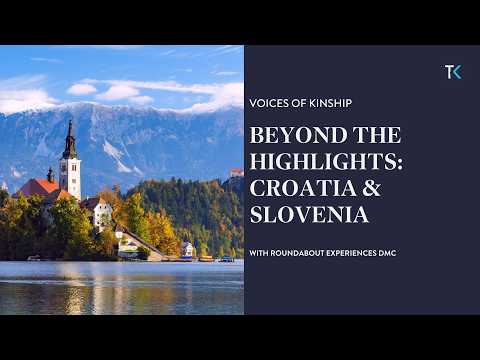
The classic highlights are Lake Bled, with its castle and island church about 45 minutes from Ljubljana, the walkable capital itself, Postojna Cave about 50 minutes away, and the Venetian style coastal town of Piran. Mitja Jus also recommends going beyond them: to the Alpine valleys, to Maribor and the oldest vine in the world, to the remote Bela Krajina region, and to the Goriška Brda wine country on the Italian border, about an hour and 15 minutes from Venice airport.
What is a good route through Croatia?
A typical route runs from Zagreb, about an hour and 15 minutes from Ljubljana, to the Plitvice Lakes, then to Zadar, on to Split, the gateway to islands such as Hvar, and down to Dubrovnik. Roundabout also takes clients beyond the busiest places, to the Pelješac peninsula, Korčula and other islands and wine regions, and plans at least part of every Croatia trip on the water.
Why is Istria a highlight for food and wine lovers?
The Istrian peninsula, shared by Croatia and Slovenia, is famous for its olive oil and its truffles. Roundabout's experiences there include a truffle hunt that begins as a chance meeting with a truffle hunter and her dog, vintage car tours through the countryside with olive oil and wine tastings, and helicopter hops between wineries that have their own helipads.
Where do clients stay in Slovenia and Croatia?
Slovenia has little ultra luxury but excellent luxury boutique properties, often family owned, in nature or in town, such as Zlata Ladjica in Ljubljana, and some castles where guests can stay, including a five star castle hotel. In Croatia, Mitja's examples include Maslina Resort and Palace Elisabeth on Hvar, Hotel Korta Katarina, and San Canzian Village in the heart of Istria.
What makes a day at sea in Croatia special?
Croatia's islands are close together and ideal for sailing, so Roundabout arranges sailing boats, catamarans, gulets and luxury yachts, as well as speedboat days. Highlights include a sunset sail to a secret spot for a private picnic, a beach club on a remote island near Dubrovnik reached by private speedboat, a Michelin chef cooking on deck with fresh oysters delivered by a local boat, and sea kayaking beneath Dubrovnik's city walls.
About Roundabout Experiences
Roundabout Experiences is a boutique DMC for Slovenia and Croatia, with its head office in Ljubljana, an office in Zagreb and local teams along the Croatian coast. Travel Kinship represents Roundabout Experiences to travel advisors. Discover Roundabout in Slovenia and Croatia, or contact Travel Kinship for an introduction.
Full Transcript
Kelly: Over the next 40 to 45 minutes we're going to learn about Croatia and Slovenia. Travel Kinship is the representation company for Roundabout Experiences, and I'm Kelly Tolliday. We represent some of the world's most unique, culturally rooted DMCs that also offer seamless luxury experiences, with sustainable luxury travel, wellness, adventure, and cultural and culinary experiences at our core. Today I'm introducing Mitja, managing partner of Roundabout Experiences, which specialises in travel throughout Croatia, Slovenia and across the Adriatic. We're taking a deep dive into the unique and private experiences your clients can have across the region. Please use the questions box, and we'll save questions for the end.
Mitja: My name is Mitja. It's easier if you replace the J with a Y. I'm the owner of Roundabout Experiences, a boutique DMC primarily for Slovenia and Croatia, and we've been on the market for about 20 years. We started as a local tour operator running small group scheduled daily tours, first in Slovenia, then expanding to Croatia and even Serbia. At some point that wasn't enough. We wanted more demanding products and clients, and we evolved into the boutique DMC we are today. We are a destination specialist for the Signature Travel Network and part of XO Private, and we're proud that Travel Kinship represents us in the American market.
In one sentence, we are a DMC for Slovenia and Croatia focused on creating and designing unique, authentic and exclusive experiences in the region. We want to be different and fresh, and to be recognised for our personal approach, creativity and sustainability. We specialise in FIT travel, meaning individual travellers, families and small groups, and we handle large groups too. In Croatia we arrange luxury yachts, gulets, sailboats and catamarans, because you should experience Croatia from the sea for at least part of the journey. We do a lot of honeymoons, because our mission is to surprise and exceed expectations, a few destination weddings a year, where we work with partners and handle the logistics and experiences rather than the planning, and incentive travel. We work with our own carefully selected accommodation, because we need to trust the people we create experiences and surprises with.
Both countries sit almost in the middle of Europe, in a very good location. Besides Slovenia and Croatia, Montenegro and Albania are getting more popular, and we also operate in Bosnia, Serbia and North Macedonia, which are less popular with the American market so far. I like to see Slovenia and Croatia as one destination. We were part of the same country 35 years ago, and together they're the perfect destination: Slovenia very diverse and all about nature and sustainability, and Croatia known for its amazing coastline and more than a thousand islands.
Slovenia was under the radar and underestimated because of its size, but it's getting on the radar as one of the safest, greenest and most sustainable countries in the world. It has remarkable diversity. Four landscapes meet in one small country, from the Alps to the coast, the underground world of the Karst and the Pannonian plains. It's the perfect new destination for well travelled clients looking for something new, and it's very good value for money. It's very safe, easy to explore and easy to combine with Croatia, northern Italy or Austria. It has Alps, lakes, vineyards, Karst caves and even a coast, with more than 10,000 caves, about 250 of them open to the public. It's one of the most sustainable and cleanest countries, and a strong culinary and wine destination.
The must see places start with Bled, an alpine jewel: a lake with a castle above it and a tiny island church, about 40 to 45 minutes from Ljubljana. Ljubljana is a charming, very safe capital, arguably one of the greenest in the world, where everything is walkable. Postojna Cave is about 50 minutes from Ljubljana and is one of Europe's most famous caves. And Piran is a Mediterranean town that looks Venetian. Beyond the famous places there are beautiful mountain valleys; Maribor, our second city, with the oldest vine in the world, more than 400 years old and still producing; the remote Bela Krajina region, where you won't see other tourists and get the most authentic experiences; and the Goriška Brda wine region on the Italian border, about an hour and 15 minutes from Venice airport, which is often the first stop for clients flying into Venice.
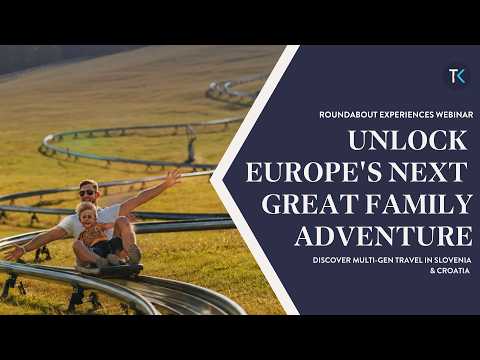
In Slovenia, gastronomy is the most important thing for us. Slovenia isn't known as a wine country only because we don't have large producers. We have thousands of small ones, so you meet the winemaker and hear the story. We do wine trails and tastings, sometimes combined with off road vehicles or an e-bike tour, with a surprise meeting with the winemaker and a picnic in the vineyard under the cherry or olive trees. There's what we call the deepest dining room in Slovenia, a five star culinary experience 150 metres below the surface in an old mine shaft that no longer operates. We do culinary walking tours and cooking classes, for example at an ecological sea bass farm on the coast. For culture, there are private after hours museum visits, sometimes with dinner inside the museum, workshops reviving old crafts in Ljubljana, and stays on top of a mountain to learn about shepherd life. And for the outdoors, with more than 60% of the country covered in forest and plenty of rivers, lakes and waterfalls, there's whitewater rafting, kayaking, canoeing, ziplining, hiking, cycling, horseback riding, wellness, and even kayaking underground in old abandoned mine tunnels. Everything is Instagrammable, and the landscape changes every five or ten minutes.
For accommodation, Slovenia doesn't have a lot of ultra luxury, but it's very strong in luxury boutique properties, often family owned, either in nature, such as a family run chalet in the mountains, or in the city, such as Zlata Ladjica, the Golden Boat, in Ljubljana. Slovenia is also a land of castles, and you can stay in some of them, including a five star castle hotel. For wine, we produce white, red, sparkling and even orange wines, and there are wine estates and boutique hotels in the heart of the wine regions.
Croatia has become very popular in the last 10 to 15 years. Game of Thrones gave it a big push about 15 years ago and put Split and Dubrovnik on the map. It's a newer luxury destination with fewer crowds and good value compared with Italy or Spain, although it isn't cheap. It combines very well with Slovenia, and often with Montenegro and even Bosnia. The highlights are the spectacular coast with more than a thousand islands, perfect for island hopping, where we arrange sailing boats, catamarans, ultra luxury yachts and gulets, plus speedboat tours; amazing food; and UNESCO gems like Dubrovnik, Split and the Plitvice Lakes.
A typical route goes from Zagreb, the capital, about an hour and 15 minutes from Ljubljana, to the Plitvice Lakes, about two hours away and the country's number one natural site, then an hour and a half to Zadar, a coastal town, another hour and a half to Split, home of Game of Thrones locations and the best gateway to islands such as Hvar, and on to Dubrovnik. We also go beyond the crowds to other islands and wine regions, such as the Pelješac peninsula and Korčula.
Croatia is wonderful for food, cheese and wine. Farm to table is the standard for us in both Croatia and Slovenia. Besides wine, olive oil is very important. The Istrian peninsula, shared by Croatia and Slovenia, is one of the most northerly places where olives grow, and it is internationally celebrated for its olive oil. Istria is also rich in truffles, a paradise for food lovers. We love private dinners and lunches: a sunset dinner at a secret spot on an island with no one else around, or cooking classes and dinners in UNESCO protected areas. We taste Ston oysters fresh from the farm. And there's the truffle hunt where we "accidentally" meet a woman with a dog, join the hunt, find truffles together and then cook a local dish with them.
At sea, there's sunset sailing to a secret spot for a premium private picnic, which is perfect for honeymooners; a beach club on a remote island near Dubrovnik, reached by private luxury speedboat, with cabanas and the freshest seafood; tuna shows for groups, with sushi and sashimi from a tuna caught the night before; sea kayaking under the walls of Dubrovnik; and morning brunches. On land, clients can discover the countryside by buggy or e-bike in the national parks; go river kayaking or whitewater rafting followed by a picnic under the stars; visit the Plitvice and Krka national parks, knowing when and how to avoid the crowds; and take a sunset hike of about 45 minutes above Dubrovnik to a premium picnic with fine wines and local ingredients. We don't shy away from the history of the war either. And Pula has its Roman arena, one of the largest and best preserved Roman amphitheatres in the world.
Now some high end signature experiences. A private visit to Postojna Cave, after hours or even between public visits in busy periods, so you see no one else, with a surprise private concert by a saxophone or violin player and amazing acoustics. Amazing Grace is the favourite. Some wineries now have helipads, so we can hop between spectacular wineries by helicopter. We've landed by helicopter on a mountaintop where a Michelin chef prepared a dish with a view over the Alps. We love putting a Michelin chef on deck on a luxury catamaran or yacht for the day, with a local boat bringing fresh oysters. And we love vintage cars for discovering the countryside, for groups or individuals, stopping for olive oil tasting, wine tasting and truffle hunting.
In Croatia, some examples of where clients stay are Maslina Resort on Hvar, the boutique luxury Hotel Korta Katarina, the San Canzian village resort in the heart of Istria, and Palace Elisabeth on Hvar, and there is much more.
Our mission is to make you, our partners, look great in front of your clients. As well as giving the best service, we are quick. We give a first response within 24 hours on working days, and once we have the information we need, we take up to 48 hours to send a complete quote. We have no minimum budget or service requirement, so you can book just a single day tour or a short excursion. That's possible because, as well as our headquarters in Ljubljana and an office in Zagreb, we have operational teams in Dubrovnik, Split, Zadar and Istria, and our own tour guides, so we can react quickly. If you book one tour with us, you'll end up booking more, so test us and you'll see what it means to work with us. If your clients are happy, you're happy, and if you're happy, we're happy.
Kelly: Thank you so much, Mitja. That was awesome.