
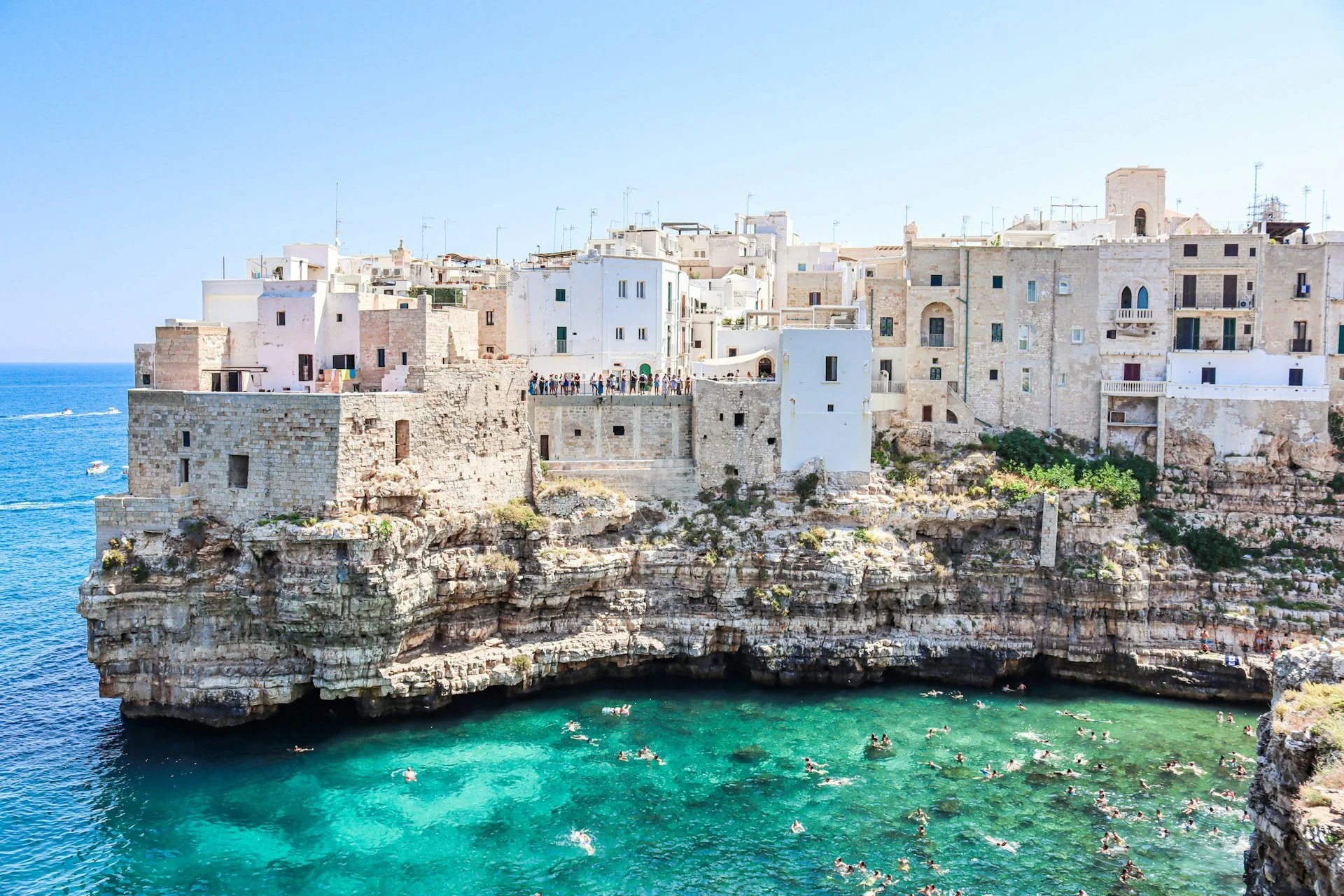
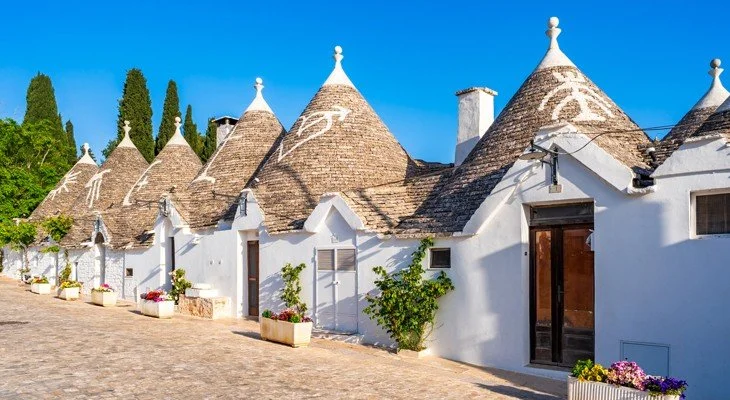
Honey-coloured Baroque glowing at dusk, white hill towns above a valley of cone-roofed trulli, a coast the locals call the Maldives of Salento, and a city carved from stone older than Rome… we make the case for Italy's heel as the Italy that tastes, sounds and feels different from the rest.
What’s in this Article
We explore why Puglia, with neighbouring Matera, is the natural next Italy for clients who have done the classics, and a wonderful first Italy for those who care more about people and food than sights.
We look at what makes Puglia, Puglia: a Greek past, a cuisine of flour, water and olive oil, and a culture of festivals and hospitality.
We start in Lecce with Dragonfly Tours Italy: a Baroque city of golden stone, custard pastries and hands-on days with its stone carvers and jewellers.
We follow the Salento coast to Otranto and out to sea, then head north into the Itria Valley for trulli, family-owned masserie and the ceramics of Grottaglie.
We cross into Basilicata for Matera, the cave city of the Sassi, with lunch cooked in an ancient olive mill hewn from the rock.
We share the hotels Dragonfly Tours’ owner recommends in each area, and show how their all-Italian team makes the south feel lived, not visited.
Why Puglia, and Who It's For
Puglia is no secret, and we won't pretend otherwise. Italians have holidayed here for generations, the masserie of the Itria Valley sit on every luxury wish list, and its olive groves and Baroque towns have been written about with real affection for years.
What Puglia offers is more useful than obscurity. It is a different Italy. Not the Italy of the Renaissance gallery and the Roman forum, but an Italy of farms and fishing ports, of bread and olive oil, of towns that empty for lunch and fill again at nine.
For clients who have done Venice, Florence, Rome and the Amalfi Coast, it is the natural next Italy: the same warmth and beauty, a new culture to meet, and none of the feeling that they have been here before. And for first-time visitors who care more about how a place lives, eats and welcomes than about ticking off sights, it is a brilliant first Italy.
This is where Dragonfly Tours Italy, our boutique, family-run Italy specialists, come into their own. Their all-Italian team doesn't learn Puglia, they live it, and more than 80% of their suppliers have worked with them since the company began. So the masseria your clients stay in is a family they know by name, the guide in Matera is someone they have trusted for years, and the whole journey sits under one booking and one payment.
Before we set off, a word on what makes this corner of Italy its own…
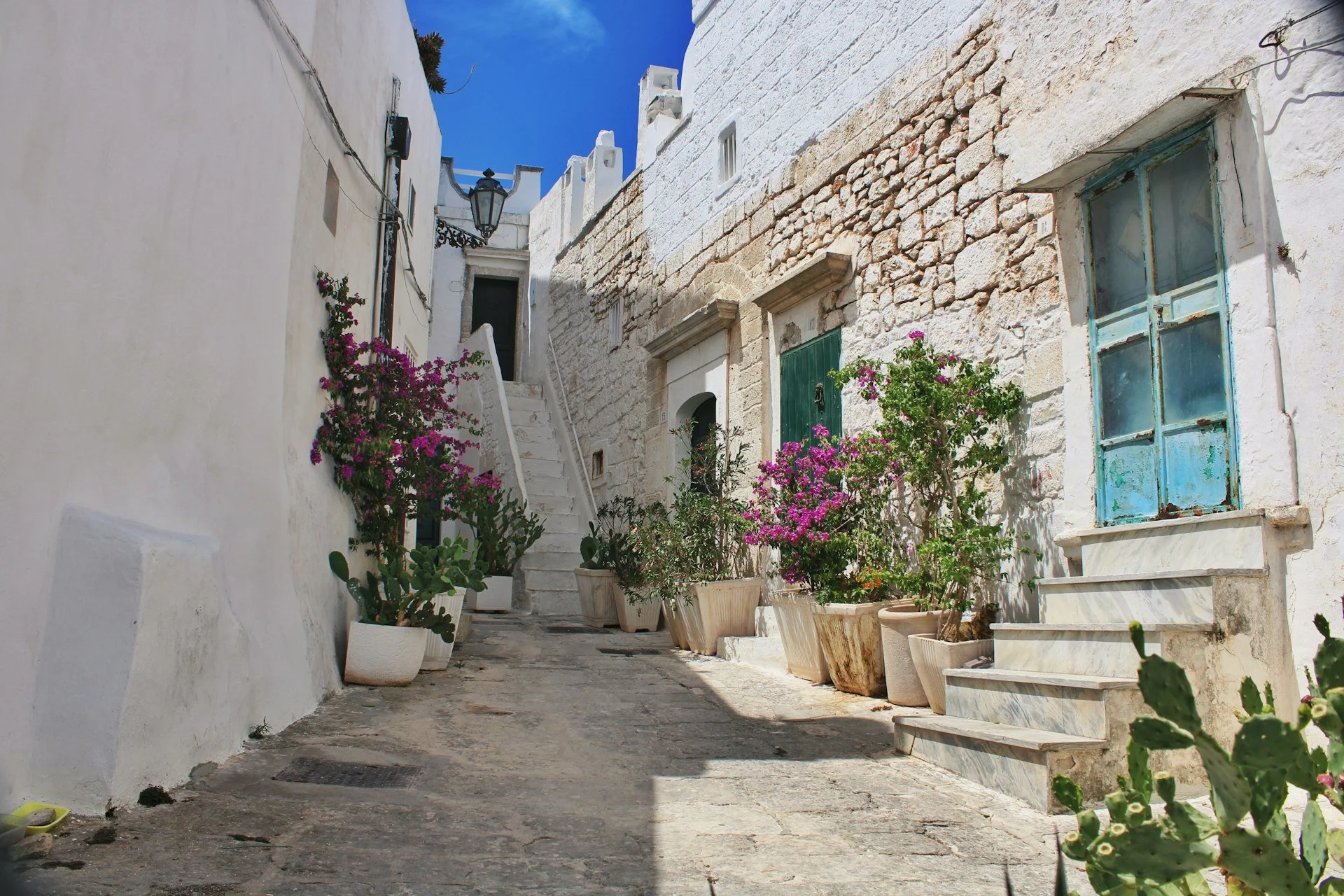
What Makes Puglia, Puglia
Every region of Italy has its own temperament and its own table. Puglia's is shaped by three things the rest of the country doesn't share in quite the same way.
The first is its Greek past. Long before Rome, this was Magna Graecia. In the Grecìa Salentina, south of Lecce, villages still speak Griko, a dialect of Greek that has survived here for more than a thousand years, and pizzica, the fast, hypnotic folk dance of Salento, fills the squares every summer. Layer on the Byzantines, Normans and Spanish, and you have a culture that looks east as much as north.
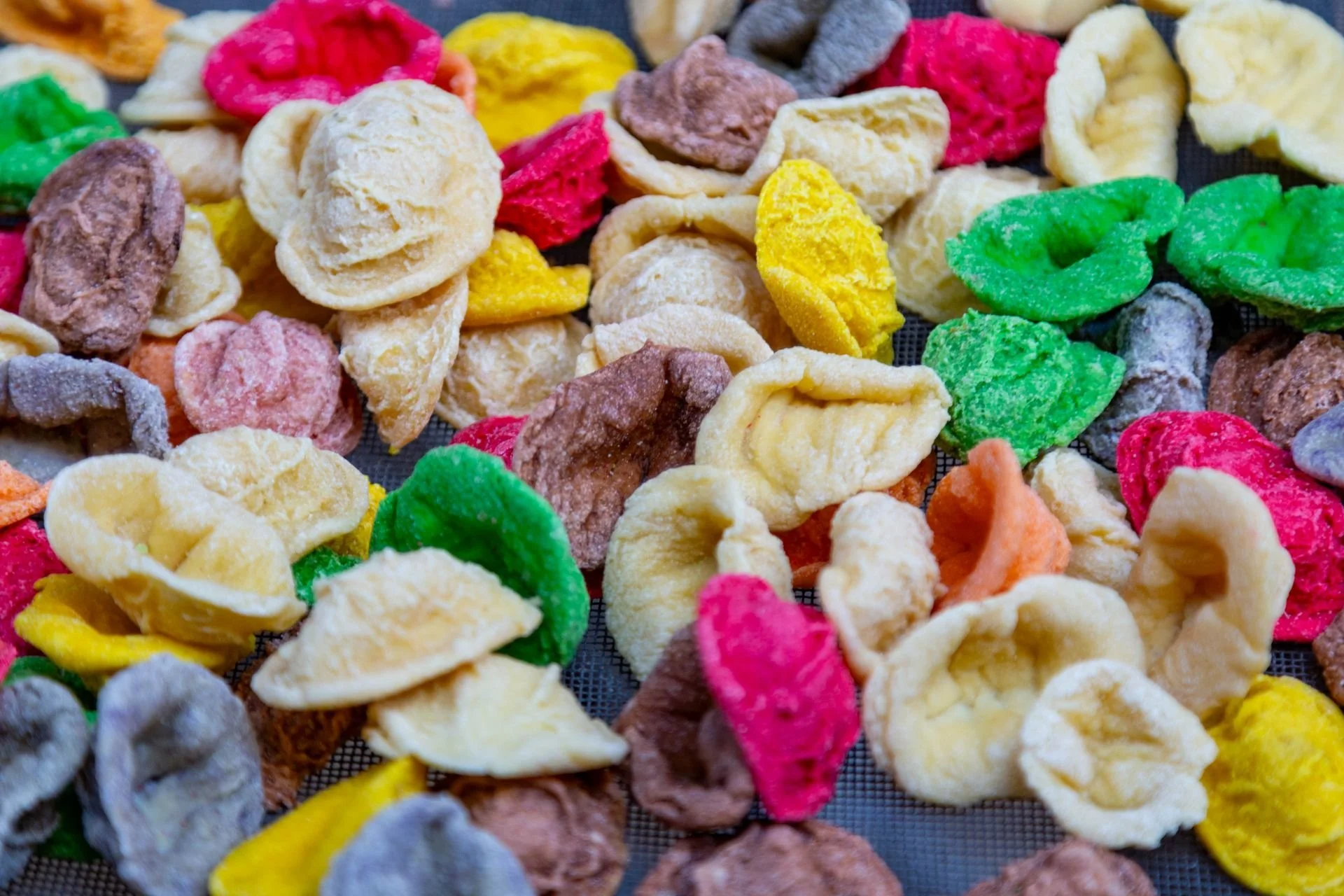
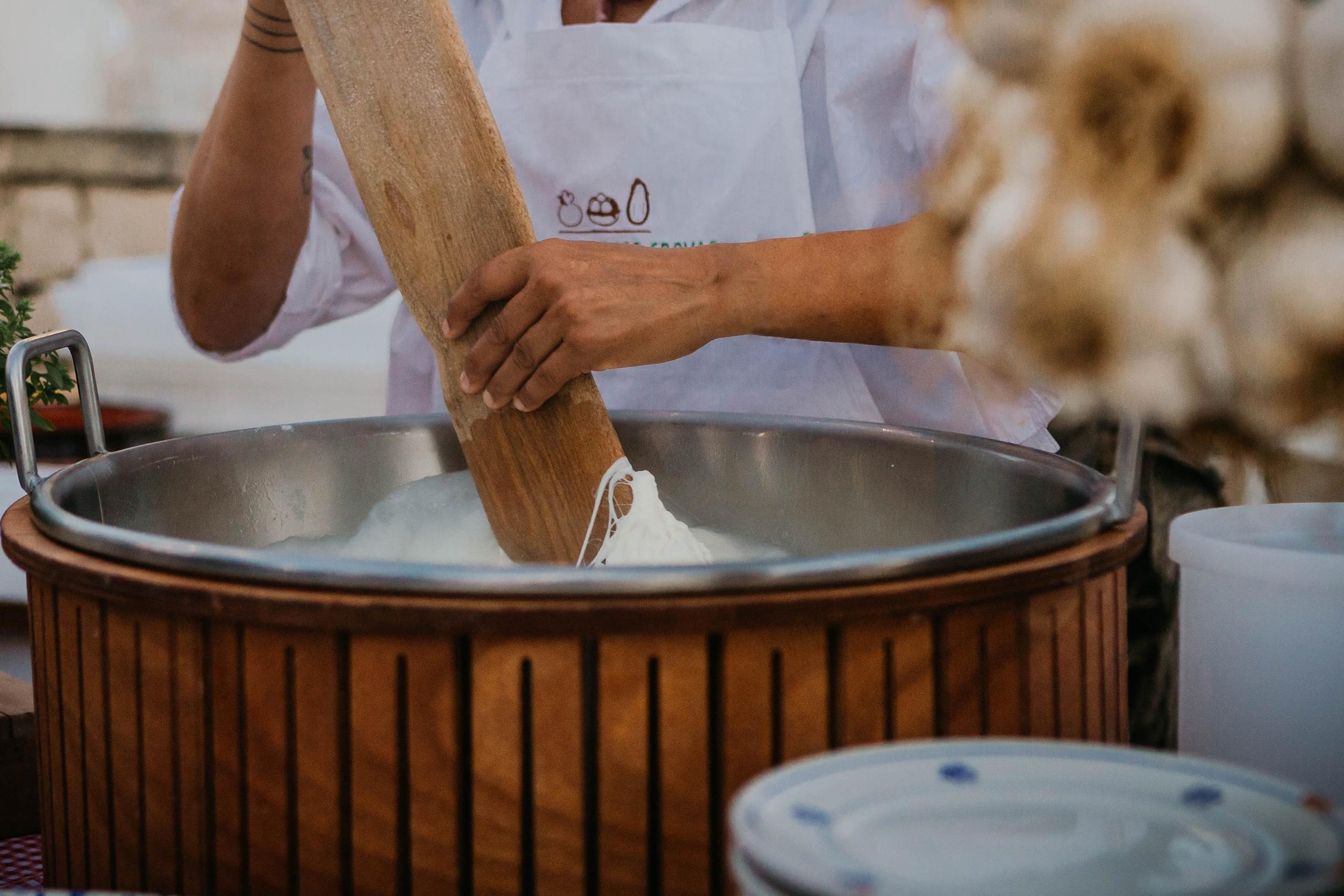
The second is the land, and what it put on the table. Puglia is flat where most of Italy is folded, a plateau of dry-stone walls and tens of millions of olive trees producing a large share of the country's olive oil. Its cuisine is cucina povera, the "poor kitchen". Pasta is flour and water, never egg: orecchiette, "little ears", still rolled by hand in Bari's old town. Bread is an institution, vegetables lead, and the cheese is burrata, born in Andria. This is food that tastes of a place, and of the people who grow it.
The third is the way people live. Life runs on a southern clock: the long lunch, the passeggiata, the patron saint's festival lit by luminarie, the hand-built light displays that turn a town into a cathedral of bulbs for a night. Hospitality isn't a service here, it is a reflex.
Let's begin where the south is at its most beautiful…
Lecce: The Florence of the South
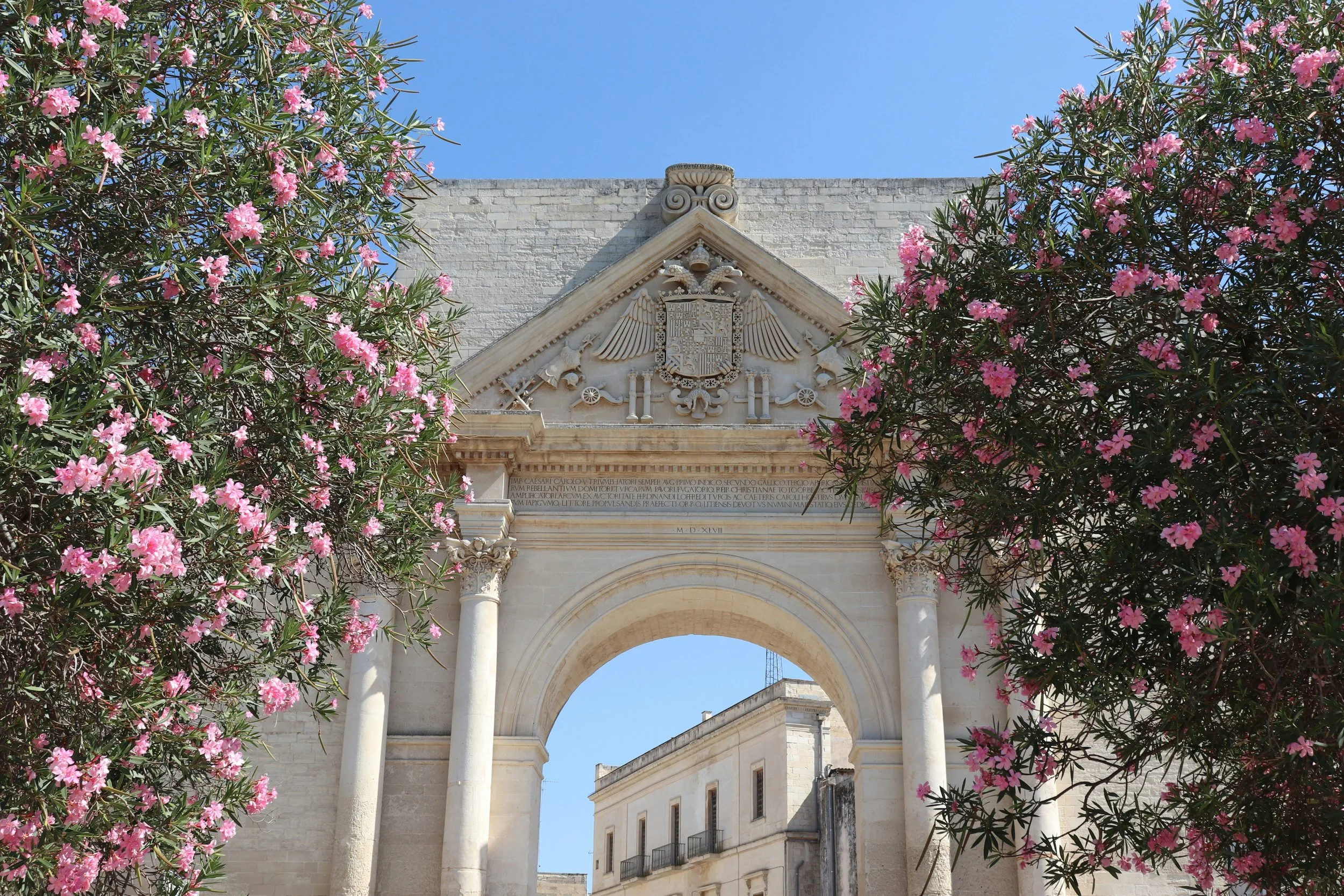
If your clients only know one city in Puglia, make it this one. Lecce is built almost entirely from pietra leccese, a soft, honey-toned limestone that carves like wood and glows like gold in the late afternoon. Stand before the Basilica di Santa Croce as the light goes and you understand why it is called the Florence of the South, and yet it moves at a southern pace: unhurried, warm, and far easier to simply be in.
With Dragonfly Tours, Lecce begins the way the Leccesi begin their day: with a pasticciotto, a warm custard-filled pastry, and a caffè leccese, espresso over ice with almond syrup. A morning at the market followed by a cooking lesson puts your clients at the stove with a local cook, turning what they have just bought into lunch.
Then comes the side of Lecce most visitors miss. Artisans in Salento is a hands-on day with the city's makers, from the stone carvers who shape pietra leccese into the scrolls and cherubs on its facades to the workshops crafting jewellery by hand. Your clients don't just watch; they try. For families, Dragonfly Tours turn the old town into an interactive treasure hunt through hidden courtyards and Baroque doorways.
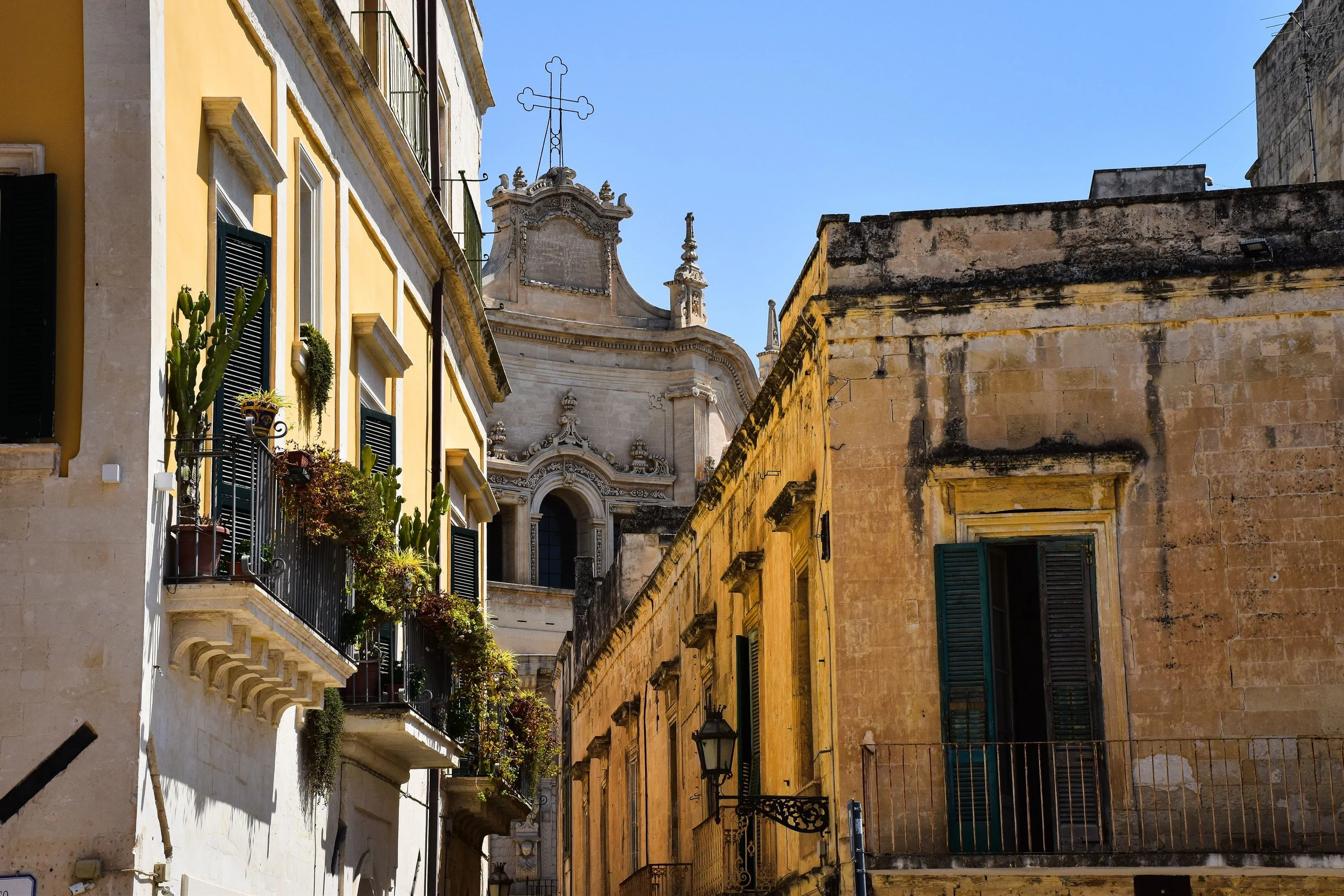
Where to stay in Lecce
Palazzo Bozzi Corso, part of the La Fiermontina collection, is a restored 18th-century aristocratic palace with just ten suites, a private garden and a small rooftop pool looking out over the domes. Its sister, La Fiermontina Luxury Home, is a five-star hideaway behind a wall in the historic centre, where art, design and Salento heritage meet olive trees, a pool and a serious kitchen.
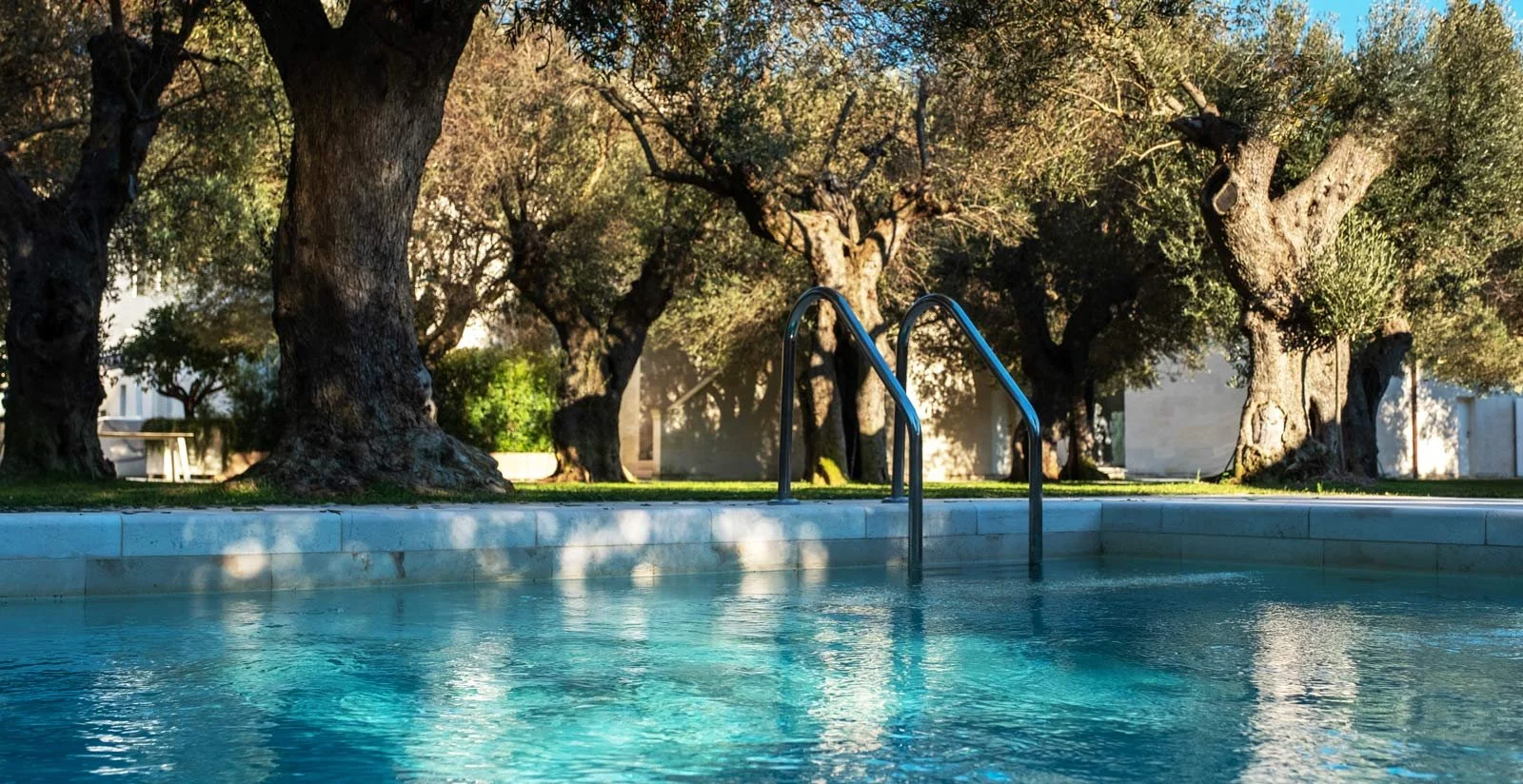
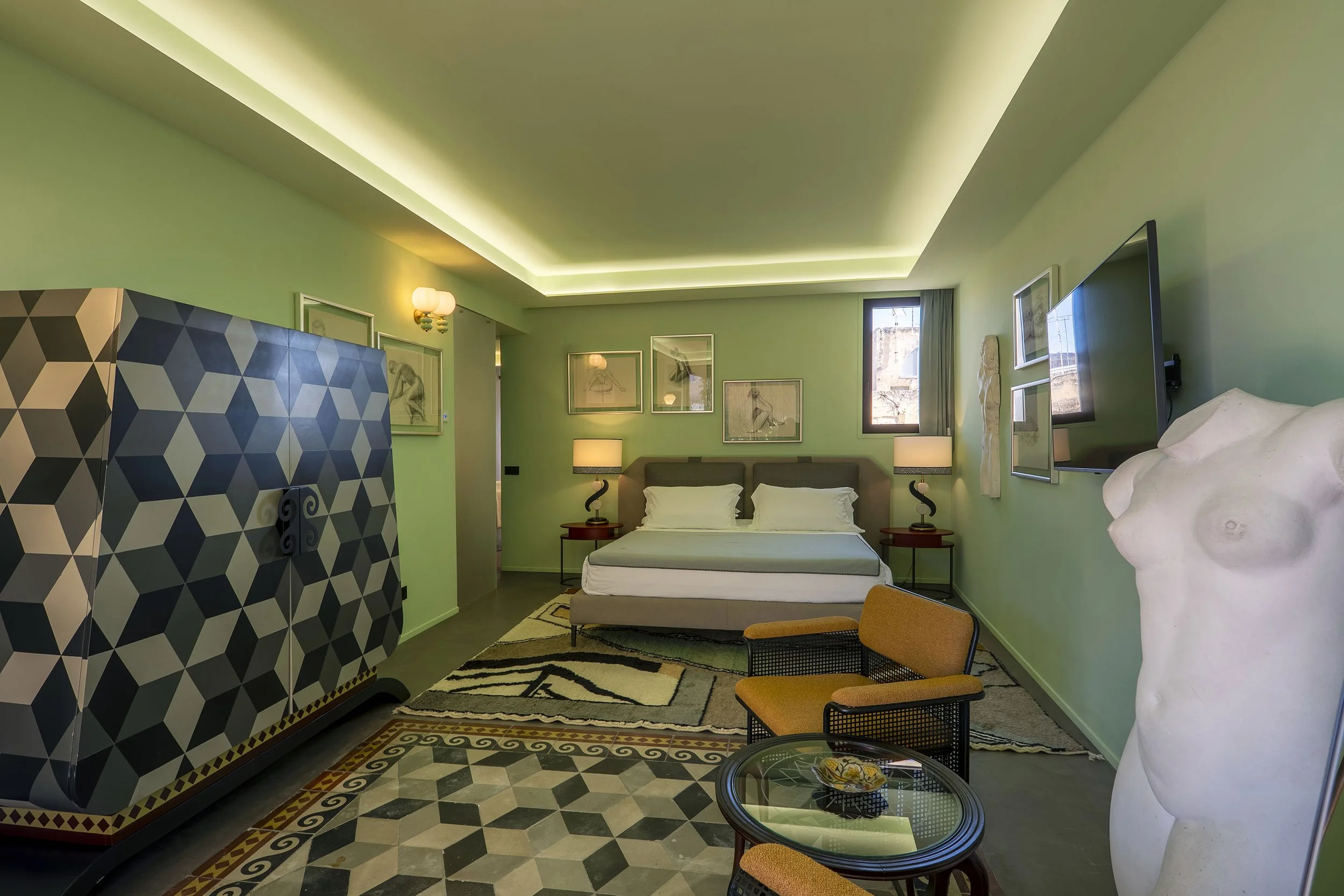
Photo credit: La Fiermontina
For the quintessential Baroque stay, Patria Palace is an 18th-century palazzo in the heart of the old town, steps from Santa Croce. And for something more intimate still, Palazzo Sant'Anna is a historic residence in a restored former conservatory, with an inner courtyard and a small wellness area.
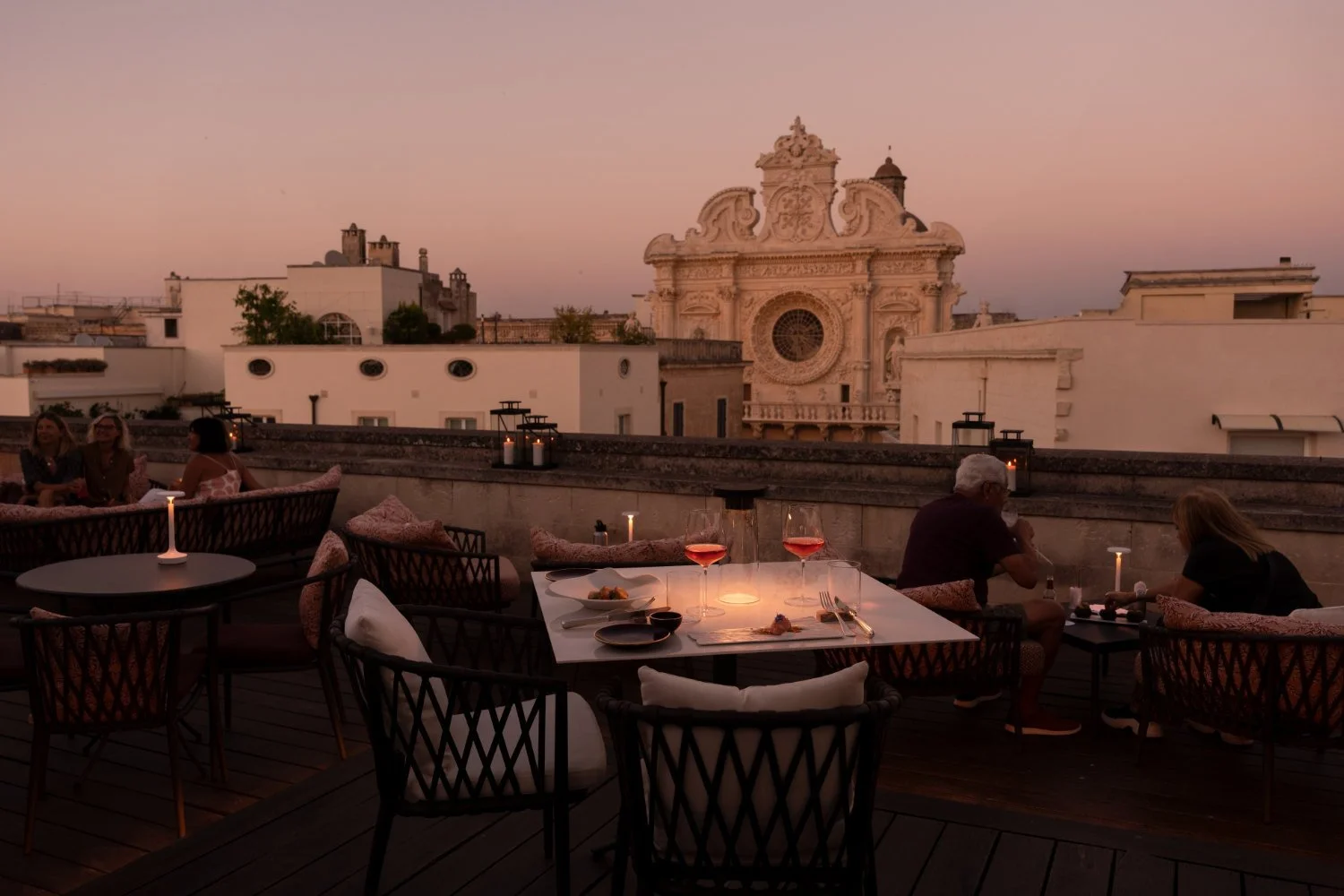
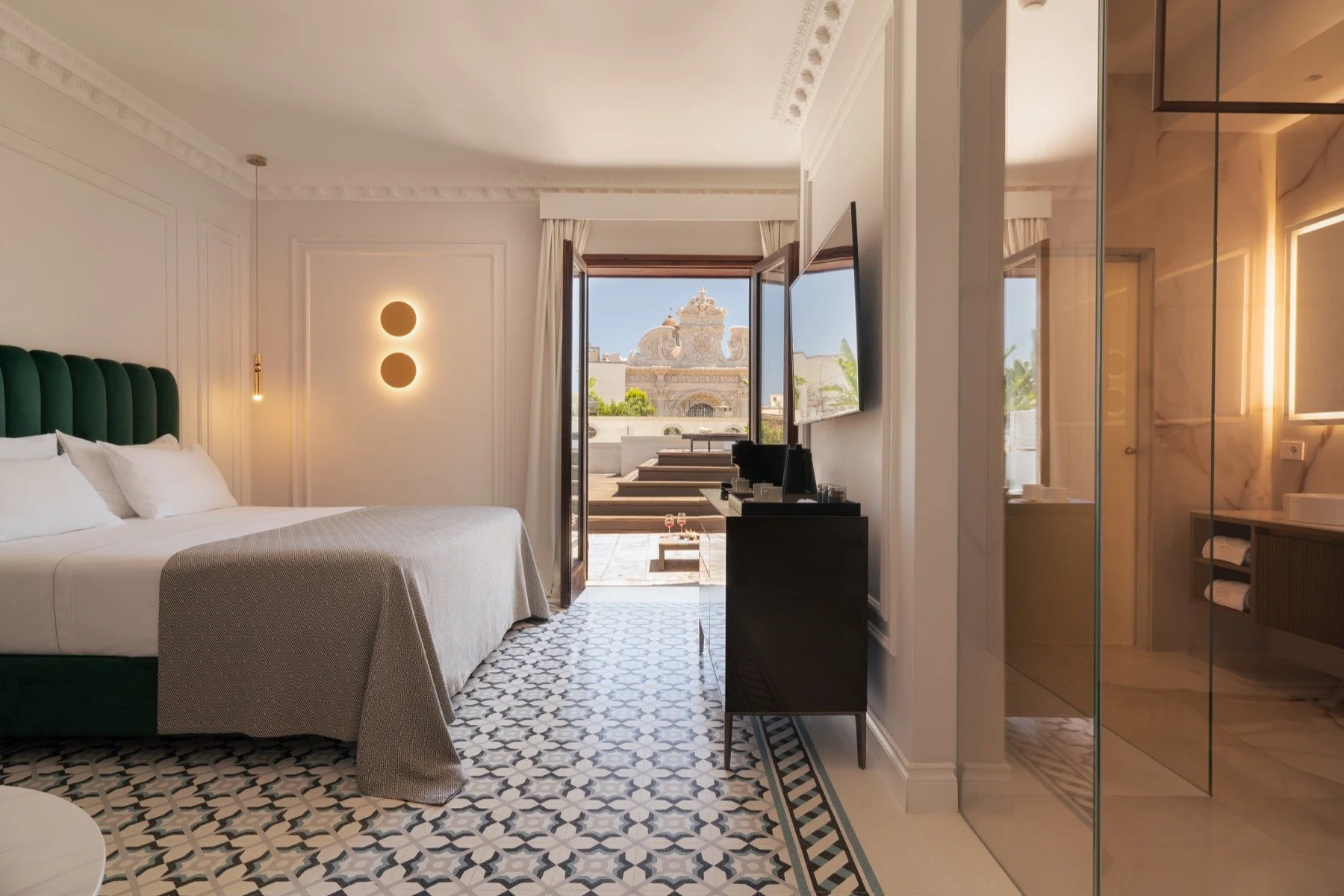
Photo credit: Patria Palace
The Salento Coast: Otranto and the Maldives of Salento
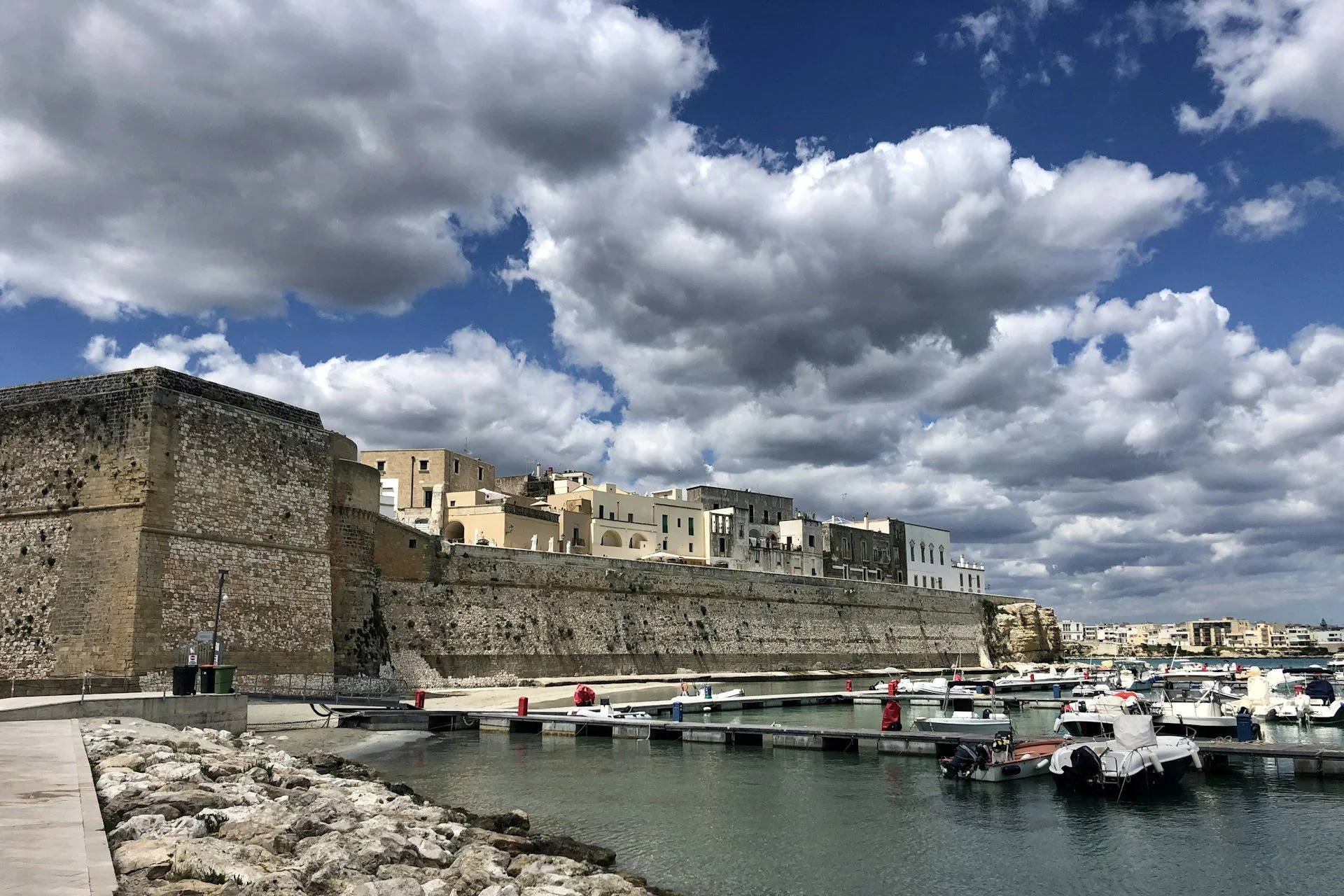
Less than an hour from Lecce, the land runs out at Otranto, the most easterly town in Italy and for centuries its front door to the East. On Dragonfly Tours’ Byzantine Otranto and the Textiles of Salento day, a guide walks your clients along the sea walls and into the cathedral, whose floor is one vast 12th-century mosaic, a tree of life crowded with kings, beasts and Biblical scenes.
Then comes the detail that makes this a Dragonfly Tours day rather than a day trip. In Casamassella, the Le Costantine workshop has been weaving by hand since the early nineteenth century, giving generations of local women a craft and an income of their own. Dior chose its fabrics for a Cruise collection launched in Lecce, and your clients can watch the looms at work and meet the weavers.
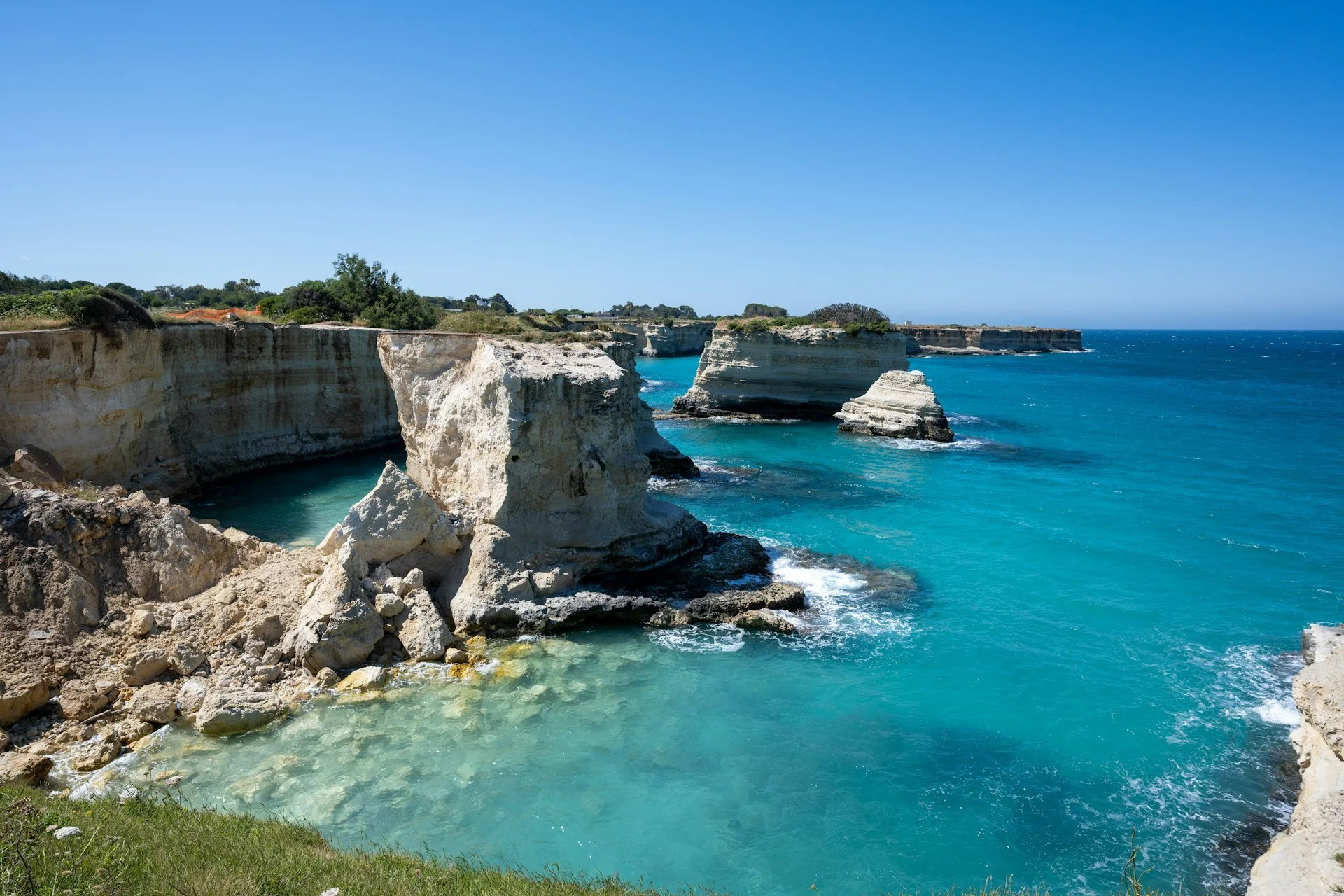
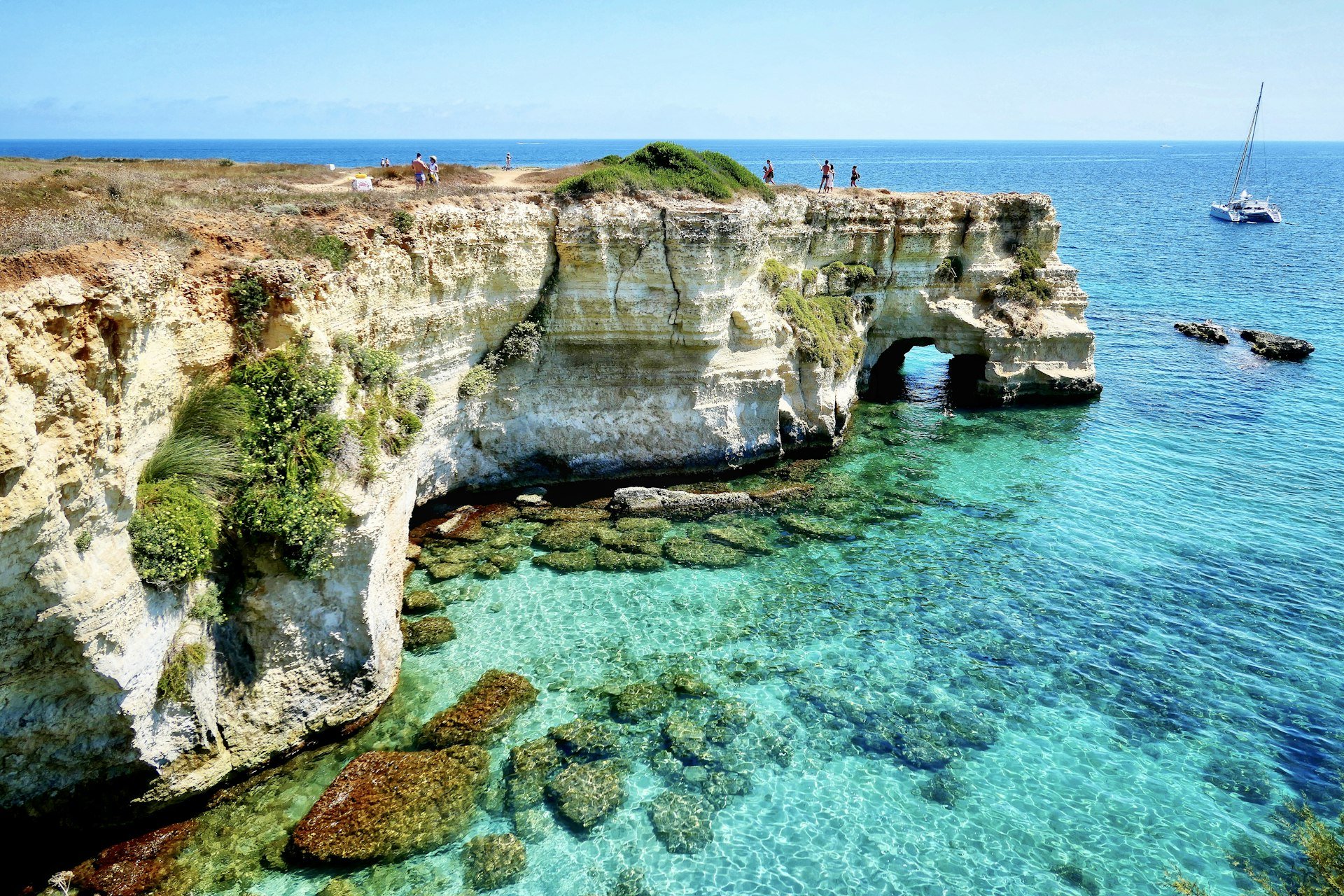
And the sea? The locals call the beaches south of here the Maldives of Salento, and the comparison is only a slight exaggeration. The best way to see them is from the water: Dragonfly Tours’ Salento boat experience cruises the coastline past sea caves and limestone cliffs, stopping to swim wherever the water is clearest.
The Itria Valley: Olive Oil, White Towns and Trulli
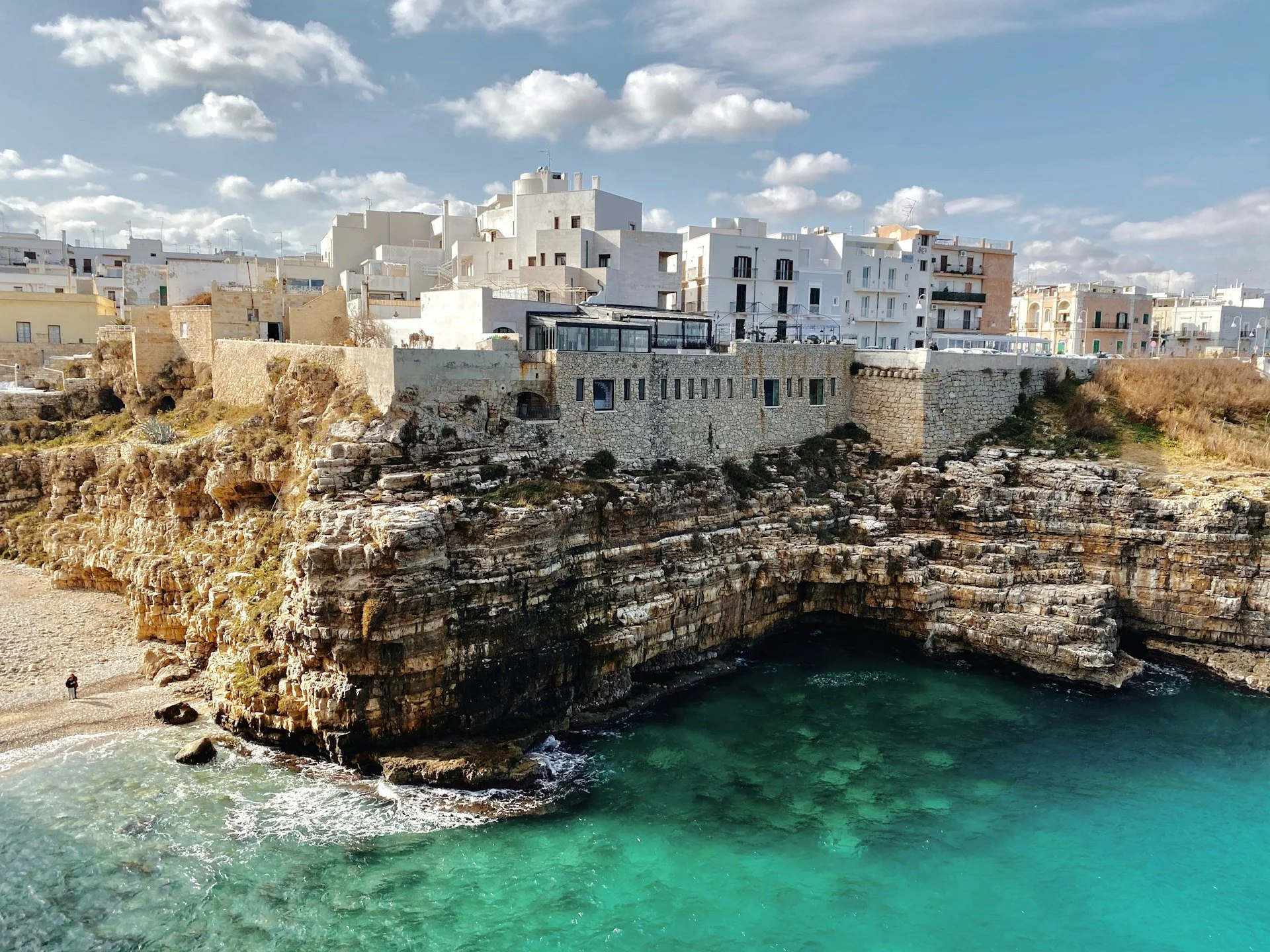
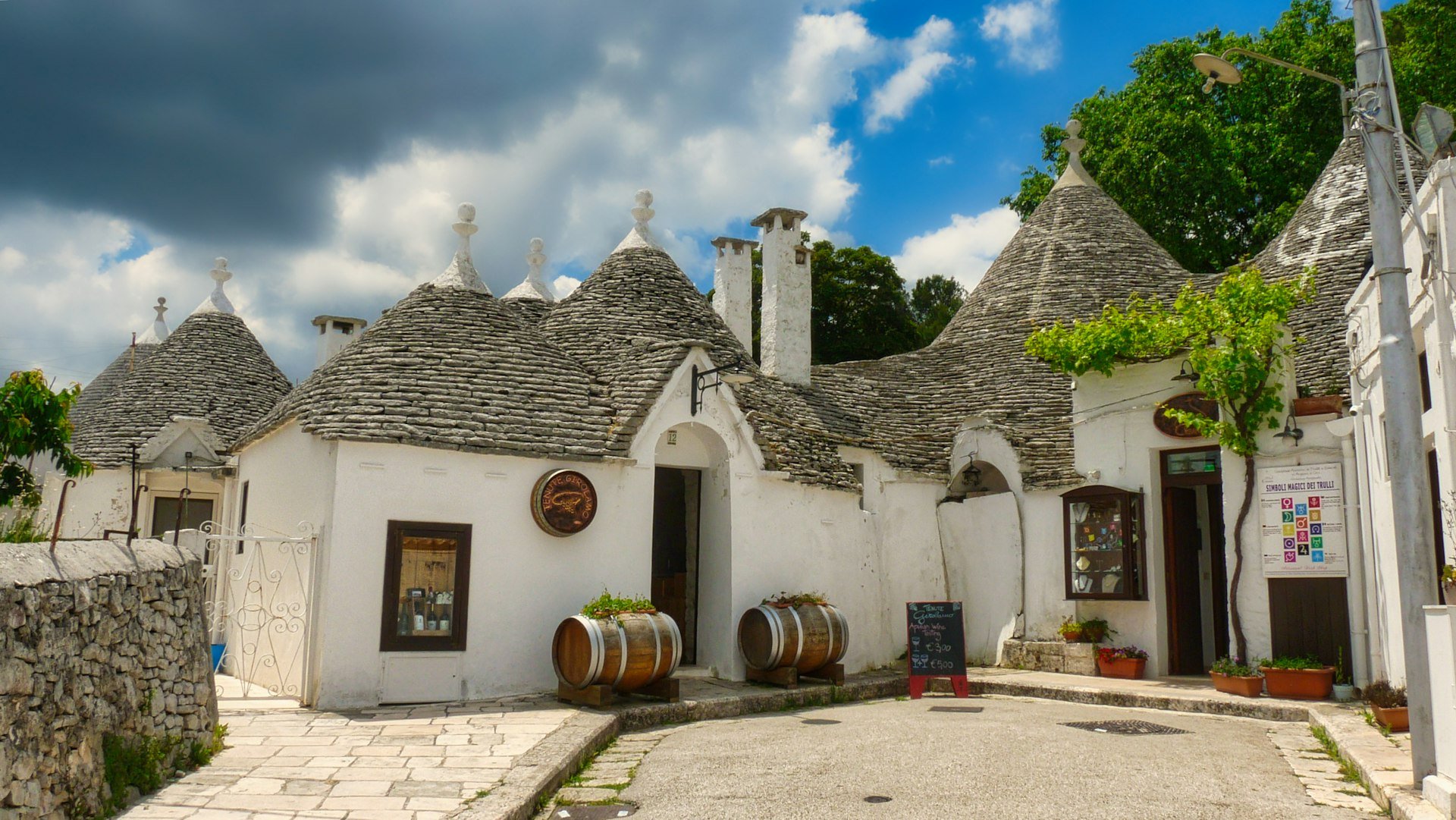
Head north and the landscape changes completely. Dry-stone walls, silver olive groves and the cone-roofed trulli that exist nowhere else on earth: this is the Puglia of the postcard, and it is far better in person.
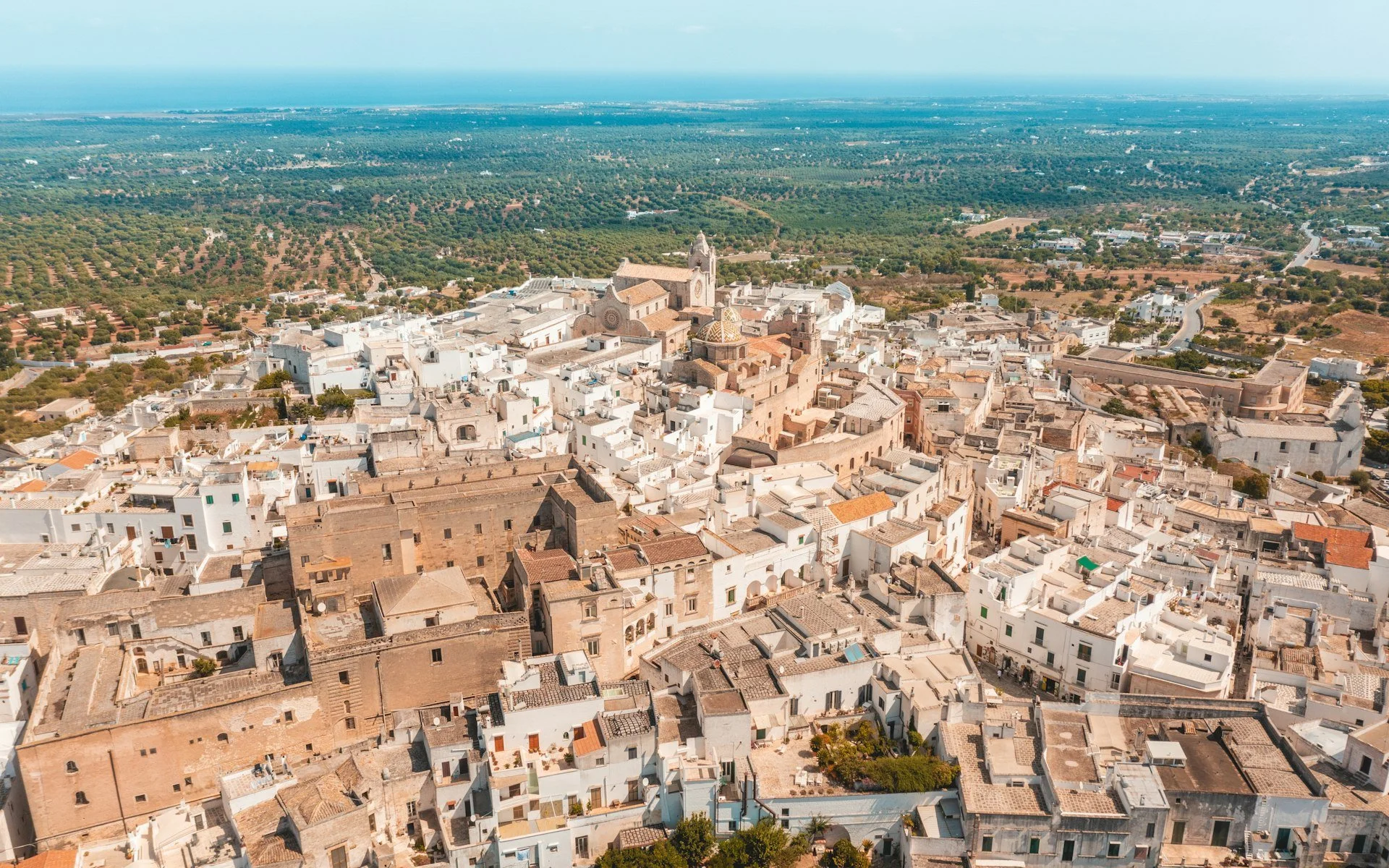
Dragonfly Tours open the valley through its lifeblood: an olive estate near Fasano, its groves and mill, and a tasting with a guide who can explain why this oil is grassy and that one peppery. Then on to Ostuni, the white city, a labyrinth of whitewashed alleys on its hilltop above the sea, and to Alberobello, where more than a thousand trulli crowd together in a UNESCO-listed cluster, visited in the afternoon once the day-trippers have gone.
The days that linger longest are the personal ones. A walk through the woods of a family estate ends with a wine tasting led by the owner. A day in Martina Franca, all Baroque palazzi and washing lines, continues to Grottaglie, whose ceramics quarter has fired pottery for centuries. And Apulian Luminarie: A Handcrafted Tradition takes your clients into the workshop of the craftsmen who build the region's festival lights by hand, an experience very few visitors ever see.
Where to stay in the Itria Valley
To sleep in a trullo, Le Alcove offers restored trulli suites in the heart of Alberobello, while Leonardo Trulli Resort sits in the countryside near Locorotondo, with a pool, wellness and an organic restaurant.
For the masseria experience, Dragonfly Tours favour family-owned estates. Masseria Montenapoleone is family-run and intimate, set among ancient olive trees; Masseria Torre Coccaro, near Savelletri, adds a private beach and a spa. And for clients who want the grand end of Puglia, there is Masseria Torre Maizza, among olive groves near the Adriatic, and the iconic Borgo Egnazia, built as a Puglian village, with its Il Riccio beach club on the sea.
[IMAGE PAIR: Itria Valley hotel photos, to come (Le Alcove, Leonardo Trulli or the masserie)]
Matera: The City Carved from Stone
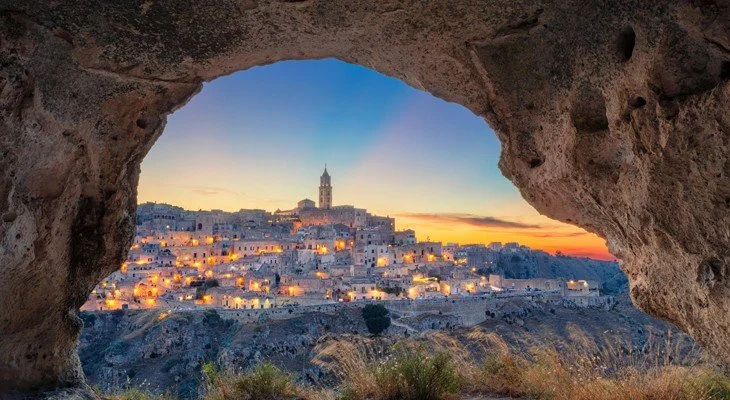
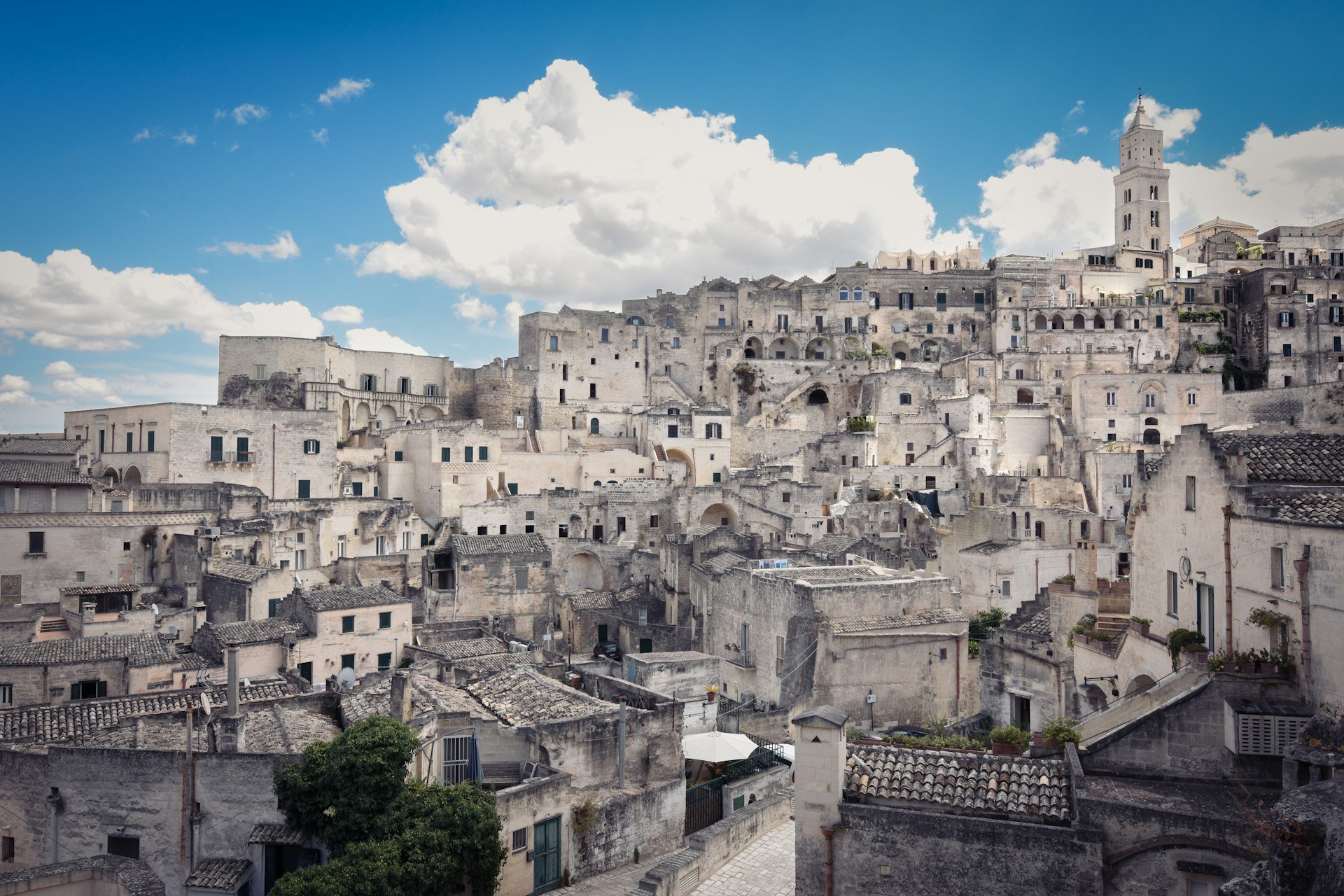
Cross into Basilicata and the road arrives, without warning, at the lip of a ravine. Stacked up the cliff opposite are the Sassi of Matera: cave dwellings cut into the limestone and lived in for thousands of years. Once a byword for poverty, now a UNESCO World Heritage Site, Matera is like nowhere else in Italy, or anywhere.
Dragonfly Tours’ day begins aboard an Ape Calessino, the three-wheeled Italian runabout, through lanes no car can reach, with a stop for Matera's famous bread, crusty and golden, eaten warm at a historic bakery. Then comes the highlight: a cooking class and lunch inside an ancient olive mill hewn from the rock of the Sassi, learning the recipes of Basilicata in the rooms where oil was once pressed.
Matera works as a day from the Itria Valley, less than ninety minutes away. But for clients who want the full effect, the night is the point. Sleeping in the Sassi and walking its lanes after the day visitors have gone is one of the most memorable nights Italy can offer.
Where to stay in Matera
Sant'Angelo is a five-star albergo diffuso spread through the Sassi itself, its rooms carved into the rock and its terraces looking across the ravine. Vetera Matera, a Relais & Châteaux property, is woven into the historic fabric of the city, with a spa and views that stop conversation.
[IMAGE PAIR: Matera hotel photos, to come (Sant’Angelo or Vetera Matera)]
How It Fits Together
Dragonfly Tours’ classic southern itinerary runs eight days from Bari: three nights in Lecce for the city, Otranto and the coast, then four nights at a masseria in the Itria Valley, with days for the trulli towns, the olive estate and Ostuni, and a full day in Matera. Add a night in the Sassi and a day on the boat and it stretches comfortably to ten or twelve.
It also pairs well with the icons. Puglia sits three hours from the Amalfi Coast and a short flight from Rome, so it can be the second week that turns a repeat visit into a discovery.
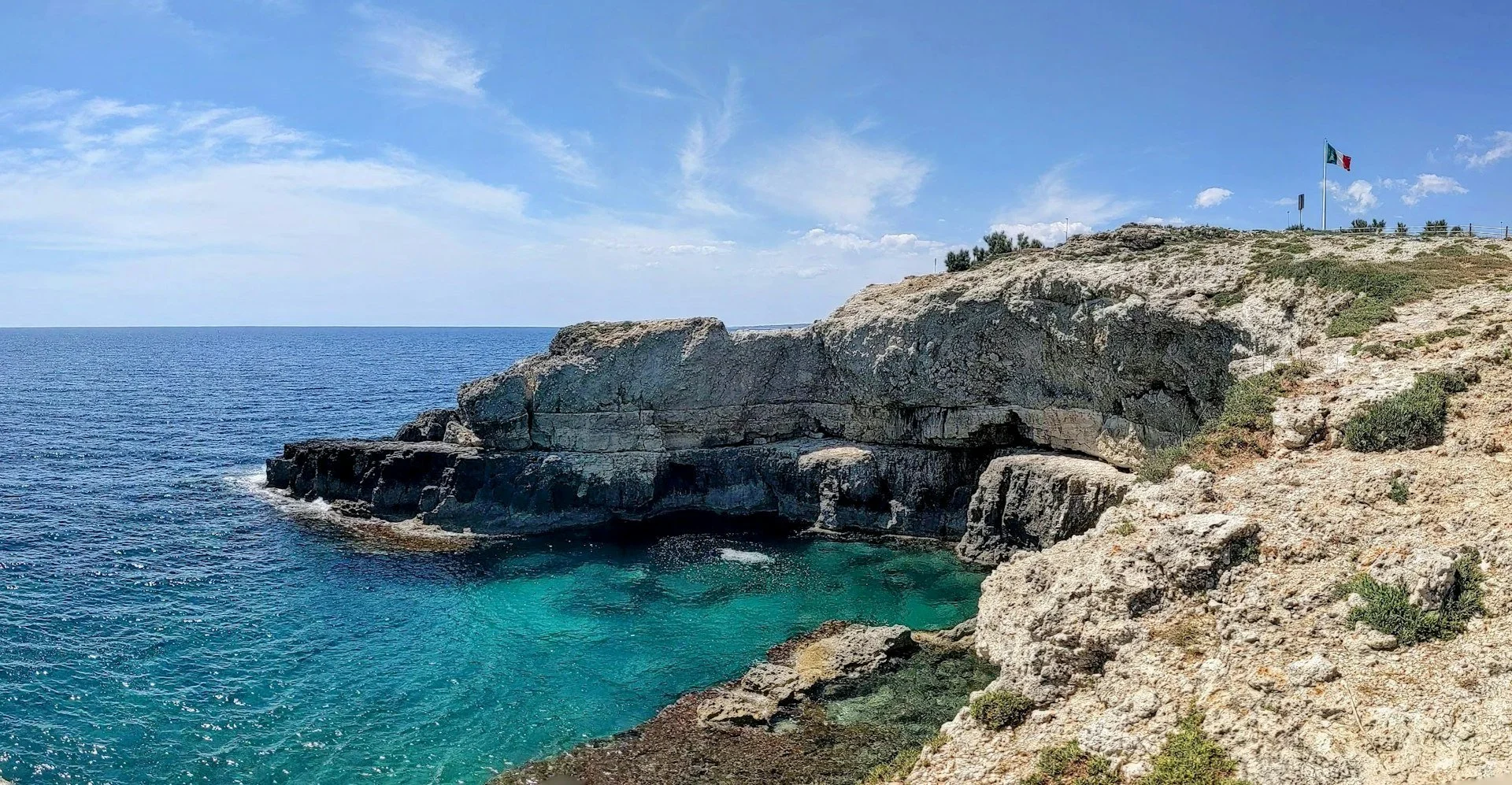
Photo credit: Hotel Canne Bianche
A Different Italy, Not a Lesser One
What makes Puglia and Matera work is not only the places. It is the people who open them: the weavers at Le Costantine, the owner who walks your clients through the family woods, the cook in the old olive mill, the guide who knows to arrive in Alberobello after three. These are relationships Dragonfly Tours have built over fifteen years, and they turn a region that is easy to visit into one that is impossible to forget.
Every region of Italy has its own character. Puglia's is warm, unhurried and rooted in the land, and for the right client it is the Italy they will talk about most.
Frequently asked questions
Is Puglia worth visiting if clients have already seen Italy?
Yes. Puglia is a different Italy from Venice, Florence, Rome and the Amalfi Coast, an Italy of farms, fishing ports, Baroque towns and cucina povera. For returning clients it offers the same warmth and beauty with a new culture to meet.
How many days do you need for Puglia and Matera?
Dragonfly Tours' classic southern itinerary runs eight days from Bari, with three nights in Lecce and four at a masseria in the Itria Valley, plus a full day in Matera. Adding a night in the Sassi and a day on the boat stretches it comfortably to ten or twelve days.
Can you visit Matera from Puglia?
Yes. Matera sits just across the border in Basilicata, less than ninety minutes from the Itria Valley, so it works as a day trip. Staying a night in the Sassi, at a cave hotel such as Sant'Angelo or Vetera Matera, lets clients see the city after the day visitors have gone.
Where do luxury travellers stay in Puglia?
In Lecce, restored palazzi such as Palazzo Bozzi Corso and Patria Palace. In the Itria Valley, trulli suites at Le Alcove or family-owned masserie such as Masseria Montenapoleone and Masseria Torre Coccaro, with Masseria Torre Maizza and Borgo Egnazia at the grand end.
Love to learn more about bringing Puglia and Matera to your clients? Get in touch today for an introduction to the Dragonfly Tours Italy team.
