
Cities with Stories: Cultural Immersion in Jaipur, Chiang Mai and Lecce

Three cities, three exceptional DMCs, one way of experiencing a destination that changes everything…
What’s in this Article
We explore what it means to experience a city at a deeper level, bypassing the obvious to step into the living culture that shapes daily life, tradition and identity.
We discover Jaipur with Anecdotes, where the real story of the Pink City lies not in its palaces but in its artisans: the block printers of Bagru, the jewellers of the old city and the families whose homes become the setting for the most memorable meals.
We experience Chiang Mai with Tripseed, where Lanna heritage, street food culture and living craft traditions come together in a city that rewards those willing to look closer.
We explore Lecce with Dragonfly Tours, discovering a southern Italian city whose Baroque architecture, cartapesta craft tradition and deeply local food culture make it one of the most characterful destinations in the country.
We share two standout stays in each destination; handpicked for how perfectly they mirror the cultural fabric of their city.
And we consider how the right DMC partner transforms a city visit from a tour into something altogether more personal - an experience shaped by access, relationships and unbeatable local understanding.
The City behind the City
The real story of a city is rarely the one most visitors experience - the landmarks, the well-worn routes, the restaurants that appear on every list. But there's always another, more local layer underneath, revealing a wealth of tales about a place's culture, heritage and heart.
These layers are found in the workshop tucked behind the main bazaar, where artisans practise the traditions their grandparents taught them.
They're in the neighbourhoods the tourist trail bypasses, where the food is better and the welcome is warmer. And they're in the rituals that happen at dawn before the visitors arrive, or the community gathering that no guidebook would know to mention.
They're not the kind of experiences that appear on a standard itinerary; they're the ones which appear when someone in the know shares them with you.
And so, in this piece, three of our specialist DMC partners - Anecdotes (India), Tripseed (Thailand) and Dragonfly Tours (Italy) - show us exactly what's possible when the people taking you through a city have spent a lifetime learning the stories that tell what it's really made of.
Our first stop? We head to Jaipur, a city of artisans, architects and extraordinary colour…
Jaipur, India: The Living Craft of the Pink City, with Anecdotes
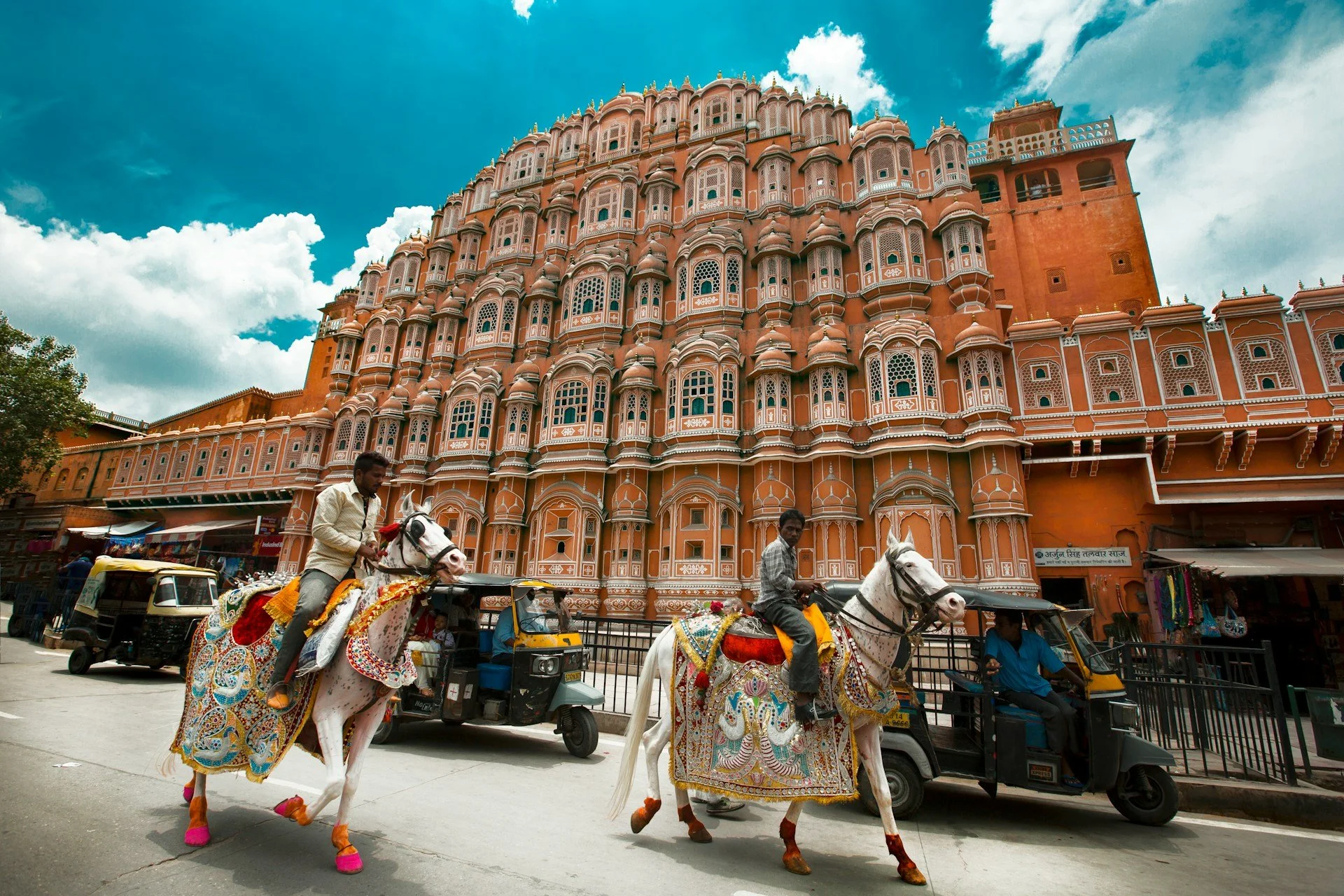
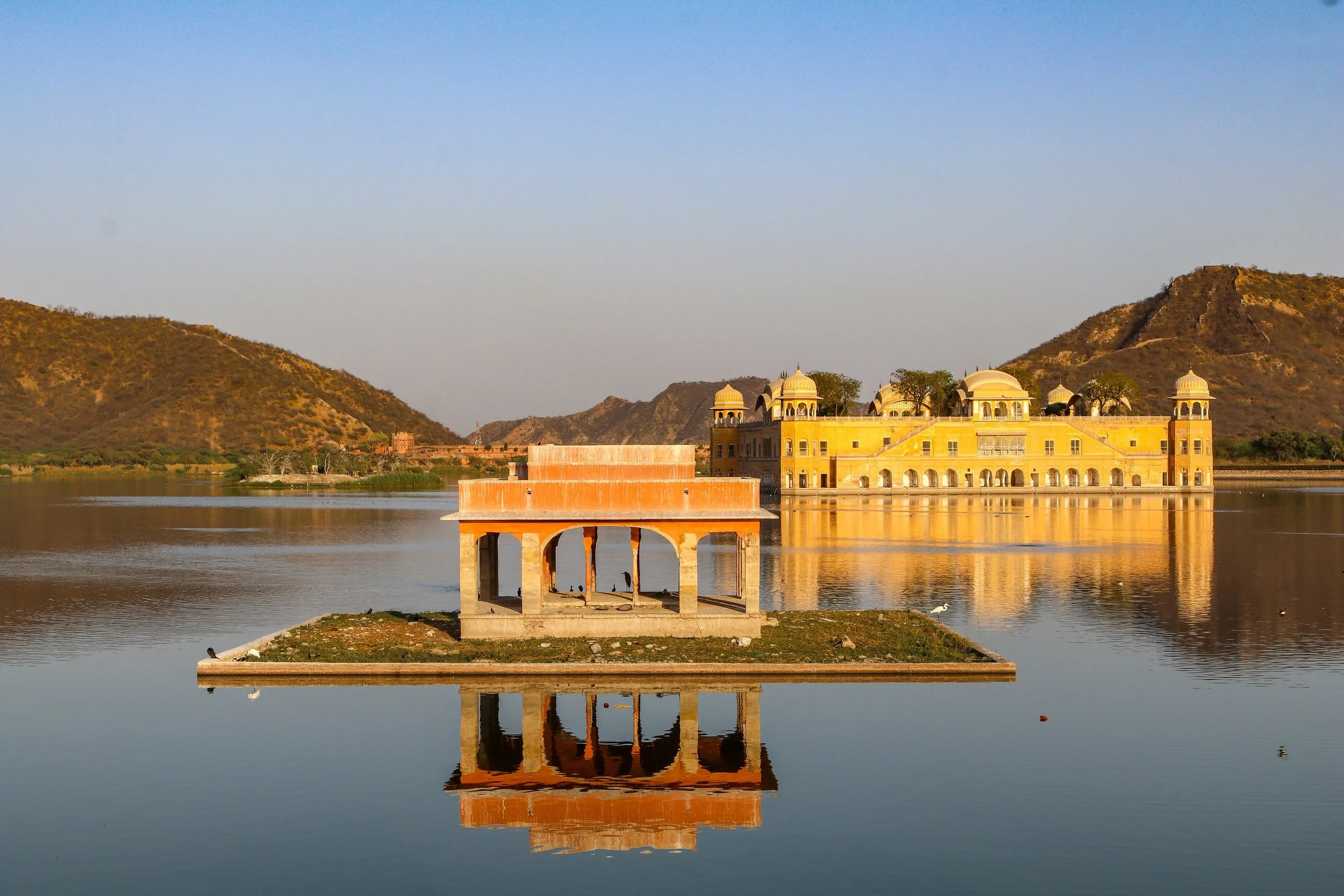
When travellers think of Jaipur, its imagery arrives fully formed - the Hawa Mahal's pink latticed facade, the Amber Fort against the Aravalli hills, the Jantar Mantar rising from the heart of the old city like a collection of giant sundials frozen in time.
But Anecdotes have built their approach around a different proposition: that the city's most intriguing stories aren't found in its architecture alone, remarkable though that is, but in its living traditions - the artisan communities that have shaped Rajasthan for centuries and still practise their crafts today, the food that carries the memory of the city's royal kitchens, the bazaars where culture is a daily practice rather than a preserved exhibit.
Block Printing in Bagru and Sanganer
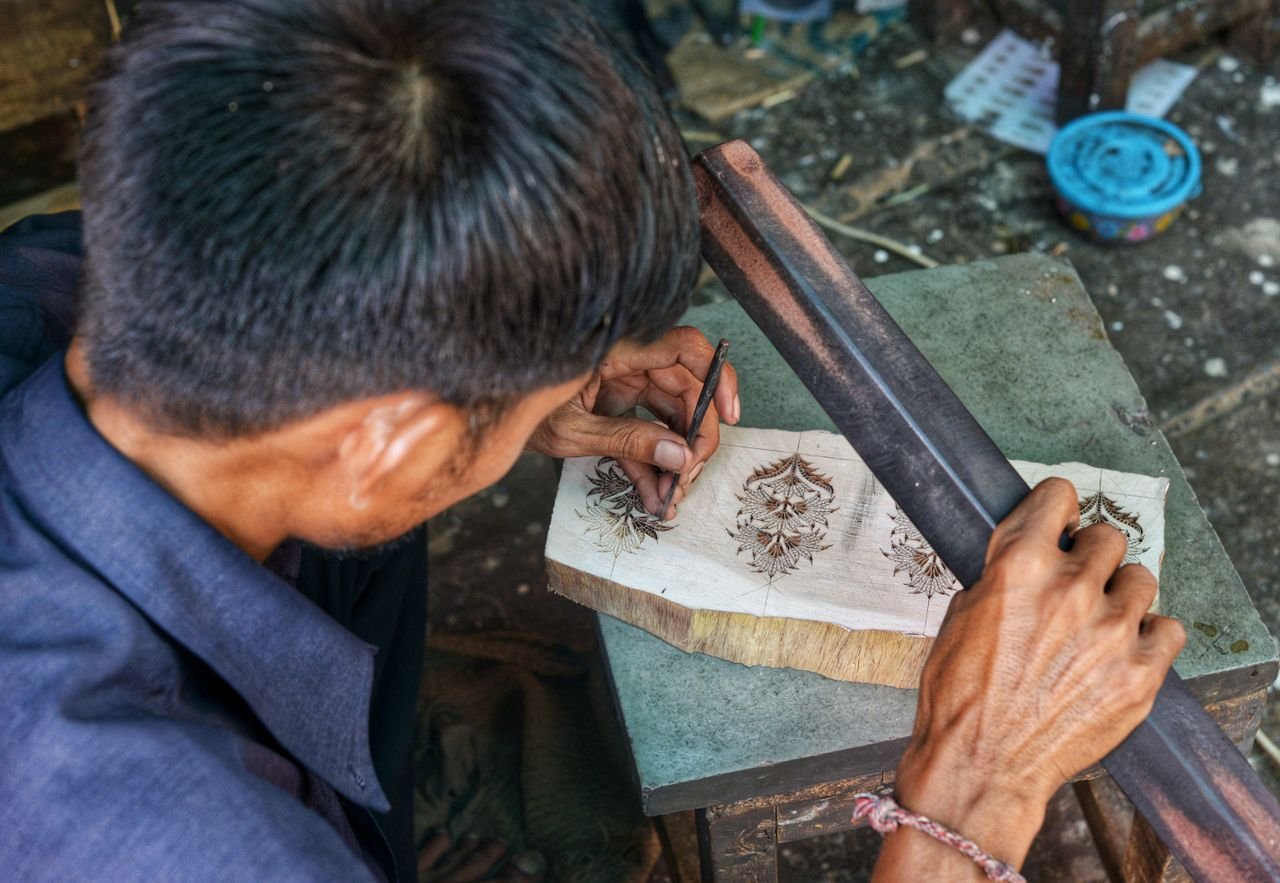
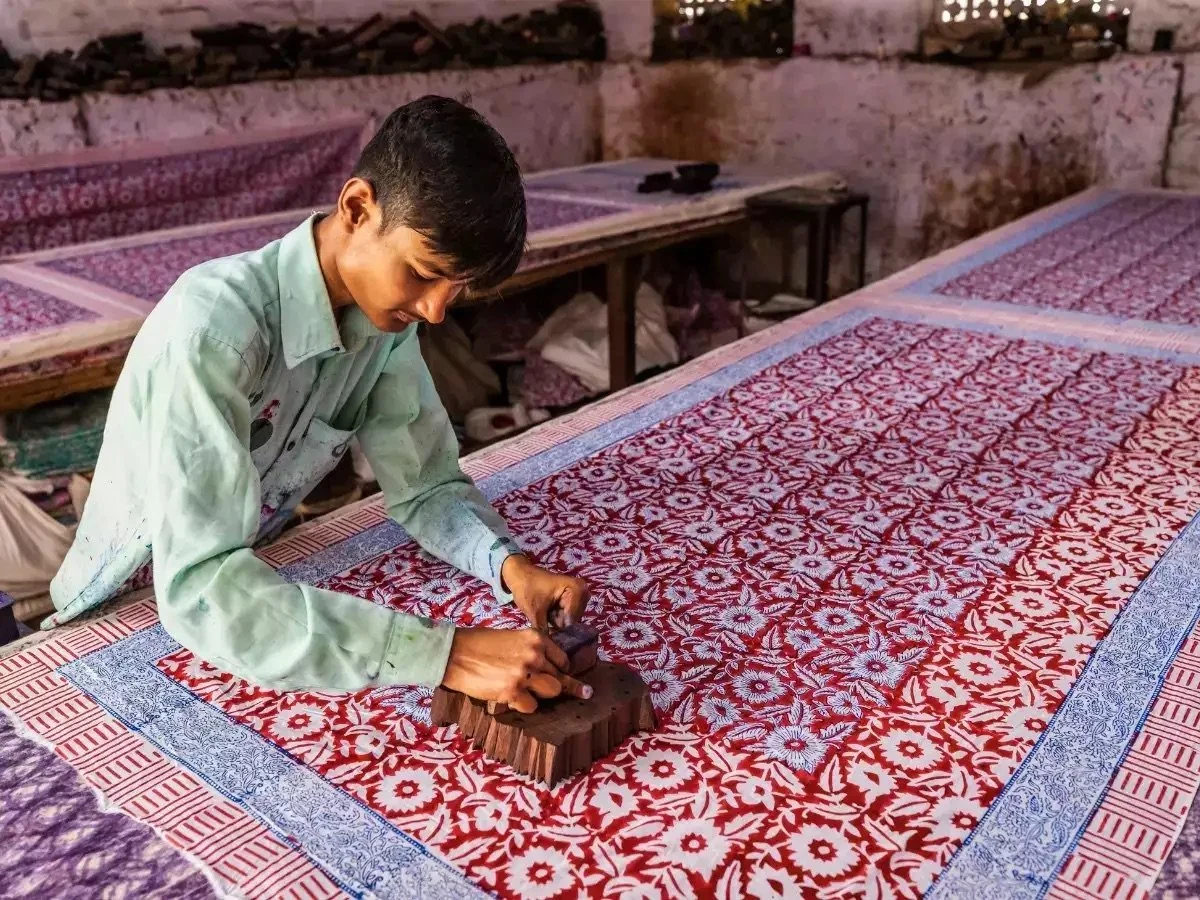
On the outskirts of Jaipur lie two villages producing block-printed textiles for generations: Bagru, known for earthy natural dyes and bold geometric patterns, and Sanganer, famed for finer floral work in white and pastel tones.
With Anecdotes, guests visit the workshops where this craft still happens by hand - meeting the artisans, watching the rhythms of the process and leaving with a real story to tell about the fabrics they take home.
Artisan and Jewellery Trails through the Old City
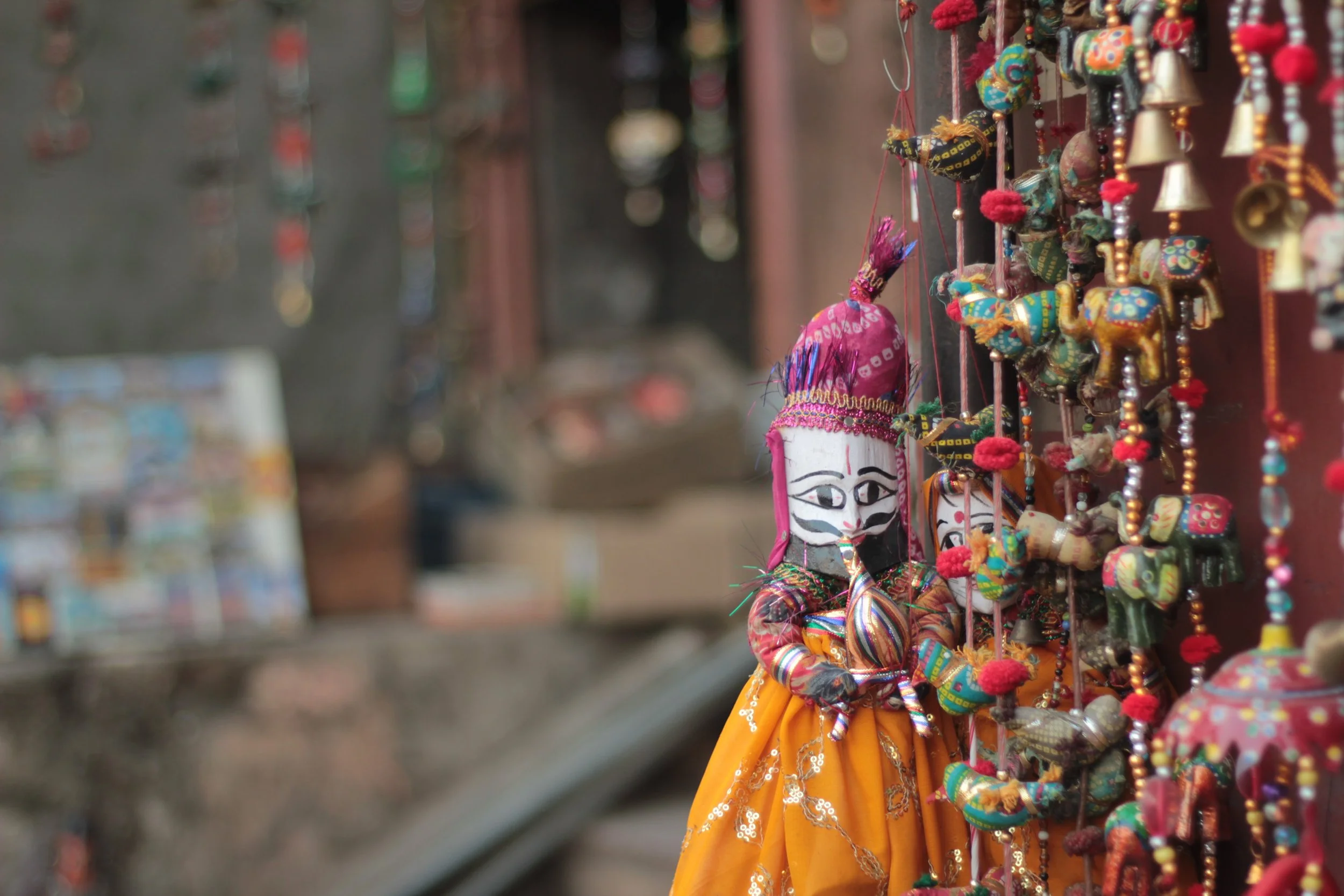
Jaipur has been a centre of jewellery making since the 18th century - a heritage very much alive in the old city's bazaars today.
Anecdotes offer the kind of context that transforms a city walk: which workshops still practise traditional techniques, which craftspeople are third or fourth generation, how the city's jewellery culture sits within the legacy of Rajasthani royal patronage.
And the trail moves through metalwork, blue pottery and embroidery too, for a complete cross-section of the city's artisan heritage.
Culinary Walks and Home-Hosted Meals
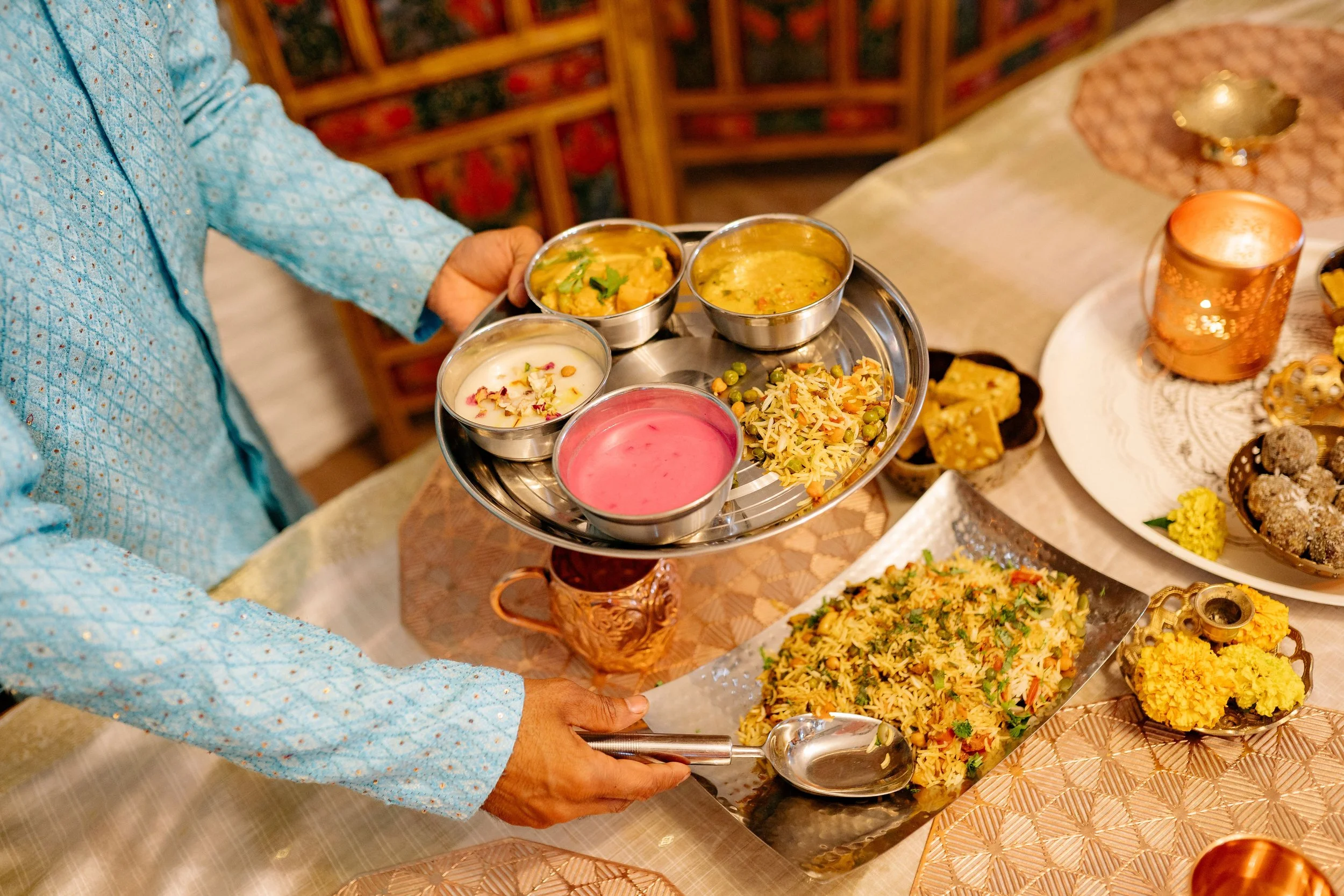
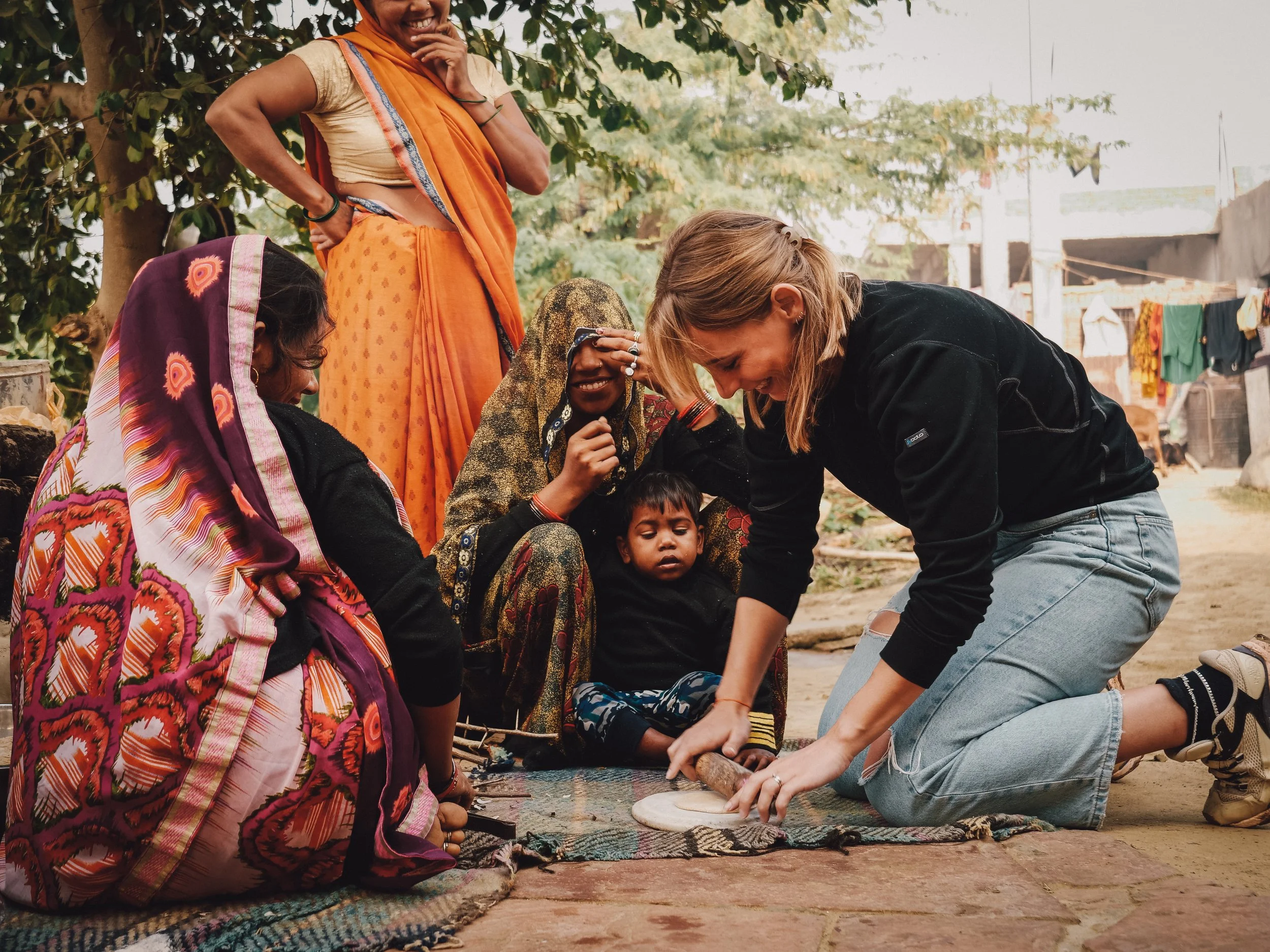
If there's one experience that consistently stands out in Anecdotes' Jaipur itineraries, it's the simplest: eating in someone's home.
A meal hosted by a local family - dishes prepared in a kitchen that has fed the same household for generations - offers an intimacy no restaurant can replicate.
Combined with a culinary walk through the old city's street food stalls and traditional markets, this is a window into everyday Jaipur that most travellers never find.
Where to Stay in Jaipur
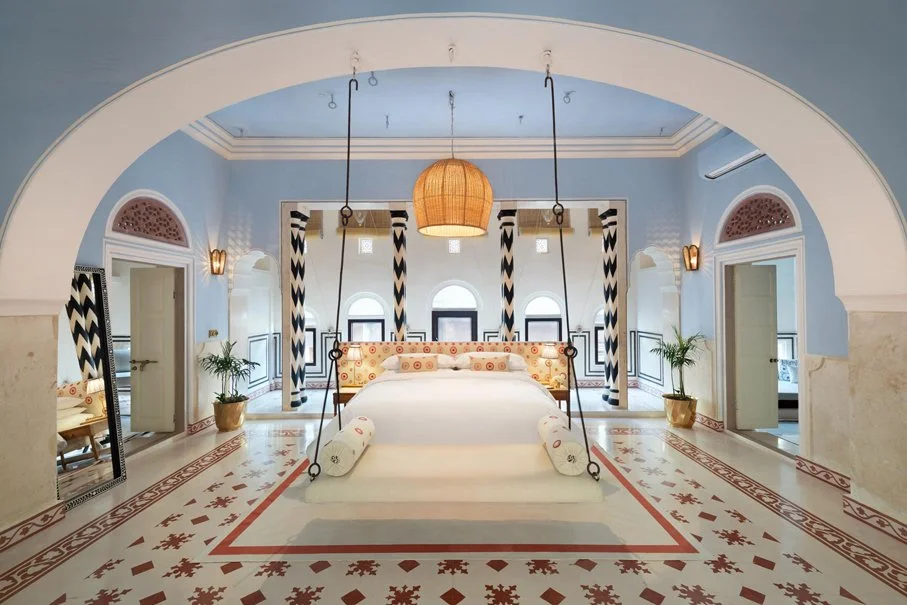
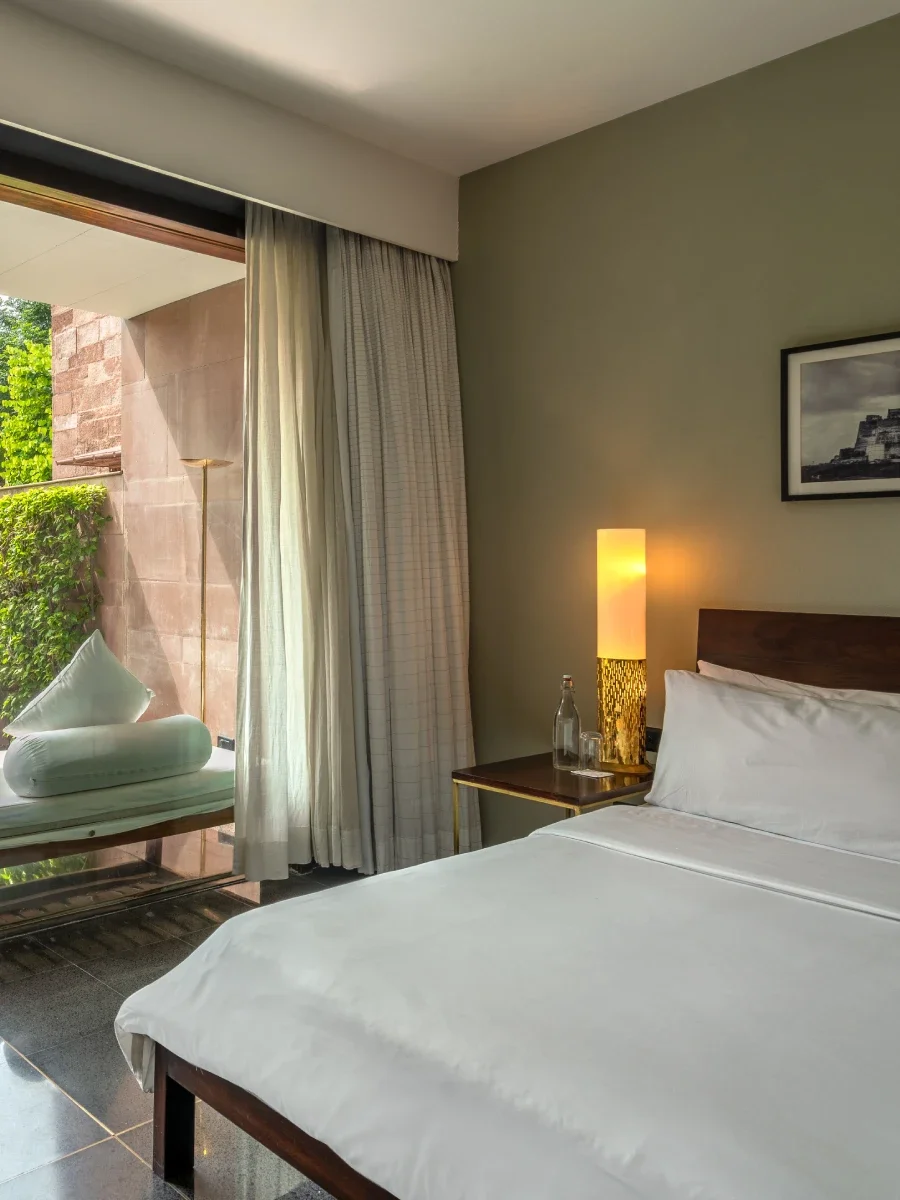
For the most immersive entry into the city's artisan heritage, The Johri is a must.
Tucked down a narrow lane in Johri Bazaar, this 19th-century merchant's haveli once belonged to the Kasliwal family - custodians of the Gem Palace jewellery dynasty since the 1500s. Its eight suites are each named after a precious stone and decorated accordingly, with local artisans commissioned for everything from the marquetry vanities to the hand-embroidered headboards and the restaurant - a Condé Nast Top Restaurant three years running and listed among the World's 50 Best Hotels in 2025 - serves a seasonal vegetarian menu of extraordinary quality.
Or, for the full immersion of a royal palace stay, RAAS Rajmahal Palace delivers exactly that.
Home to Maharajahs and Maharanis, host to Queens, First Ladies and Lords, its meticulous restoration preserves the original marble staircase, crystal chandeliers and family heirlooms while reimagining the interiors in hot pink, emerald green and rich velvet - with a turquoise Polo Bar, an art deco pool fringed by 100,000 square feet of garden and royal Jaipur thalis in the restaurant.
A stay that feels, rather wonderfully, like being a guest in someone's magnificent life.
Chiang Mai, Thailand: Lanna Culture, Living and Breathing, with Tripseed
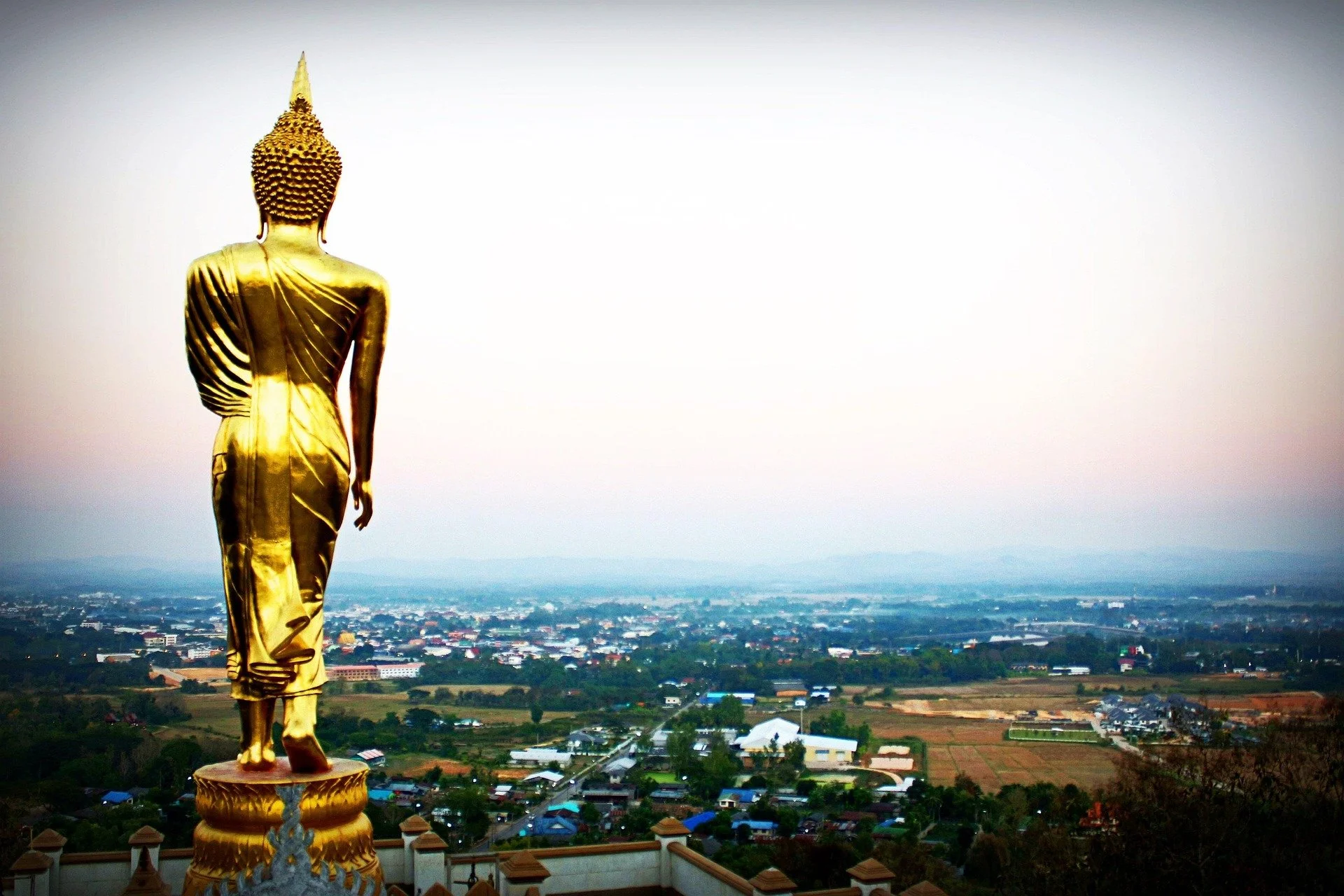
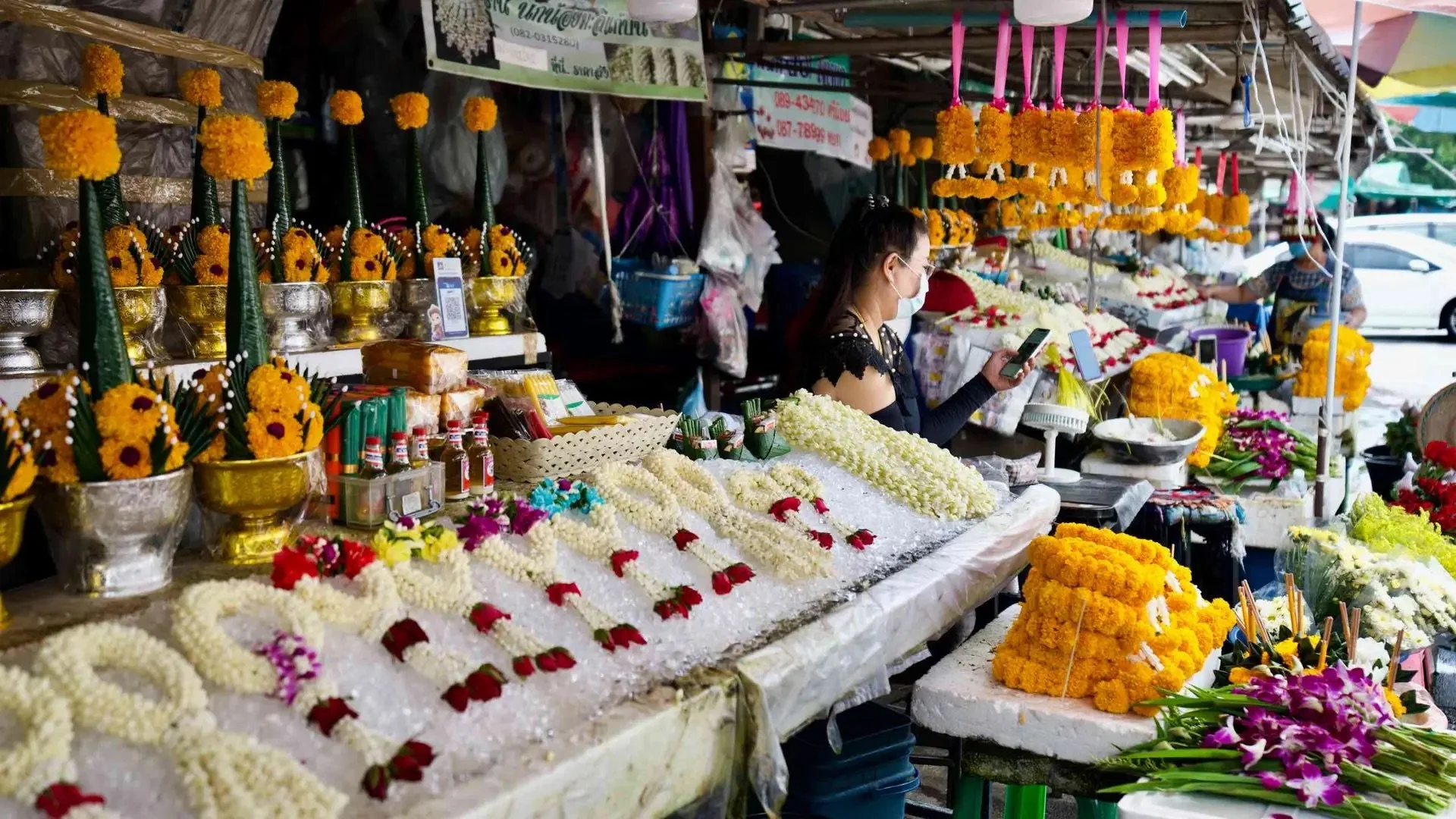
Chiang Mai is a city written about extensively - but rarely, we find, described properly.
The versions that circulate tend to emphasize either the temples or the street food scene, both of which are exceptional but too often treated as the whole story.
What gets less attention is the city's living cultural identity: the Lanna heritage shaping its architecture, cuisine and craft traditions, and the daily rhythms of a city that has managed, more than most, to keep its genuine local character intact.
And Tripseed - locally owned, deeply embedded in Thailand's communities - have built their Chiang Mai experiences around discovering exactly this.
Chiang Mai Living Heritage
A day designed around the question of what Chiang Mai's culture actually looks like in practice, beyond the temple circuit, where guests move through the old city's neighbourhoods with guides whose knowledge extends well beyond the historical into the lived - understanding which temples still function as active community centres, which craft workshops preserve traditions genuinely at risk of disappearing, and what the city's relationship with its Lanna past looks like today.
For guests who've visited before and found the standard itinerary didn't give them enough, this is the encounter that changes their understanding of the city entirely.
Culinary Chiang Mai: Two Approaches
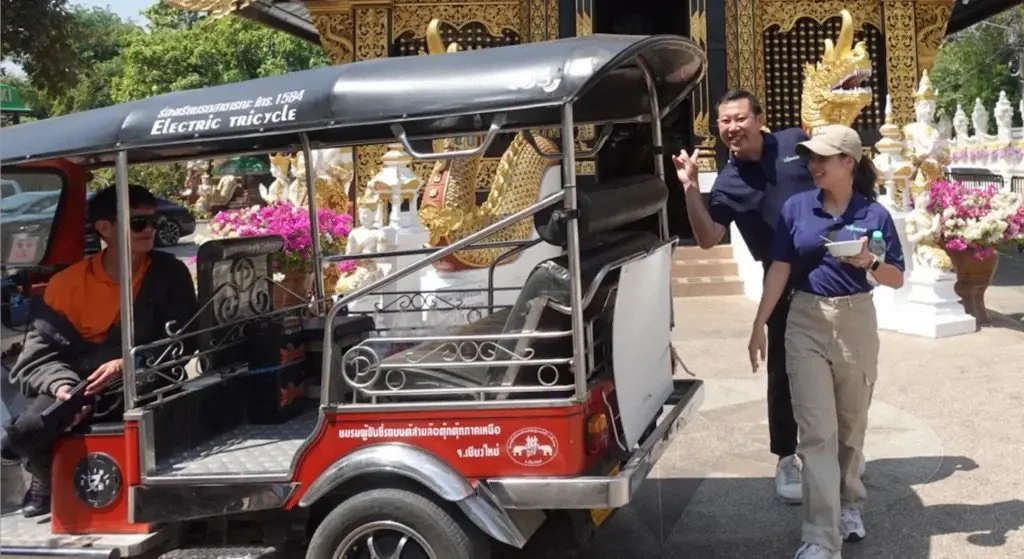
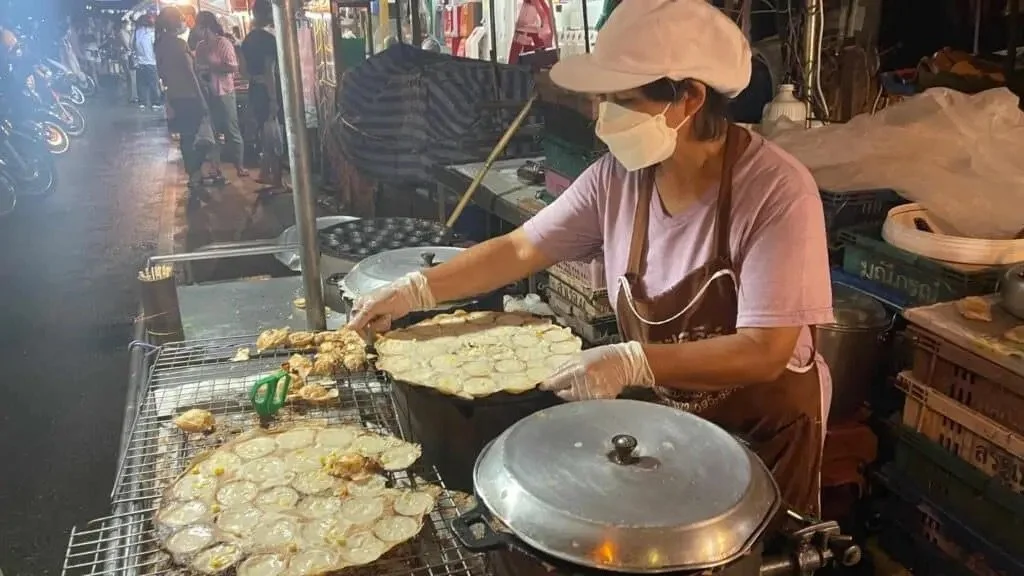
For food-focused clients, Tripseed offer two distinct routes in.
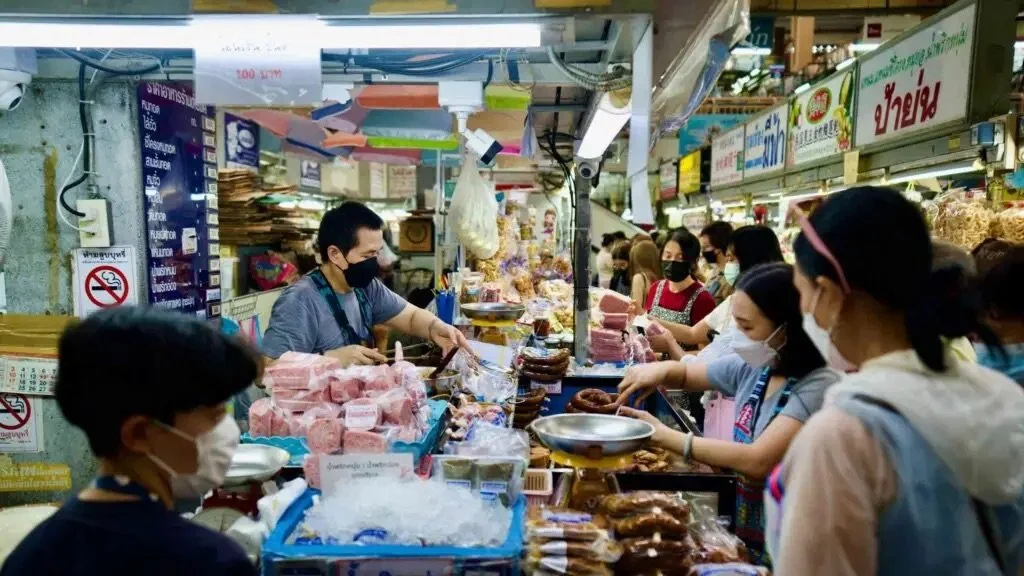
The Chiang Mai Culinary Experience by Electric Tuk Tuk moves between local markets, specialist producers and neighbourhood restaurants at a pace that allows real engagement - quiet enough for proper conversation between guests and guide, and low-impact in a city that takes its environmental responsibilities seriously.
Meanwhile, the Street Eats experience offers the same approach after dark, when the street food scene comes fully into its own and the city shifts into a completely different register.
For guests whose cultural curiosity runs through their appetite, either experience stays in the memory for all the right reasons.
Where to Stay in Chiang Mai
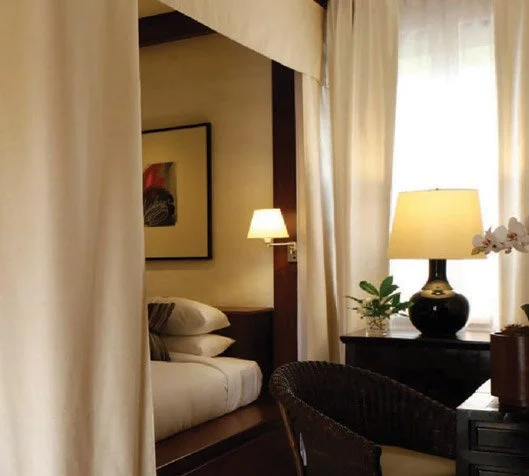
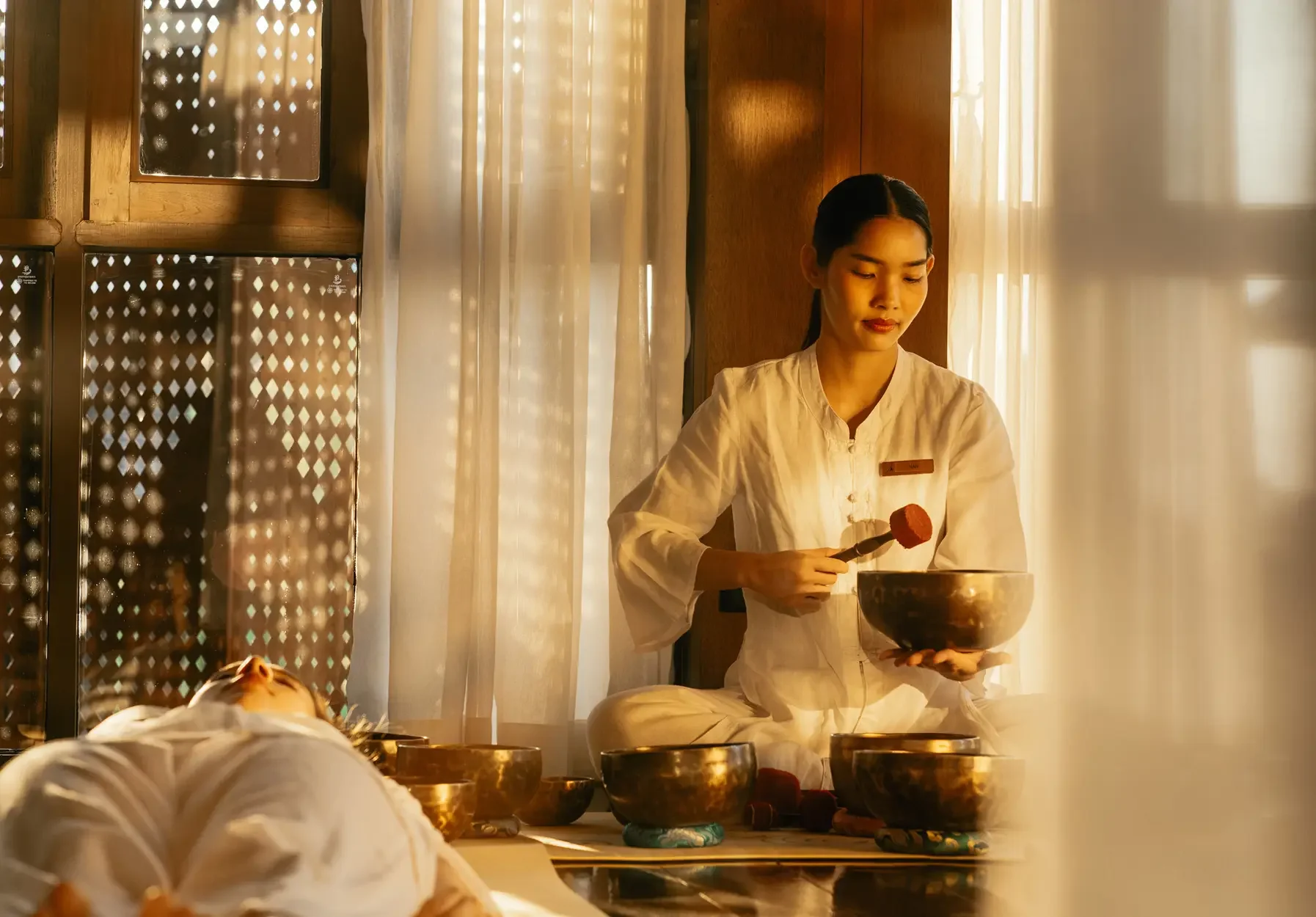
For travellers seeking a deeper connection to Chiang Mai's cultural heritage, Rachamankha offers a peaceful retreat within the heart of the Old City.
Located just steps from Wat Phra Singh, the adult-oriented boutique hotel is inspired by traditional Lanna architecture and was designed by Thailand National Artist Ong-ard Satrabhandhu. Spacious landscaped courtyards, traditional craftsmanship, and a carefully curated collection of Asian antiques create an atmosphere that feels both timeless and distinctly rooted in place.
The restaurant serves Thai cuisine alongside a selection of Asian and Western dishes, with several Northern Thai specialties reflecting the region's culinary traditions. Rather than housing a dedicated gallery, the hotel itself is a living showcase of Lanna architecture, Asian art, and craftsmanship, with occasional collaborations with artists from Chiang Mai University's Faculty of Fine Arts for special cultural performances and events throughout the year.
For something more wellness-oriented, Aleenta Retreat - just outside the city near Wat Umong - trades the old city's intensity for a more restorative setting: a quality spa, excellent dining and a peaceful atmosphere that makes it a natural base for clients who want genuine restoration to balance a culturally full day.
Lecce, Italy: The South's Most Characterful City, with Dragonfly Tours
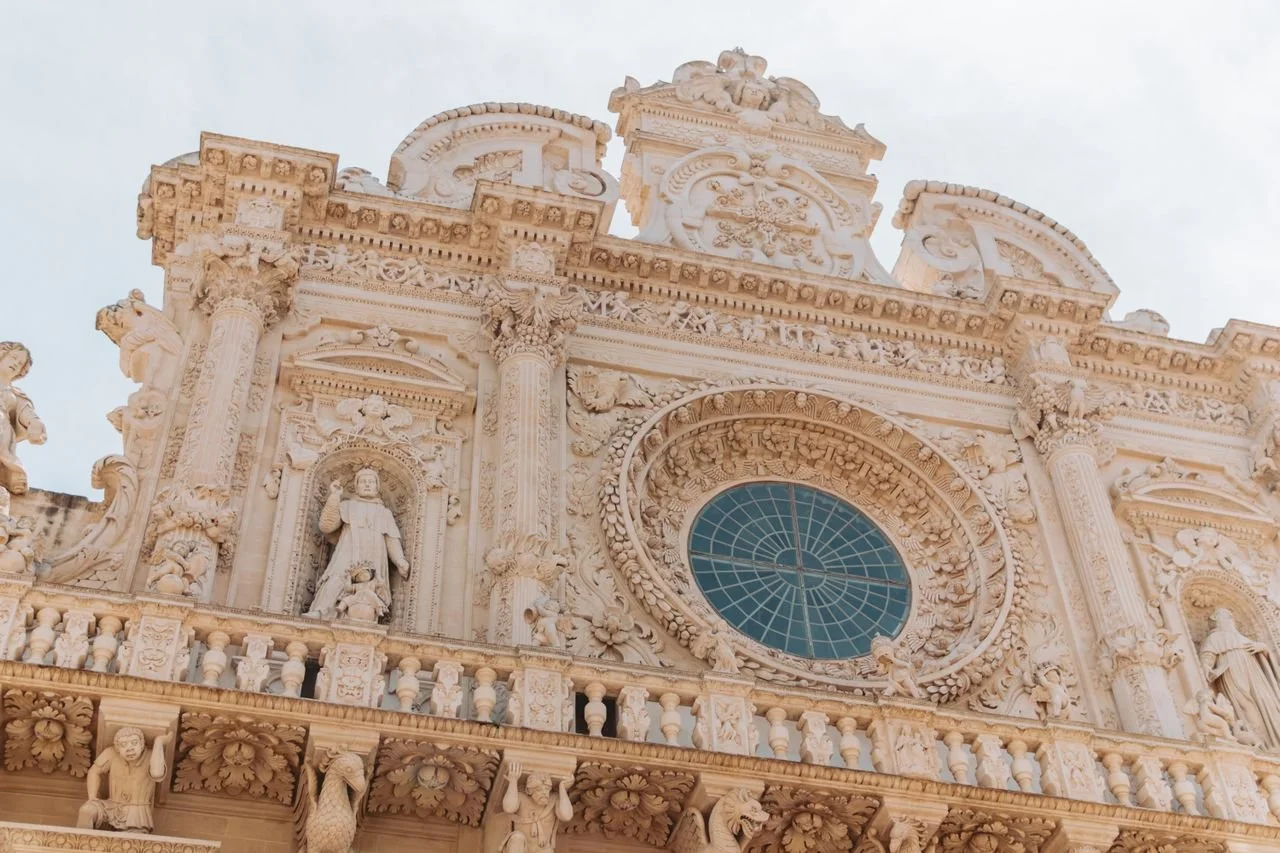
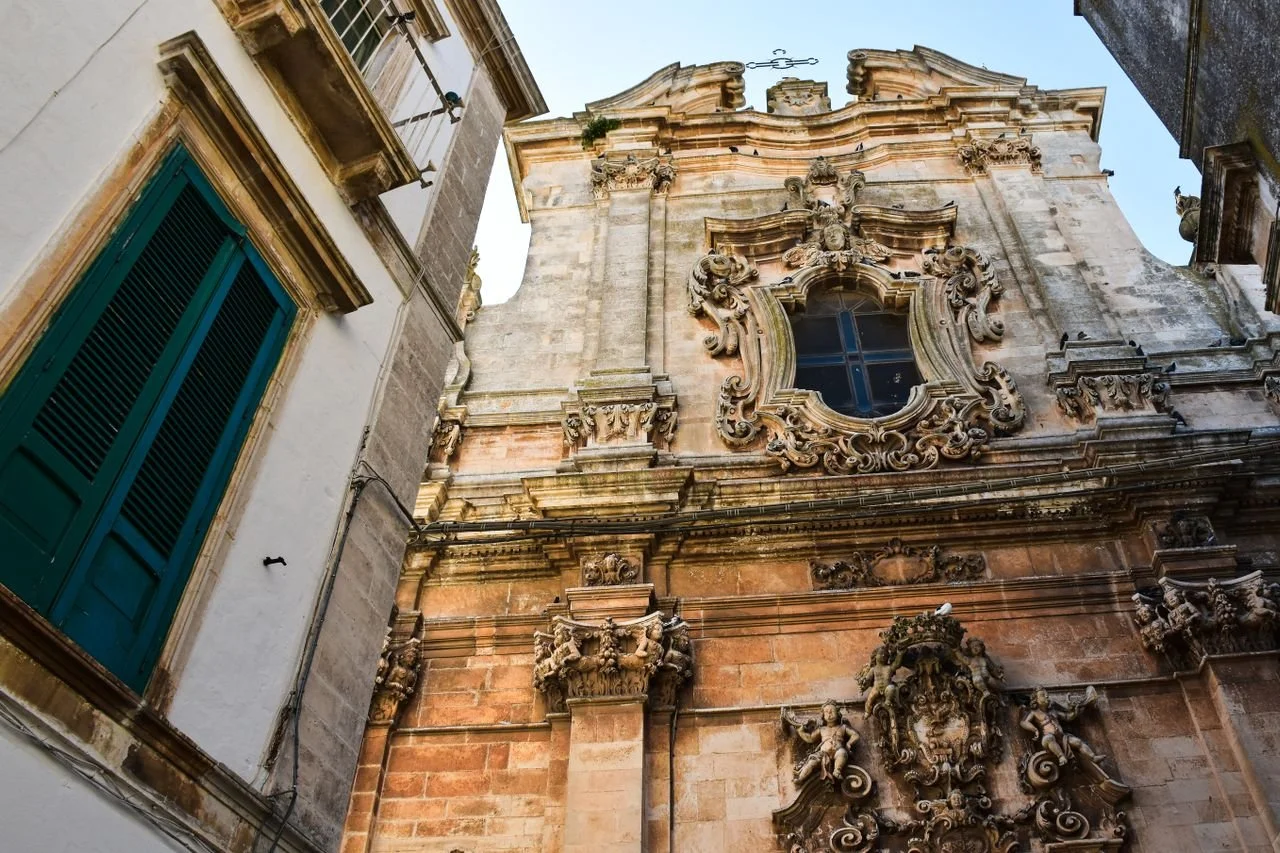
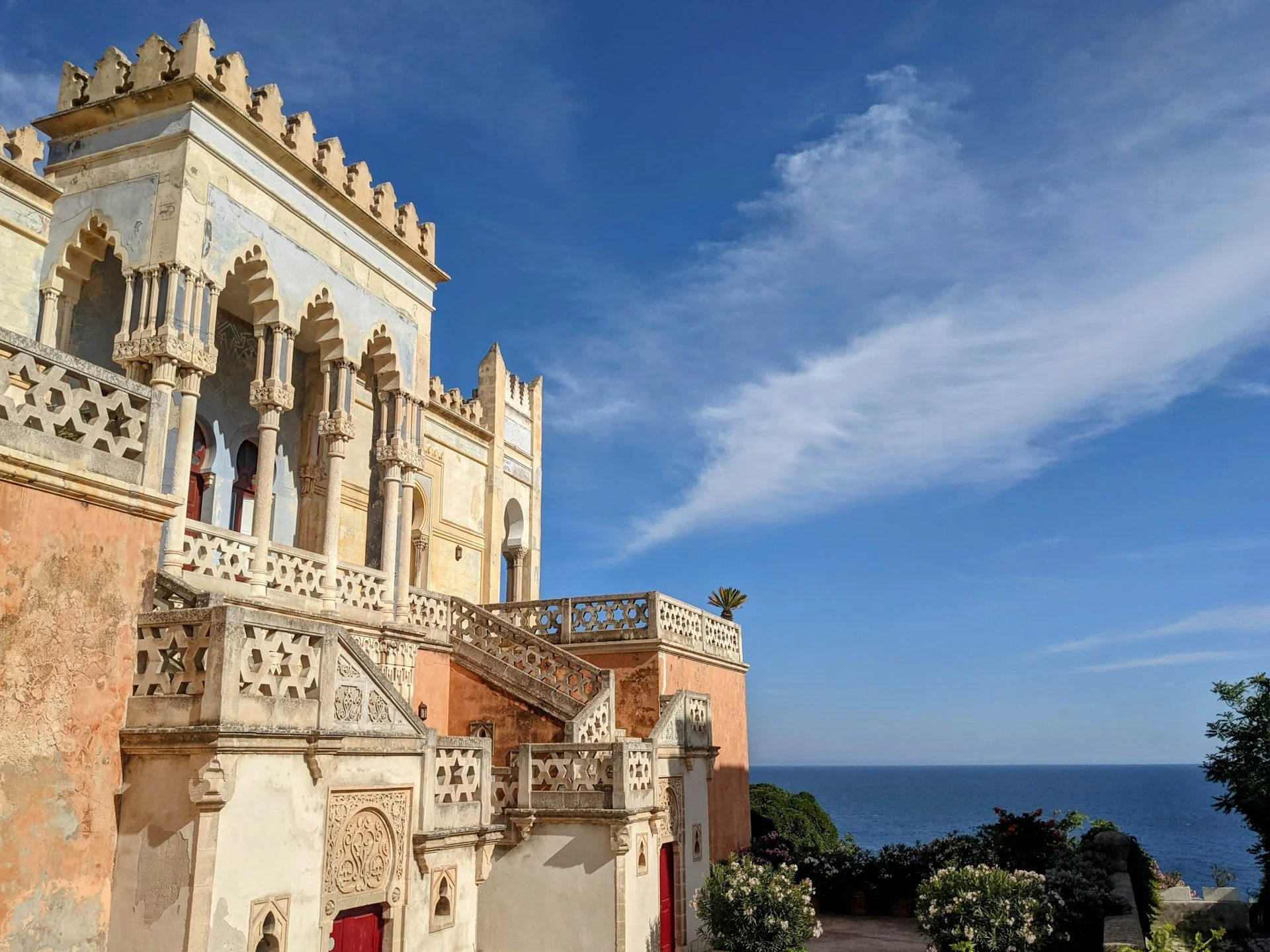
There's a moment most first-time visitors to Lecce describe, usually somewhere near the Basilica di Santa Croce, when the scale of what surrounds them comes into focus.
Because Lecce isn't just a city with some Baroque buildings; it's a city built almost entirely from pietra leccese - a warm, honey-coloured limestone so soft it can be carved like wood and so beautiful it has shaped the city's entire architectural identity.
And it's no living museum either: this is a southern Italian city vibrant with modernity, a university town with a food culture of considerable depth and a warm, unhurried character that consistently makes visitors want to stay longer than they planned.
Taste Lecce: A 3-Hour Food Tour
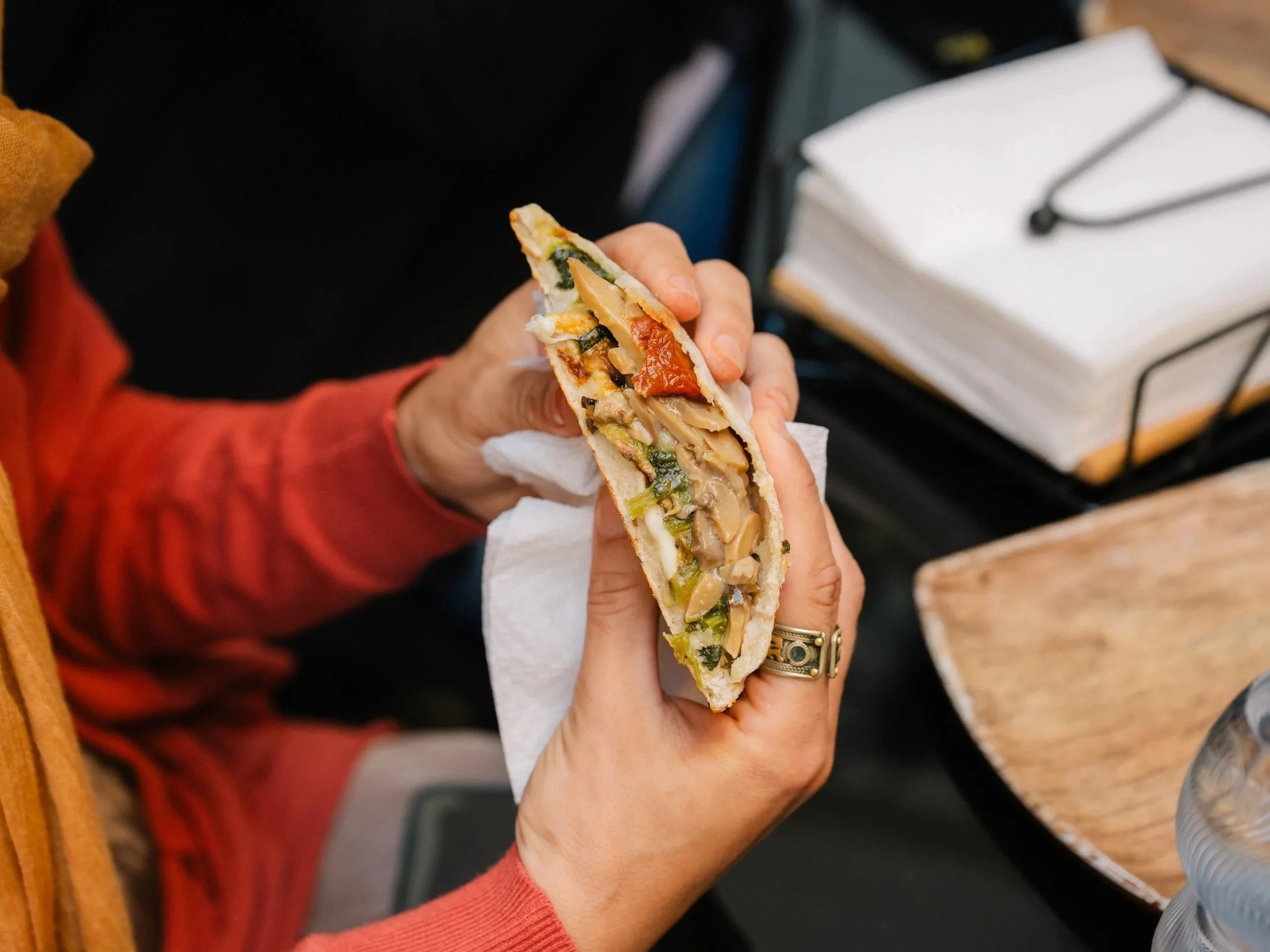
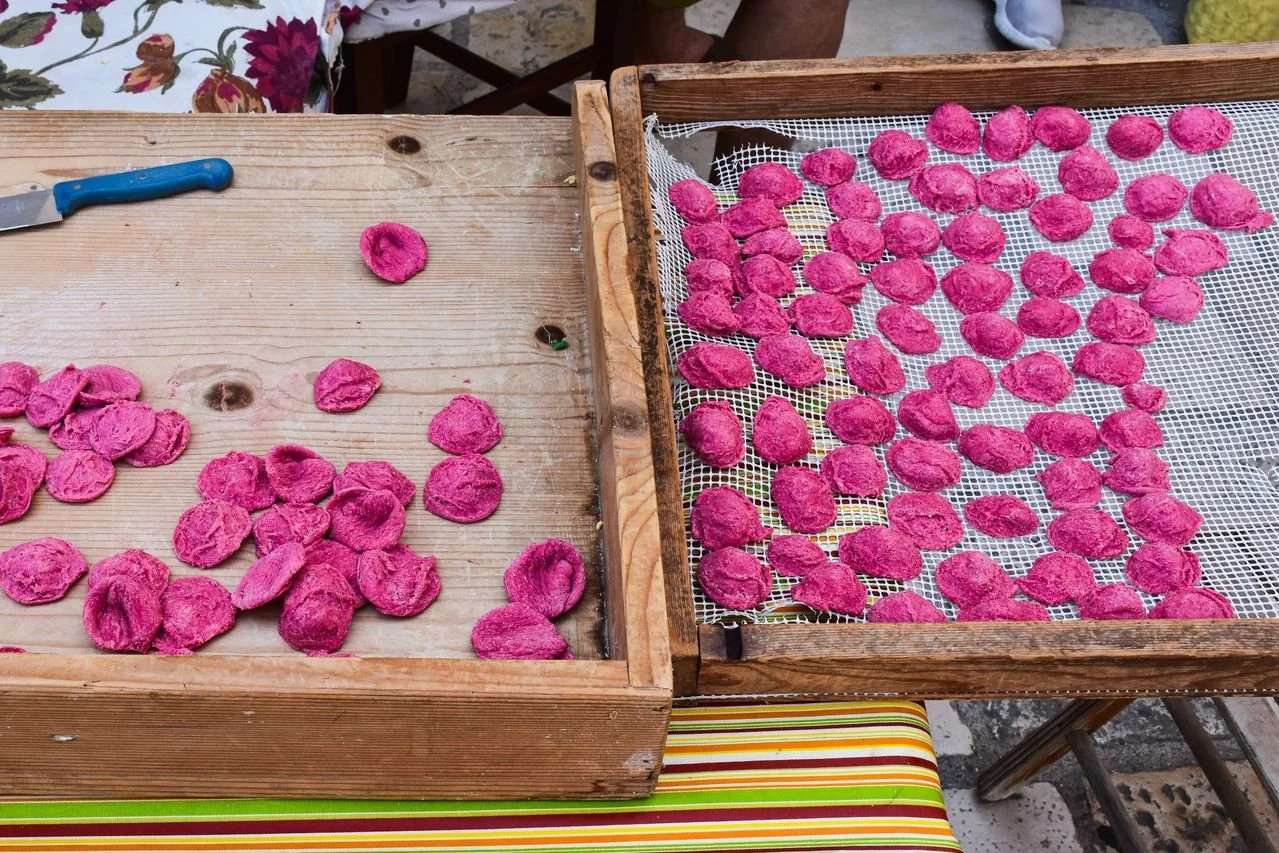
In Lecce, breakfast means a pasticciotto - a golden short-crust pastry case filled with warm custard cream - and that's how this three-hour food tour begins.
It then moves through the historic centre with a local guide, stopping at family-run bakeries, delicatessens, artisan cheese producers and neighbourhood eateries to build a complete picture of Salento's food culture, taking in regional wines and the city's famous caffè leccese - espresso over ice with almond syrup - along the way.
A Family-Friendly Treasure Hunt
For families, Dragonfly Tours' interactive treasure hunt transforms the city into an open-air discovery trail - clues leading through hidden courtyards, past Baroque doorways and into corners even regular visitors rarely find, with each challenge unlocking a piece of local history or legend. Parents get a different perspective; children get an adventure - a real family win-win.
Beyond the City: Coast and Sea
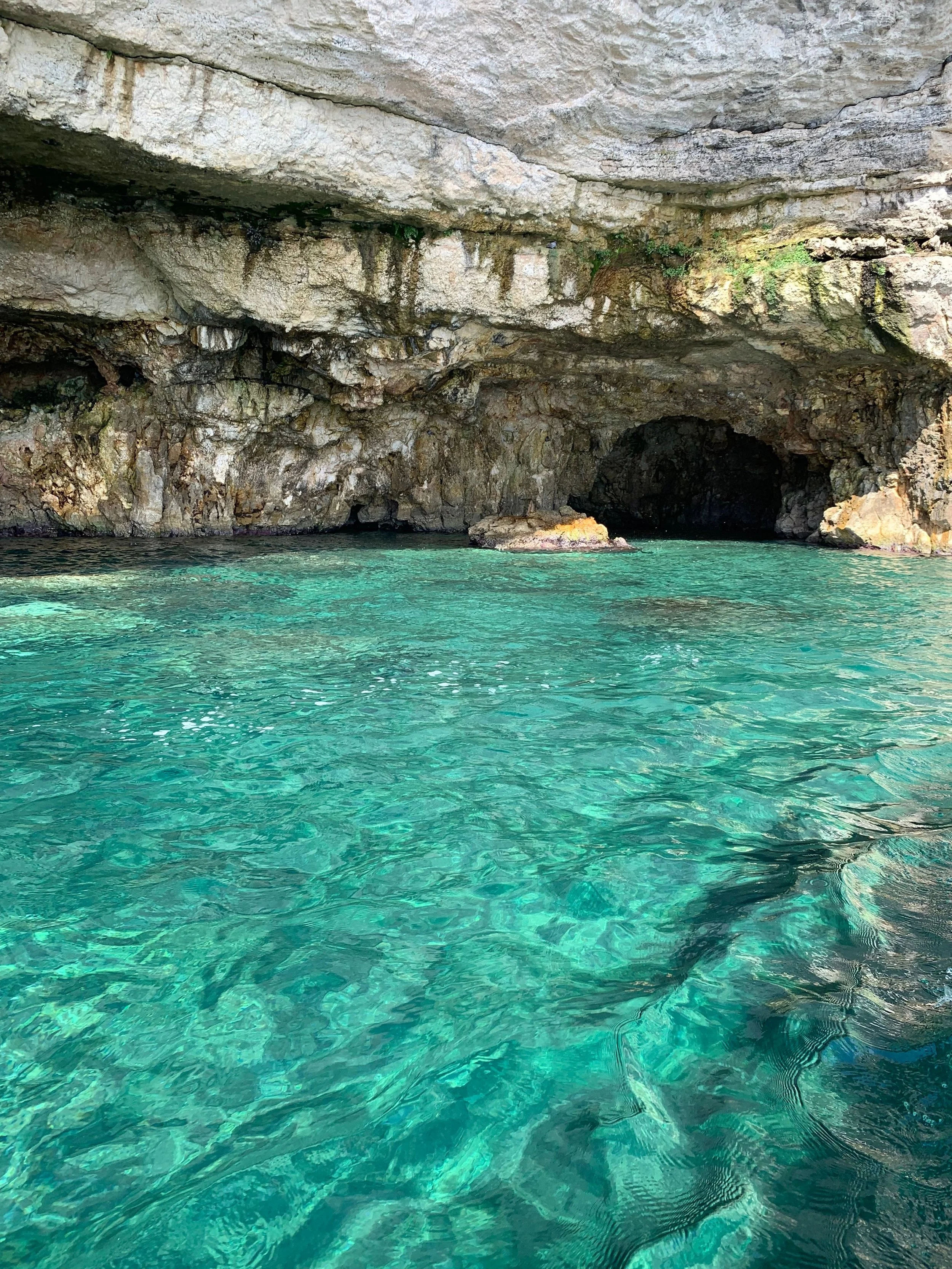
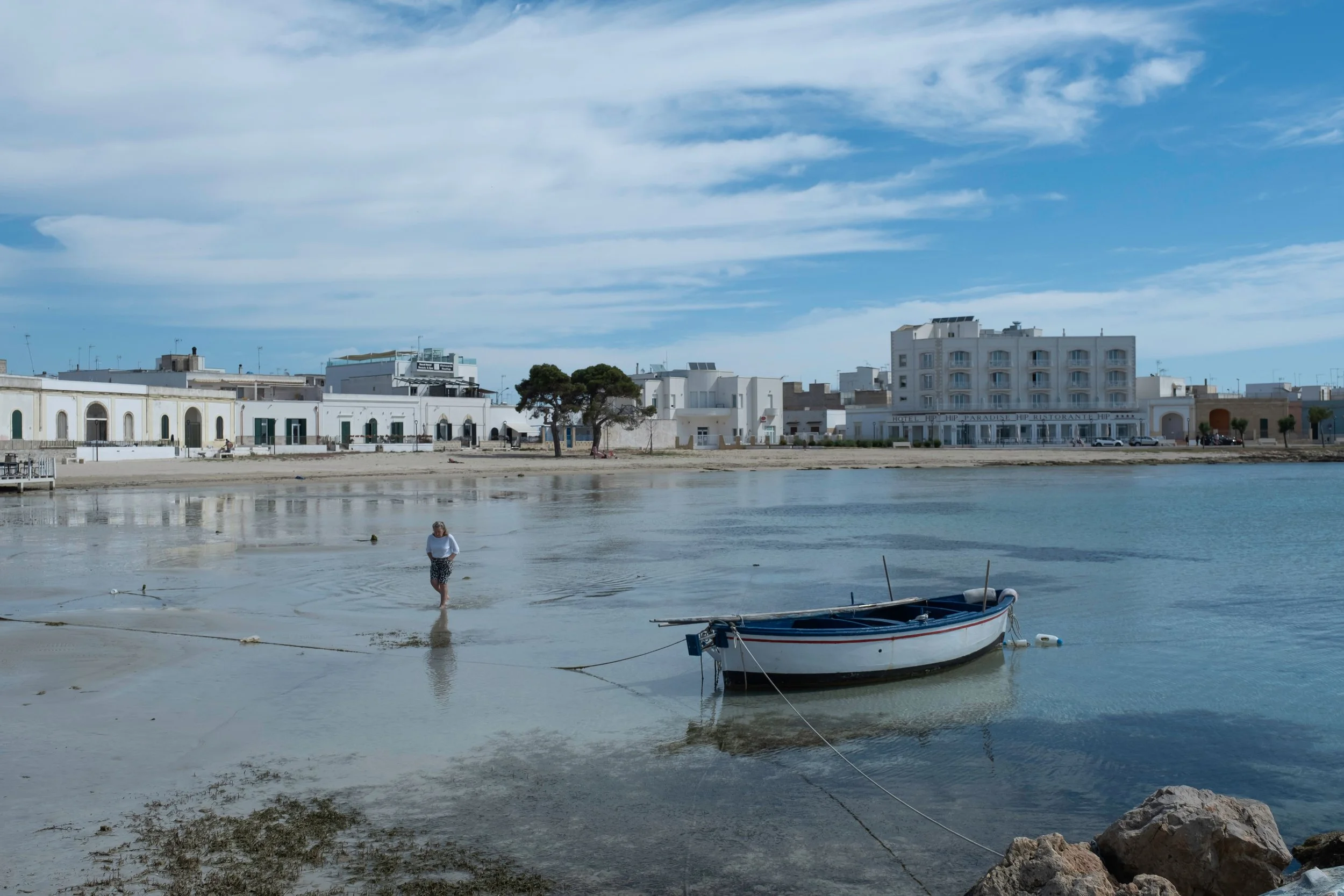
For clients wanting more, a VIP Beach Day at Porto Cesareo offers white sand and fresh seafood in the Mediterranean sun, while a kayaking and snorkelling experience along the Salento coast at Torre dell'Orso combines limestone cliffs, sea caves and turquoise water in one of Puglia's finest marine environments - get in touch today to learn more.
Where to Stay in Lecce
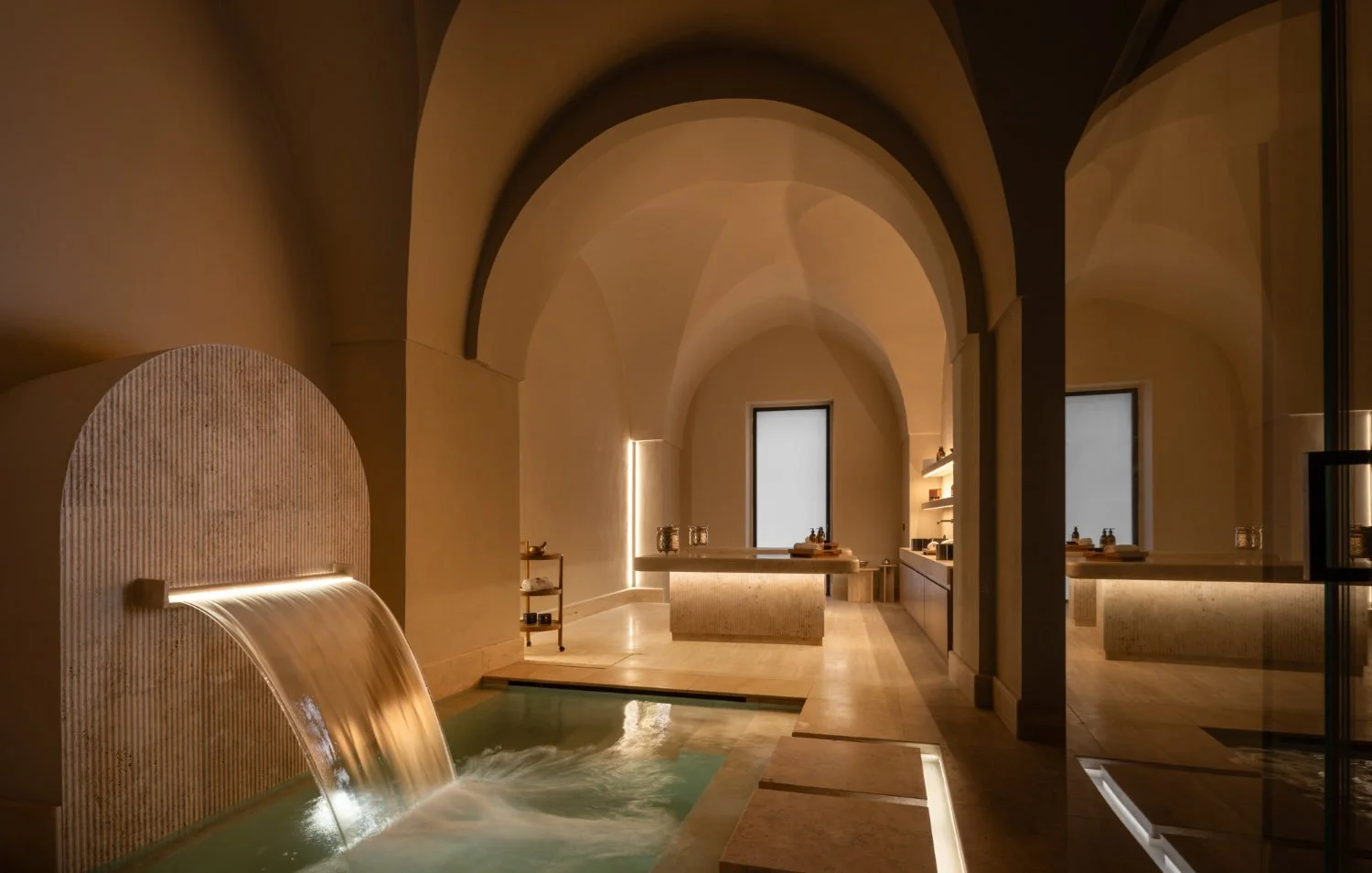
For a quintessential Lecce experience, Patria Palace Hotel puts guests at the heart of the Baroque city - an 18th-century palace designed by one of the architects responsible for the masterpieces outside its windows, now a Leading Hotels of the World property whose Sira rooftop bar, with the carved facade of Santa Croce filling the view, offers one of those aperitivo moments not easily forgotten.
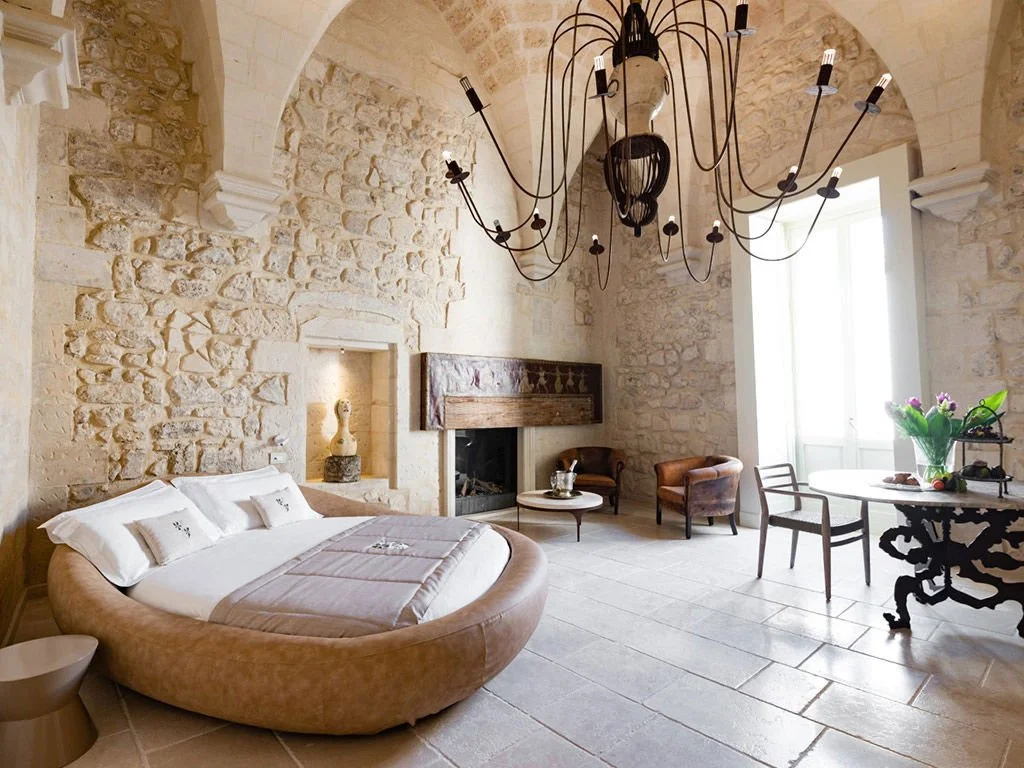
Or, for something more intimate, Pollicastro Boutique Hotel occupies a restored 16th-century palazzo thought to stand on the site of Lecce's patron saint's own house - his statue, carved in pietra leccese, greets guests at the entrance.
Inside, exposed stone walls and vaulted ceilings pair with bespoke contemporary furnishings, each room individually designed. Characterful, warmly run and priced at a more accessible level than its five-star neighbours: this one’s for guests who want to feel like they've made a discovery.
The Stories Behind the Story
What Jaipur, Chiang Mai and Lecce share isn't geography or culture or even the beautiful quality of their light, though all three have that in abundance.
They share depth - and each one rewards the traveller who slows down, asks the right questions and arrives in the company of someone who knows what's worth finding and how to find it.
The kind of encounters our DMCs have shared here are the ones that make cities truly memorable. To discuss how any of these itineraries might work for your clients, get in touch today.