
How to choose the right DMC in Thailand: A Travel Advisor’s Guide
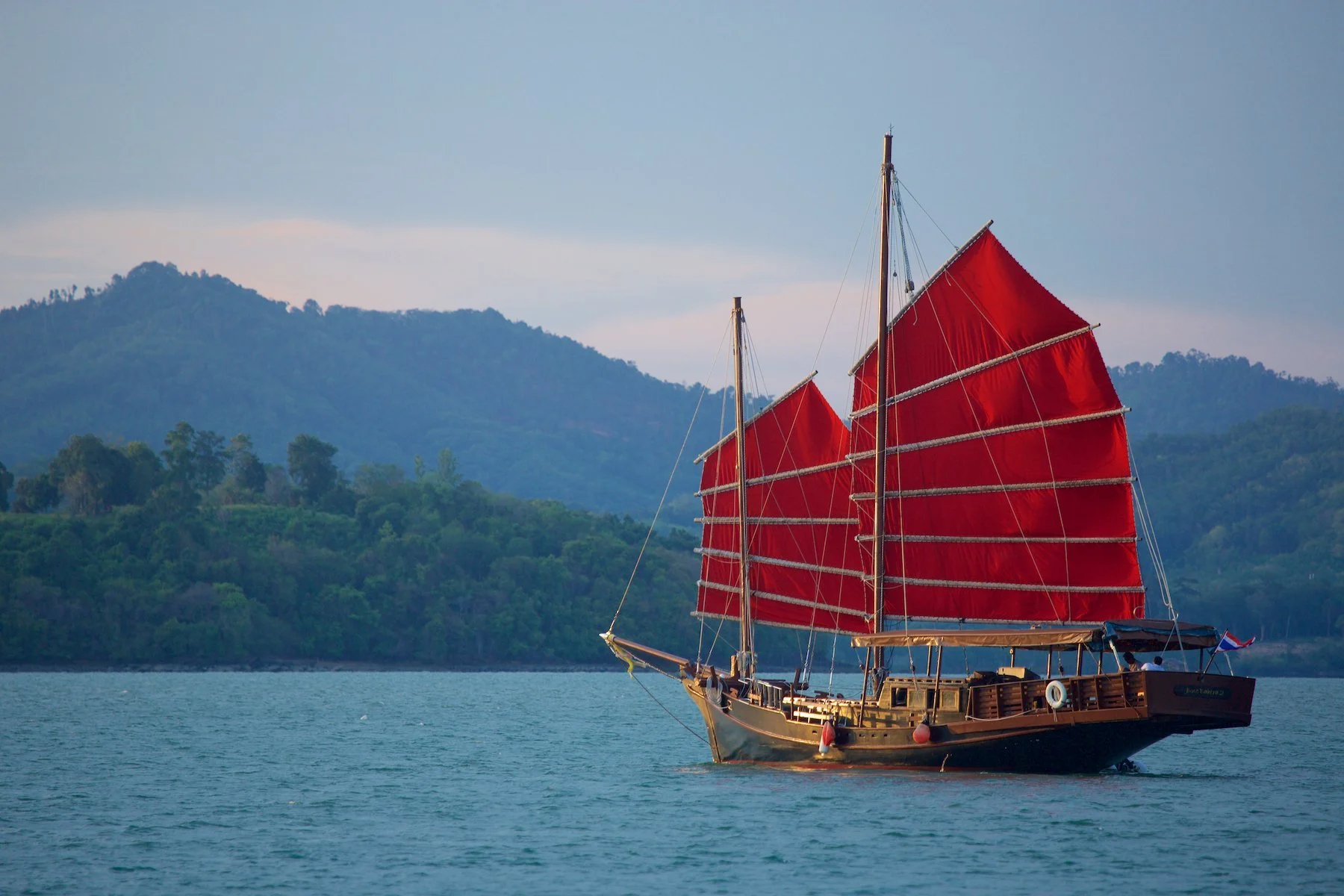
From reading the seasons to knowing who really owns the business, we explore what separates a good Thailand DMC from a great one, with insights from Ewan Cluckie of Tripseed, our Chiang Mai-based, majority Thai-owned specialists.
What's in this Article
We explore why choosing the right DMC in Thailand is one of the most important decisions a travel advisor makes for clients visiting, and the 5 things to look for beyond itineraries and rates.
We discover why seasonal expertise matters so much in a country where the north, the Andaman coast and the Gulf of Thailand each run on a different calendar.
We learn how long-standing local relationships can transform a well-organised trip into something extraordinary that your clients talk about for years.
We share what Thailand's tightening rules on company ownership mean for advisors, and how to check a DMC's credentials in minutes using a free public registry.
We look at why tax transparency and evidenced ethical practice are becoming part of good due diligence.
And we hear from Ewan Cluckie, Co-Founder of Tripseed, on what separates a DMC that is “in Thailand” and one that is “of Thailand” - and why it’s a difference that matters.
Behind every great Thailand trip…

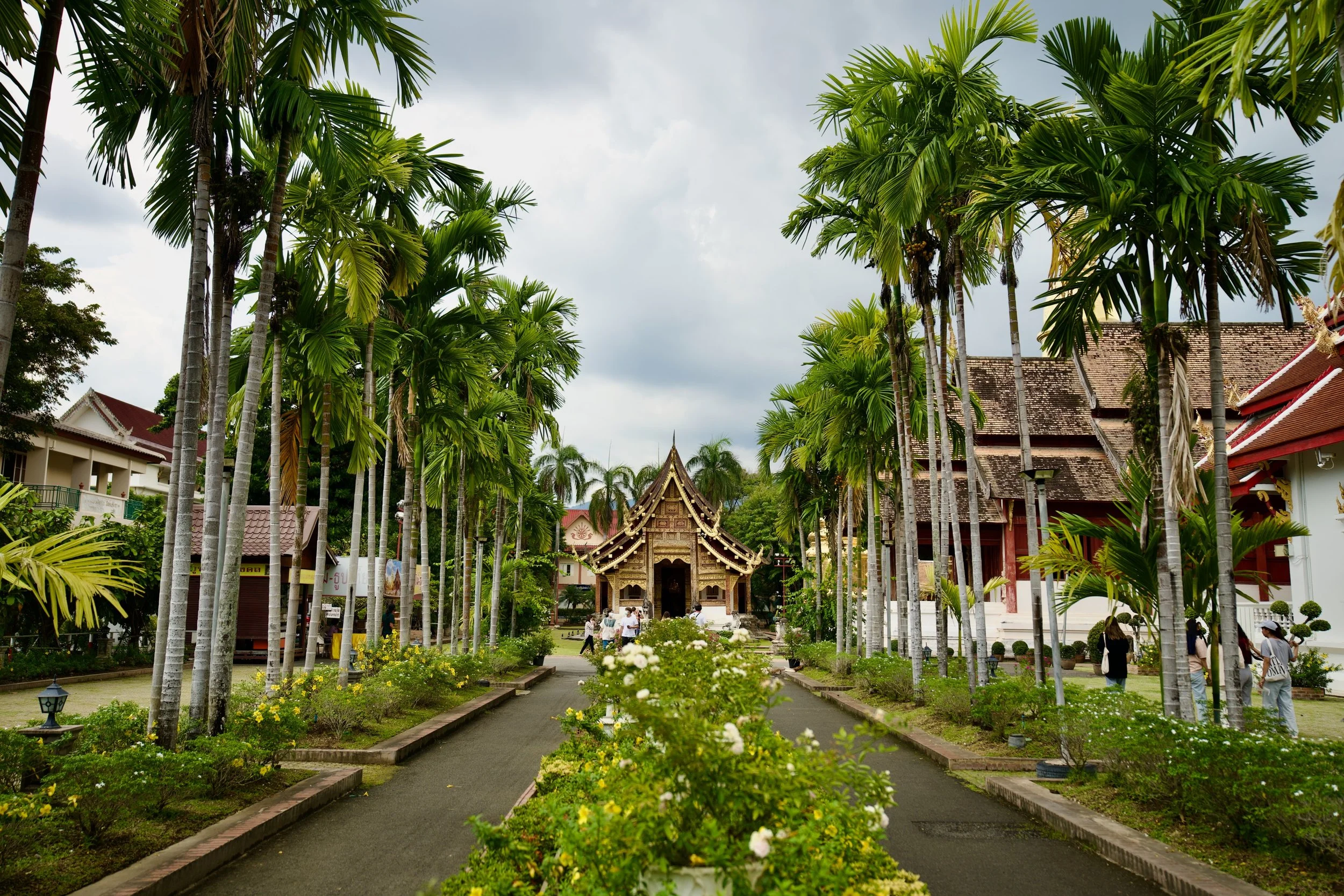
In Chiang Mai, a guide spots your clients flagging in the afternoon heat and softly reshapes the day around a shaded temple and an iced coffee.
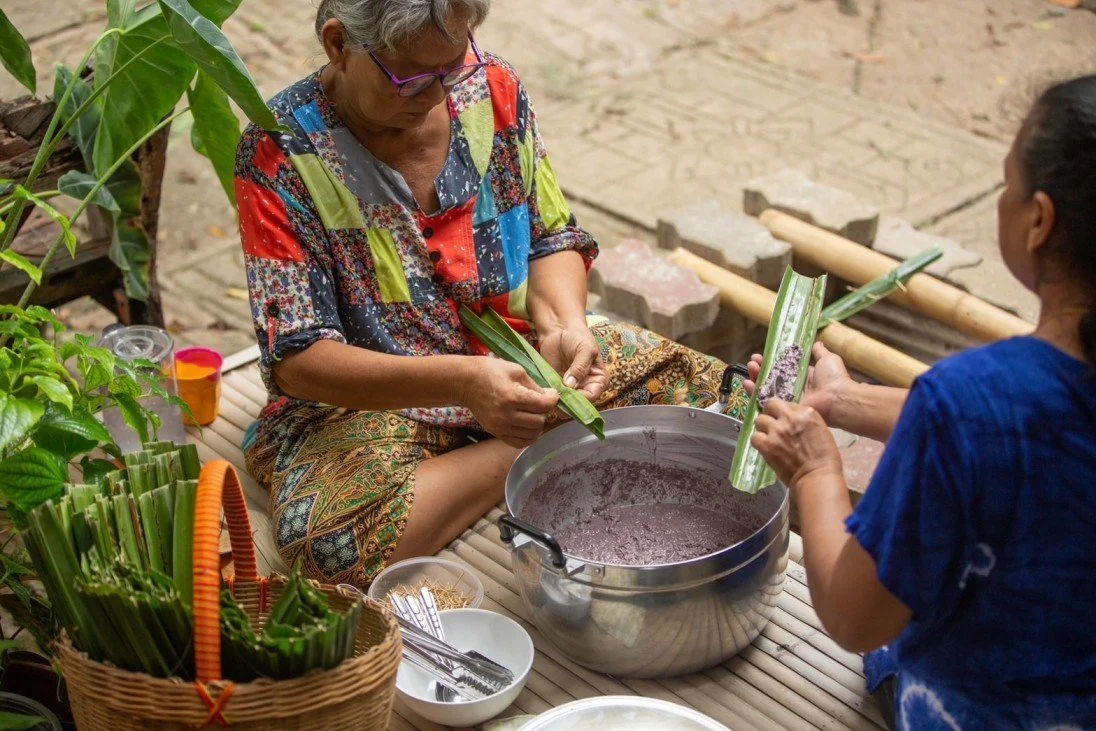
In Nan, a family opens up a kitchen that’s fed three generations to show them how khao soi is really made. And in Mae Hong Son, they drift by bamboo raft into the cool dark of a prehistoric cave, a local raftsman at the pole.
These are the kind of moments you want clients to bring home from Thailand, but they’re the kind that rarely happen by chance.
More often, they trace back to a decision made months earlier - about which DMC to trust with the trip. As Ewan Cluckie, Co-Founder and Chief Growth Officer of the brilliant Tripseed, says, “a DMC isn’t just another supplier. It’s effectively your business in destination".
And it’s something we all know, because it’s your DMC’s guides that meet your travellers, their drivers that carry them from place to place and their team that handles everything from dietary requirements to 2am emergencies.
So what should travel advisors be looking for when choosing the right Thai partner for their clients’ next big adventure? Here are 5 qualities worth asking about, and why each one matters to your clients.
Knowing when, not just where
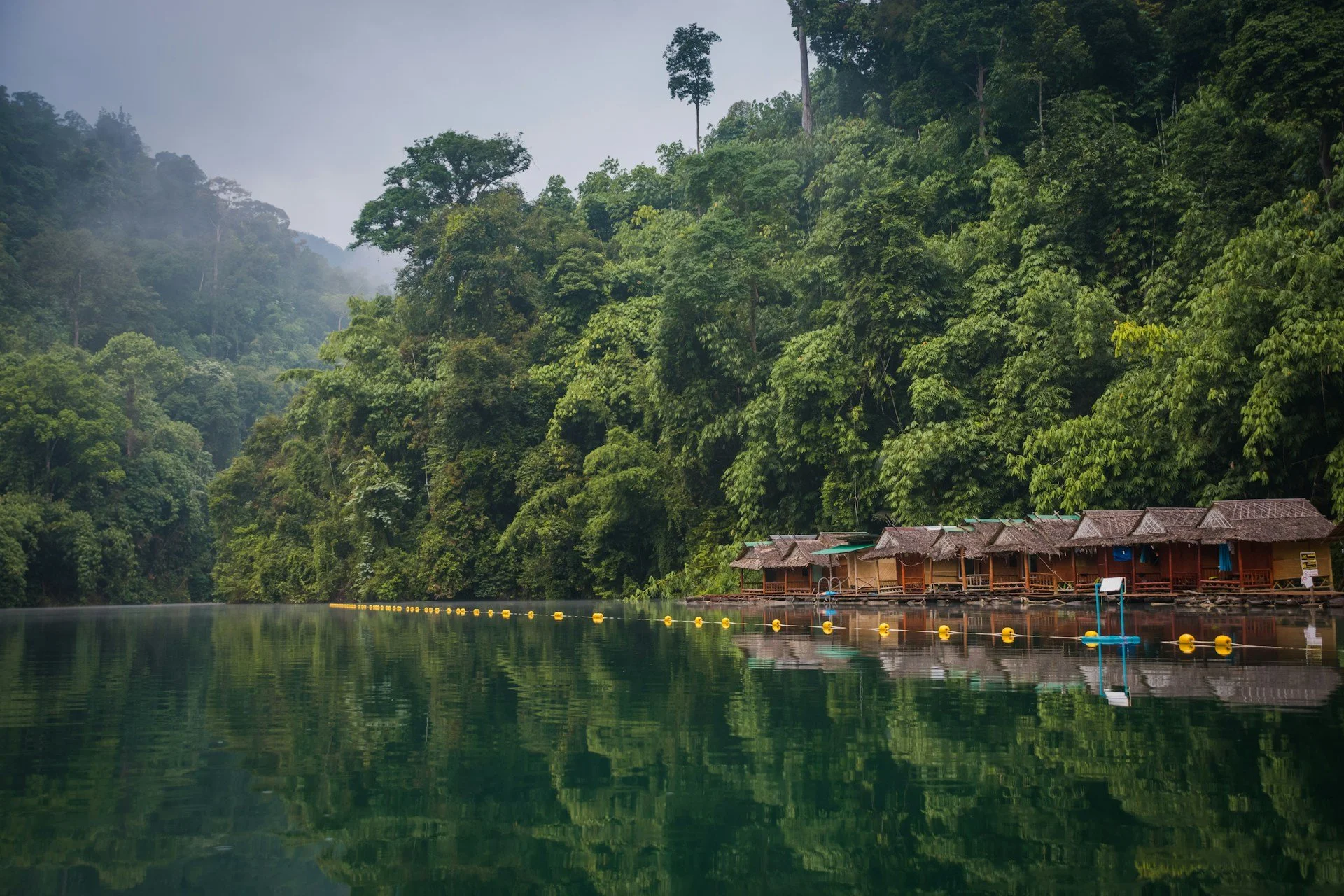

Thailand is often sold as a single destination, but its regions keep very different calendars.
In the north - Chiang Mai, Chiang Rai, Nan and Mae Hong Son - the cool, dry months from (roughly) November to February bring clear skies and comfortable trekking weather, while the rains from around June to October turn the rice terraces a vivid green.
On the Andaman coast, around Phuket, Krabi and Koh Yao Noi, the calmest seas typically fall between November and April, while the Gulf of Thailand, home to Koh Samui, has its own wetter spell towards the end of the year.
A DMC with genuine seasonal expertise knows these patterns like the backs of their hands.
And they know the exceptions to them too, like when the late dry-season haze can settle over the north, how to plan around Songkran in mid-April or the lantern-lit nights of Yi Peng in Chiang Mai each November, and when a quieter month will suit a particular client better than the obvious one.
For you as advisors? That kind of knowledge is the difference between a trip that fits the brochure and one that fits your travellers.
For Tripseed, this is home ground, literally.
Based in Chiang Mai and operating solely in Thailand, their team plans journeys across the whole country - the North, Isaan, Bangkok and Central Thailand, the Gulf and the Andaman coast - which means they can match each region to the right moment in the year, and point clients towards less-travelled alternatives like the night safaris of Khao Yai National Park in Isaan or the southern heritage of Nakhon Si Thammarat and Phattalung too.
Relationships that open doors
The most memorable parts of a Thailand trip usually come down to people, and nurturing those people to give their best takes time and care.
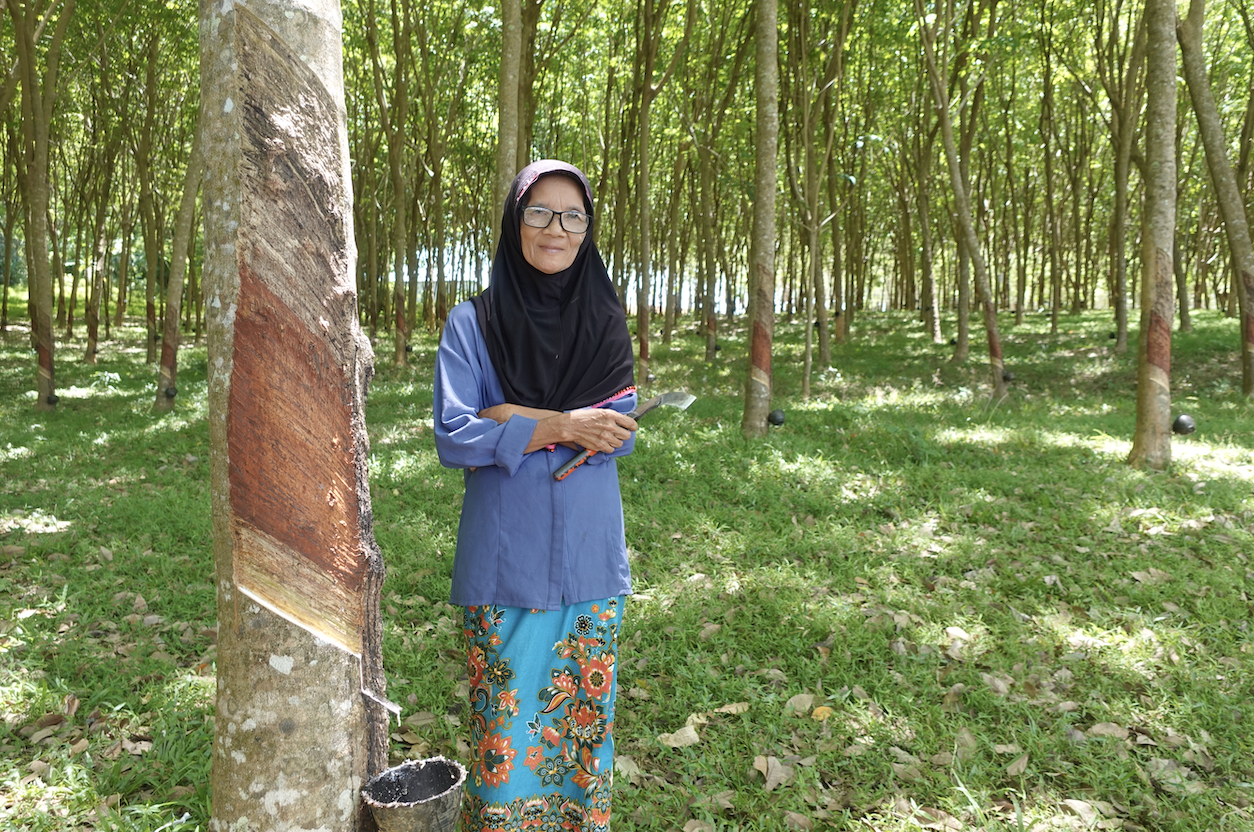
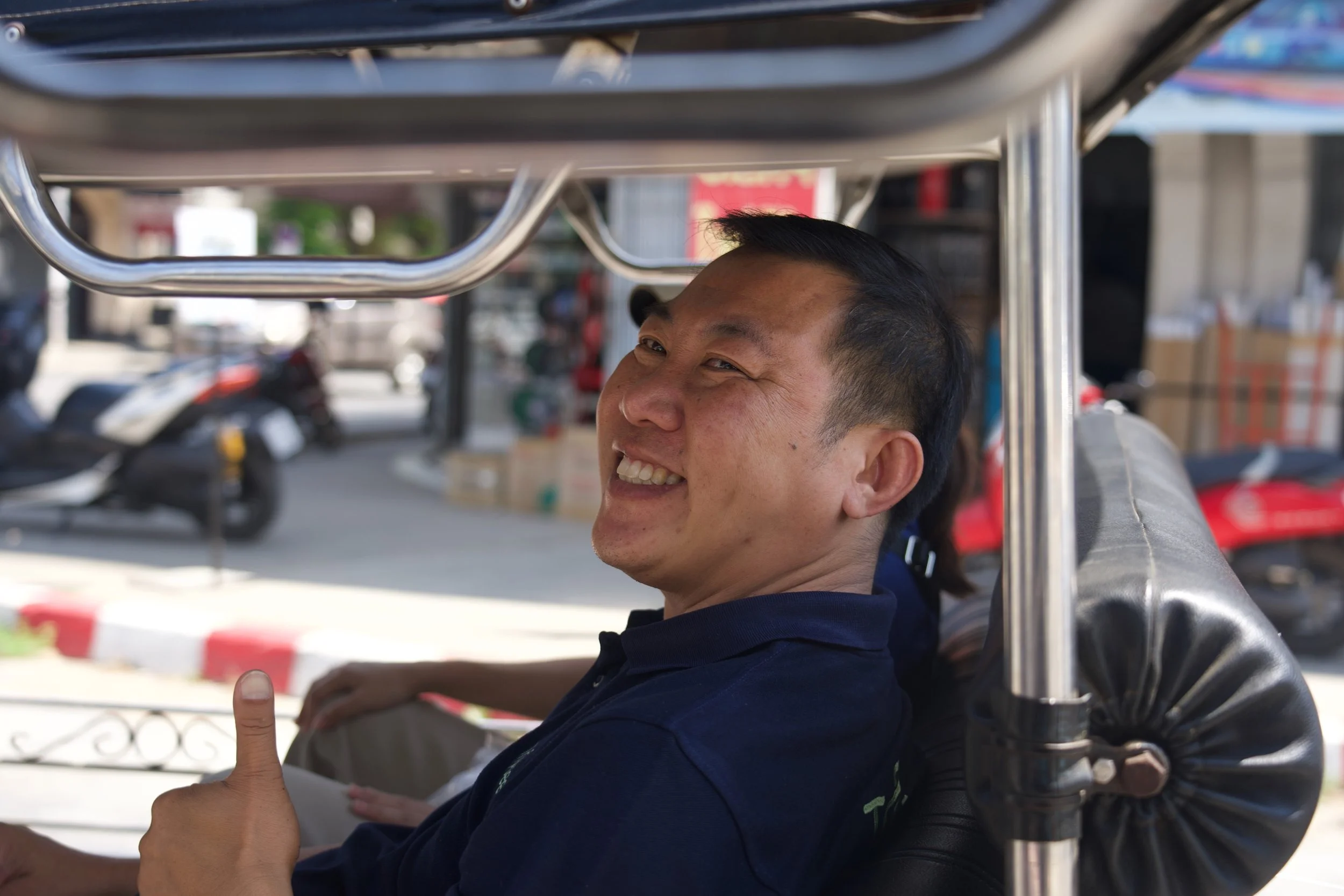
A DMC whose guides stay for a decade rather than a season, and whose community hosts, boat captains and boutique hoteliers have worked alongside them for years, offers something no booking platform can - trust.
Tripseed's itineraries are built on exactly these kinds of relationships.
In Tak Province, guests learn from Karen hilltribe mahouts caring for elephants rescued from tourism and being gradually returned to natural behaviours in the forest.
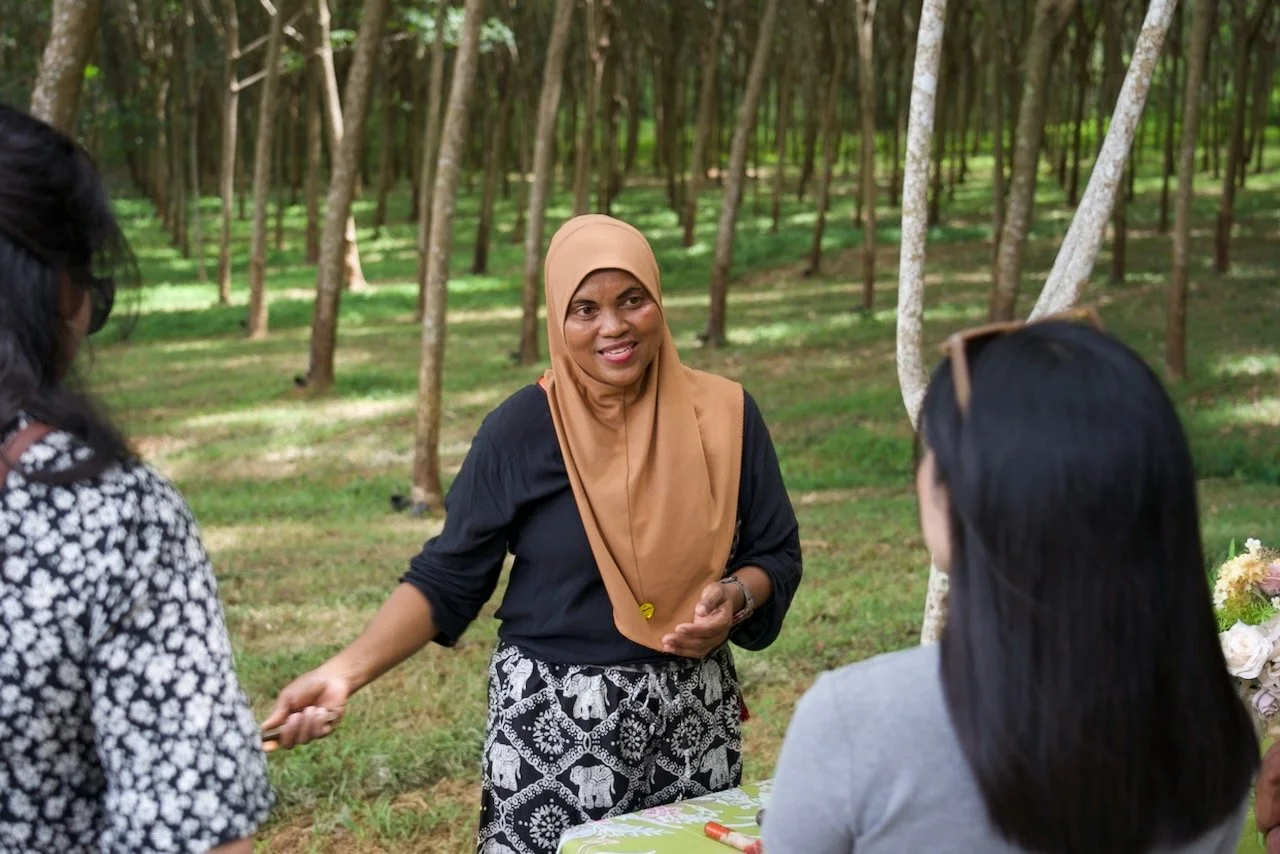
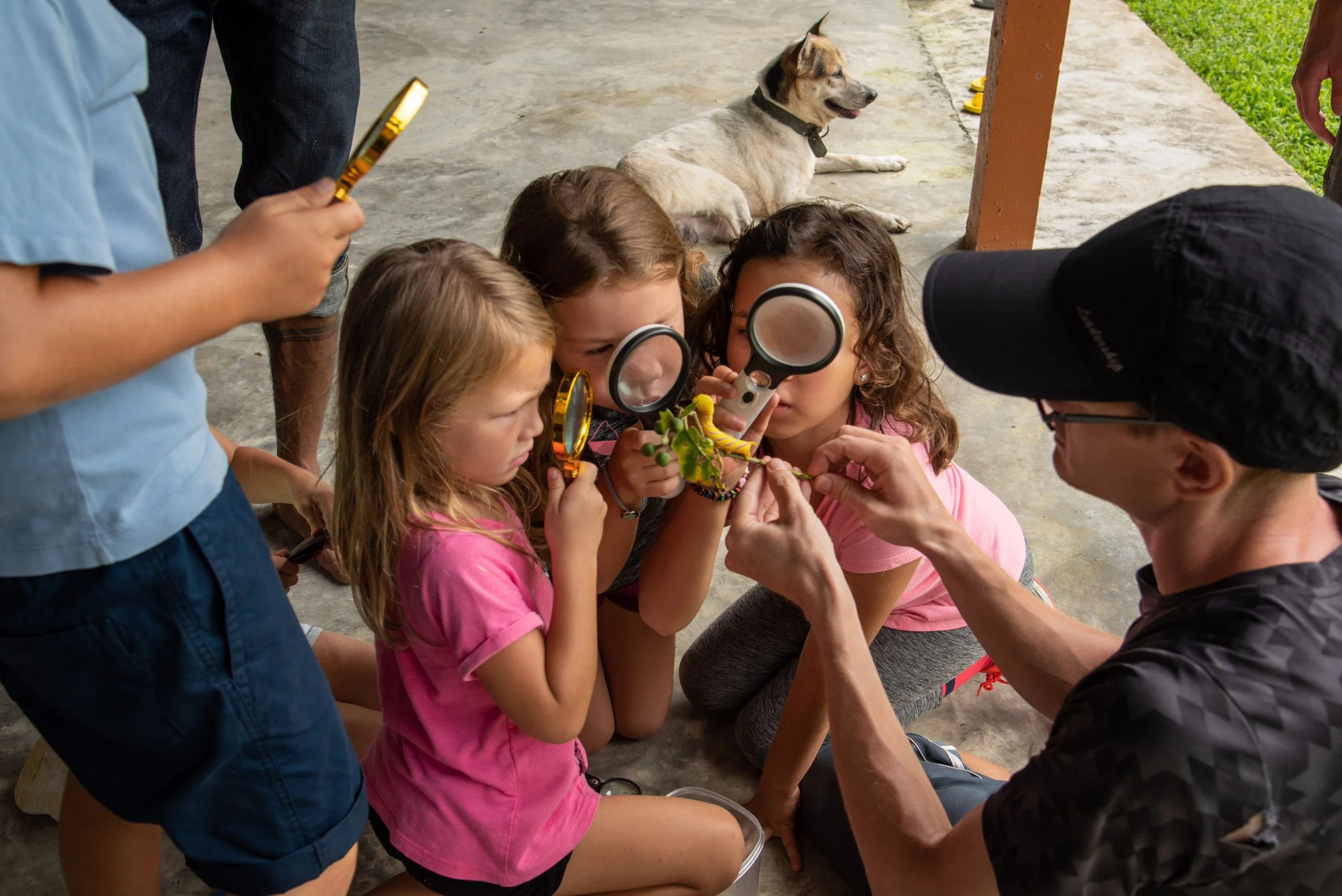
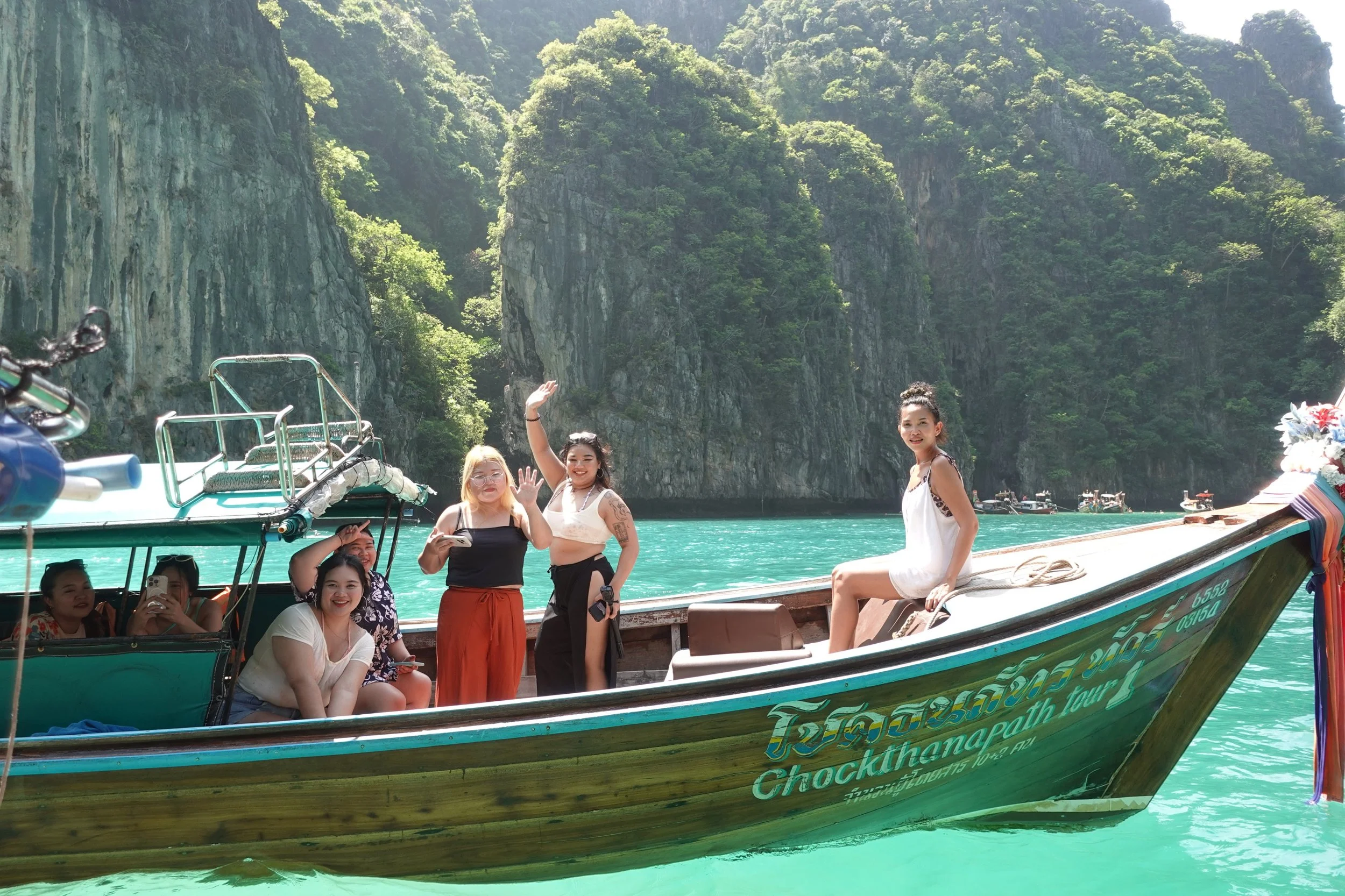
Near Phuket, a village experience in a coastal Muslim community is led by local women, from kayaking through mangrove channels to traditional cooking. And in Phattalung, master shadow-puppet artisans share a craft that has been practised in the region for centuries.
And it’s these relationships that matter most when things get busy - in peak season, when availability tightens, suppliers are far more likely to go the extra mile for a partner who has treated them fairly over time.
So always ask a prospective Thailand DMC how long its guides have been with the company, and how it works with the communities your clients will visit. The answers say a great deal about the experience on the ground.
Who really owns the business?
Ownership is something advisors rarely think they need to ask about, but in Thailand in 2026, it's well worth adding to the list.
Under the Foreign Business Act and the Tourism Business and Guide Act, a licensed tour company must be at least 51% Thai-owned - and authorities have stepped up checks this year on "nominee" arrangements, where Thai ownership exists only on paper.
For advisors, the real risk from this is continuity: a revoked licence takes effect immediately, whether your clients are mid-trip or not.
But happily, it's easy to check out; Thailand's free public registry, DBD DataWarehouse+, shows any registered company's shareholding, directors and filed accounts.
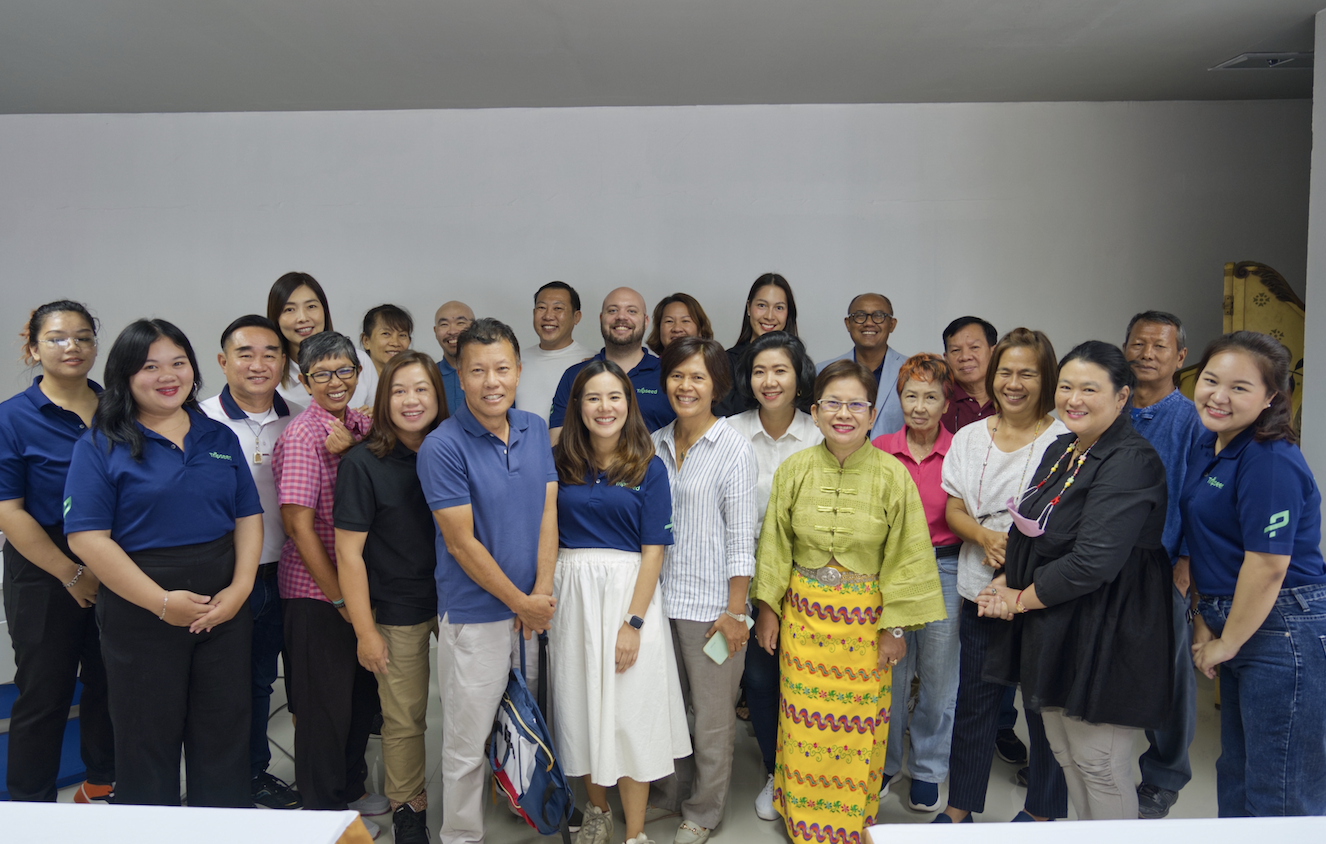
The simplest test of all though is a human one: can you have a meaningful conversation with the people who own the majority of your DMC?
With Tripseed, the answer is a clear yes.
The company is 70% Thai-owned and 70% women-owned, and partners can speak directly with the Thai owners behind the business - which, in Thailand, is a more meaningful credential than it might at first sound.
Where the money goes
Most advisors sell Thailand on authenticity and local connection, and clients increasingly want to know that the story matches the substance - well, tax transparency is one of the clearest ways to tell.
Thailand's standard corporate tax rate is 20% of net profit and, when a DMC pays its taxes in-country, that contribution helps fund the roads, healthcare and schools that the communities your clients visit rely on.
So it's a perfectly reasonable question to put to any prospective partner, and one we’re happy to say that Tripseed can answer easily through their accreditation by the Fair Tax Foundation under its National Business Standard - an independent way of showing that their tax affairs are handled openly.
Ethics you can evidence
Words like "eco" and "sustainable" appear on so many supplier websites, and that’s exactly why they’re worth probing.
The more useful question is what a DMC can actually show you: independent verification of specific claims, published commitments and a clear explanation of how it prioritises locally owned suppliers and how much of your clients' spend stays in Thailand.
Tripseed offers a helpful benchmark. The DMC is a People and Planet First Verified Social Enterprise, with a legally binding commitment to reinvest at least half of its profits into social justice and environmental initiatives.
And it's exactly these types of specific, verifiable commitments that give advisors something concrete to share with clients: something they can confidently stand behind.
In Thailand, or of Thailand

For Ewan, it all comes back to one distinction, “between a DMC that is in Thailand and one that is of Thailand” - and, for travel advisors, it’s the second that’s worth seeking out.
A company that is of Thailand has its owners, decision-makers, suppliers and tax contribution in the same place as its operations, and its reputation depends on relationships that outlast any single booking.
None of this means asking fewer questions about itineraries, response times or guide quality - it just means asking one or two more about transparency and legality too.
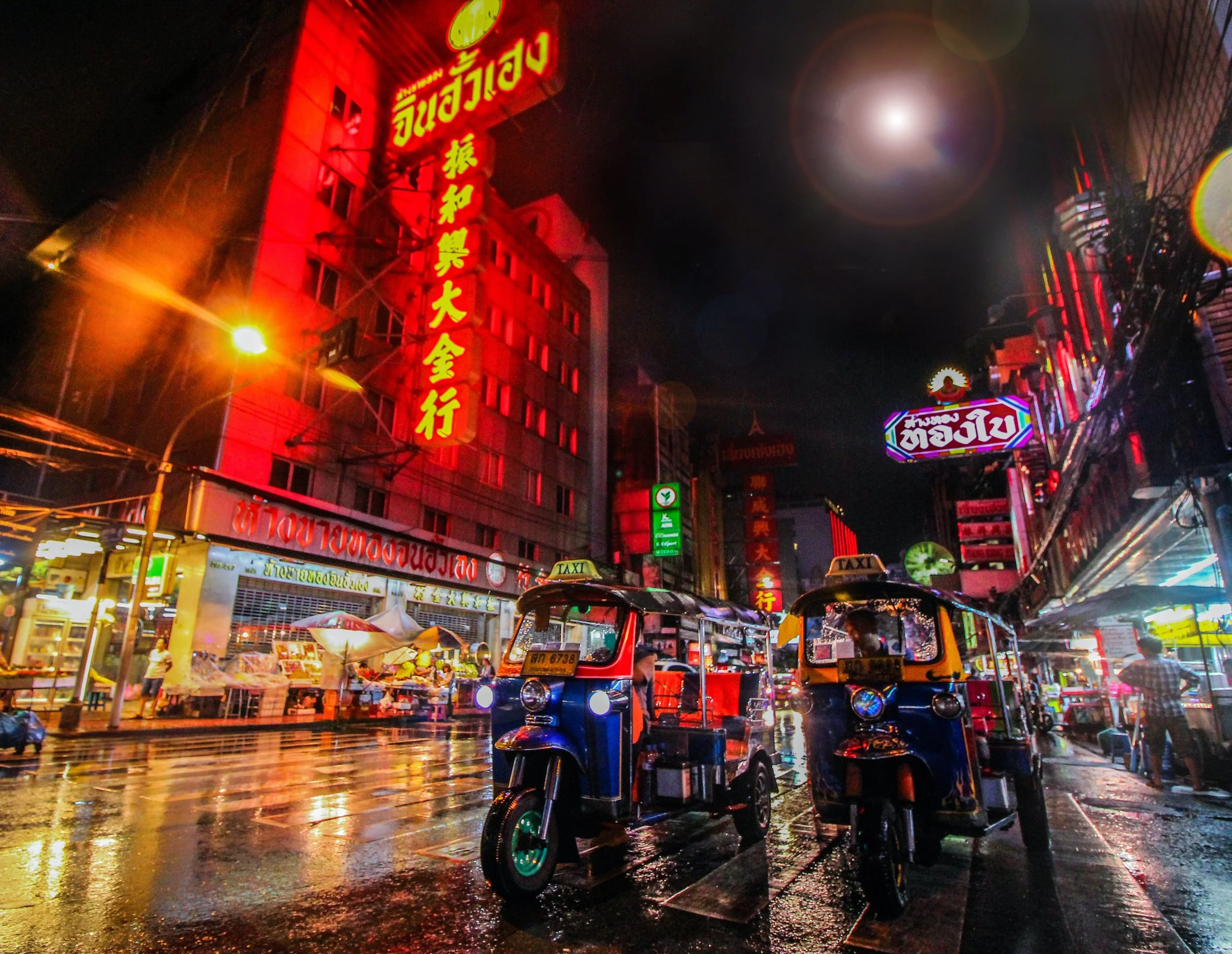
And with the right partner, the answers show up in the trip itself: in the hush of a Bangkok dawn as your clients offer alms to saffron-robed monks, in a late-night street food crawl by electric tuk tuk or in sunrise from a sacred hilltop temple at the end of the winding road to Mae Hong Son.
With Tripseed, that's the Thailand your clients come home talking about - one built on people, places and relationships that will still be there long after your travellers have returned home.
Ready to learn more about Tripseed and the Thailand they share with your clients? Get in touch today for an introduction to the team.