
Prague-based Dream Tours operate across six Central European countries, and founder Viktor Hošek has the perfect case for why Austria should be the one your clients see first…
What’s in this Article
We hear why Dream Tours founder Viktor Hošek champions Austria as a perfect alternative to Switzerland, and the culture, nature and short distances that make his argument work.
We look at the after-hours and privatised access Dream Tours can arrange across the country, from the Belvedere’s Klimt collection and the Spanish Riding School’s VIP gallery to a private dinner table on the summit of the Eagle’s Nest.
We cover the festive season in detail: when Austria’s Christmas markets open and close, where Krampus fits in and why it’s still not too late to book for this year.
We compare four Austrian ski areas (Zillertal, Kitzbühel, Lech and Sölden) and explain what each one does differently.
We explore the Salzkammergut lakes, including Dream Tours’ approach to Hallstatt for clients who want to see it without losing half a day to the crowds.
And we share the Austrian properties Dream Tours recommend, preview the Five Senses Tours launching in 2027 and set out what the Dream Circle programme offers travel advisors.
Two great cities as well as the Mountains…
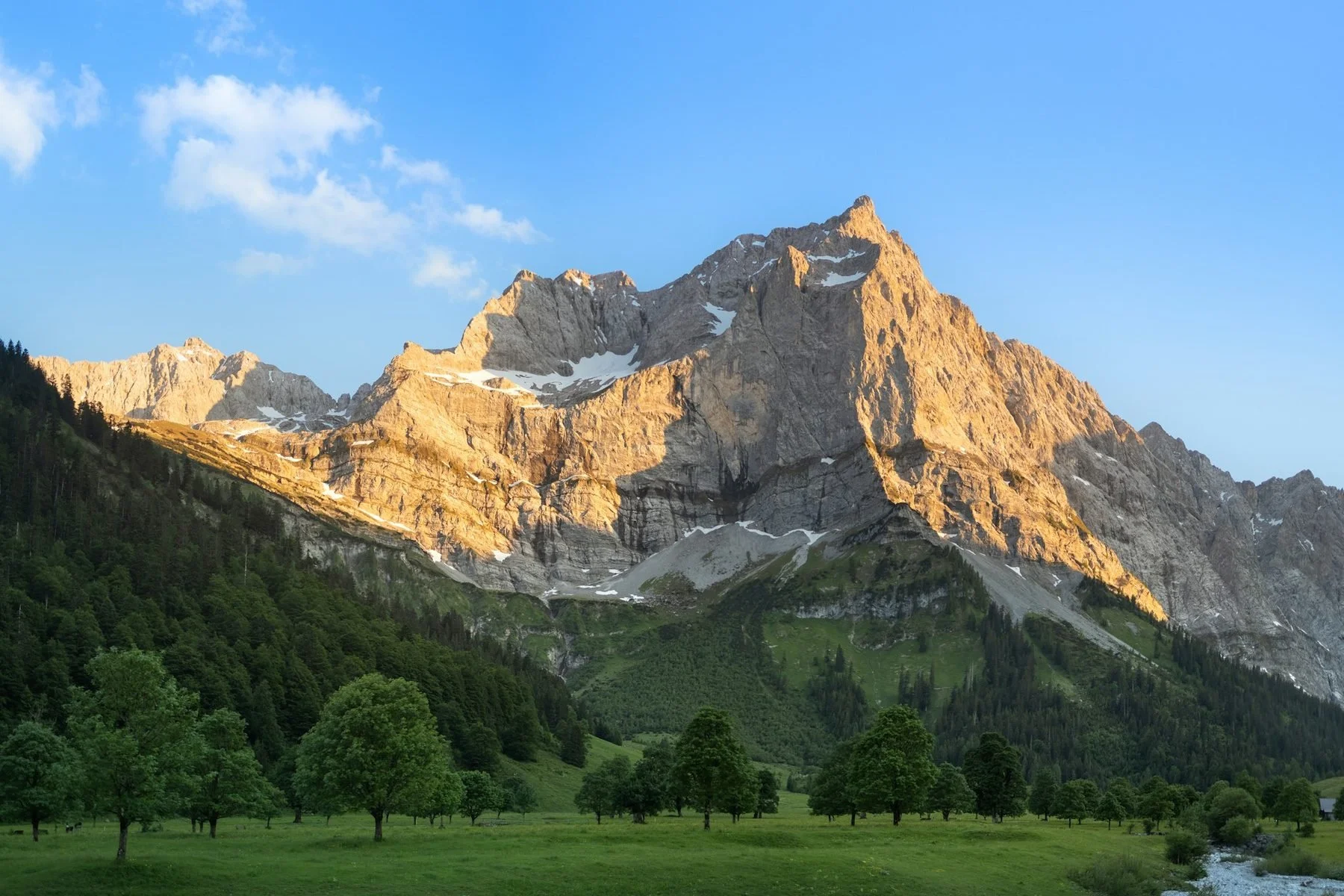
When clients come to you looking for an Alpine break, it’s usually Switzerland they have in mind: the peaks, the trains, the postcard views.
But, before your conversation narrows completely, Dream Tours’ Viktor Hošek has an alternative to offer; an Alpine sister country that can put even more on the table for your guests, especially with the extraordinary access that is the hallmark of an itinerary from this exceptional DMC.
In Viktor’s eyes, Switzerland may be enormously well known across both North and Latin America but Austria answers a beautifully rounded brief that most travel advisors never think to send its way.
With Vienna and Salzburg within easy reach, clients aren’t choosing between landscape and history: they can get a run of imperial and musical heritage and then drop straight into alpine country.
And best of all, the whole trip can take place within a remarkably compact space.
So what exactly is it that Austria with Dream Tours does so well? It begins with what happens after the museums close…
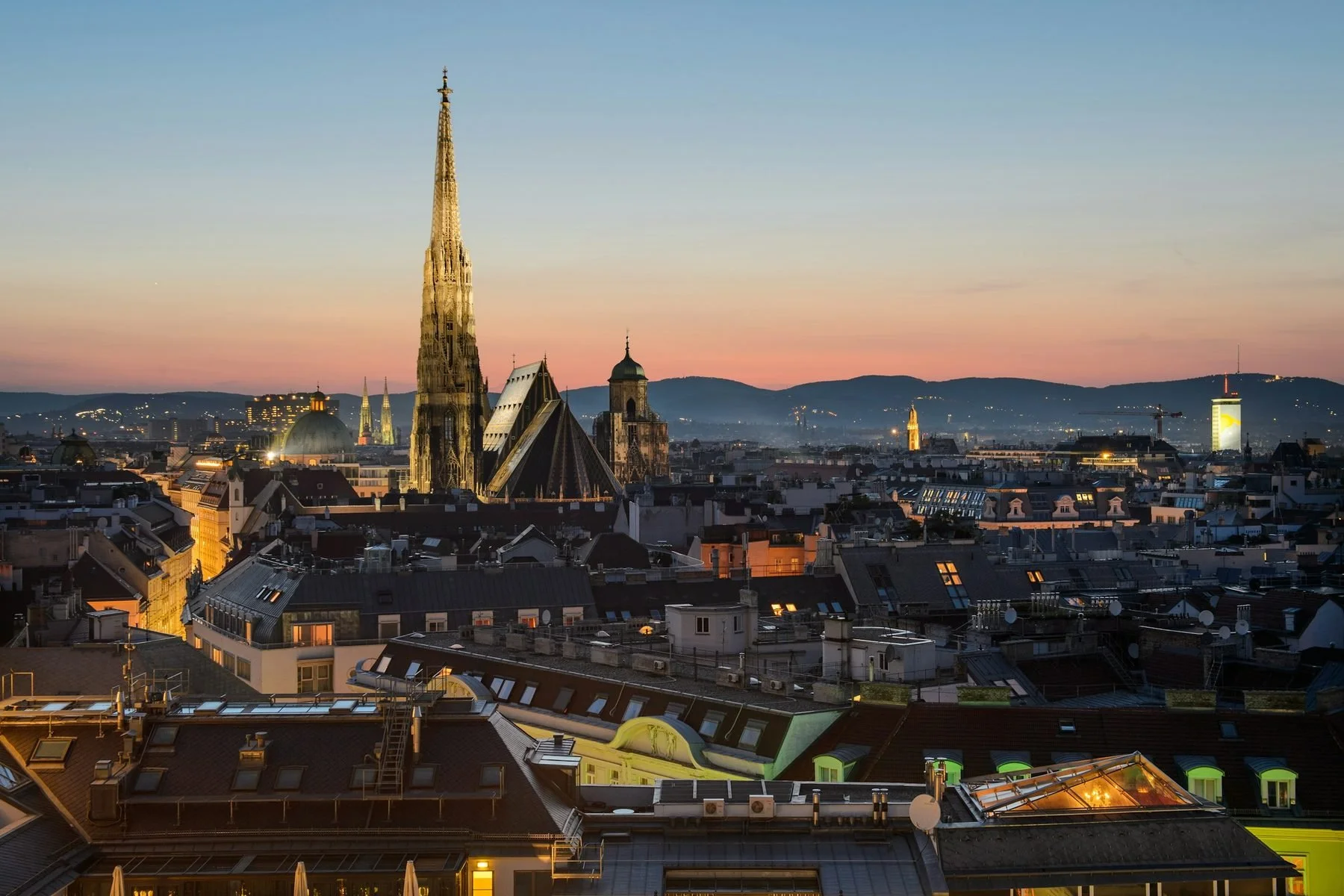
Vienna, when the velvet rope lifts
The clearest expression of what Dream Tours can do to make Austria so special for your guests happens after the public has gone home, and here, that starts in Vienna.
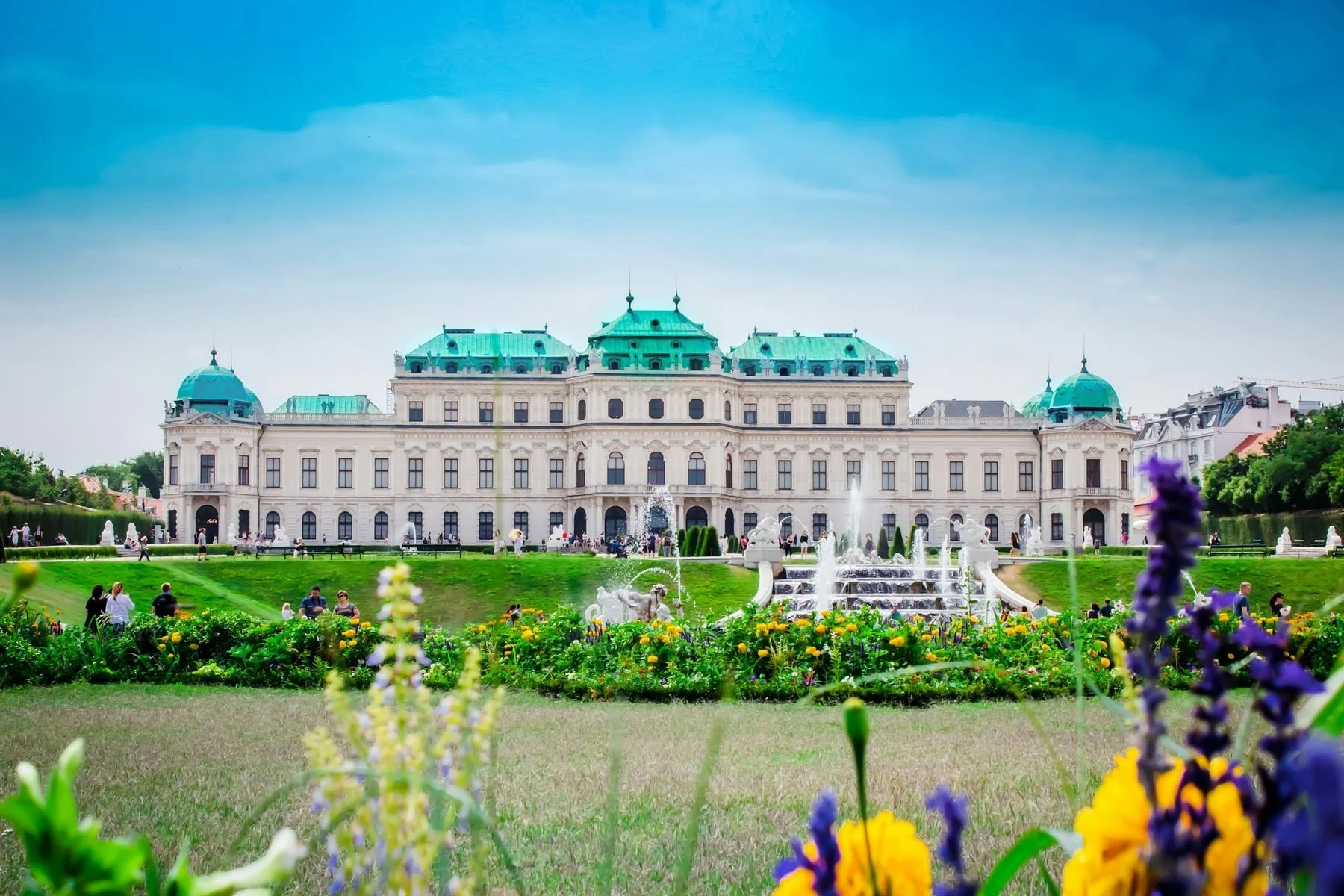
Imagine standing in front of Klimt’s The Kiss, just you, not a crowd three deep. Dream Tours can deliver this, with an after-hours tour of The Belvedere, host of the world’s largest collection of Gustav Klimt’s iconic paintings.
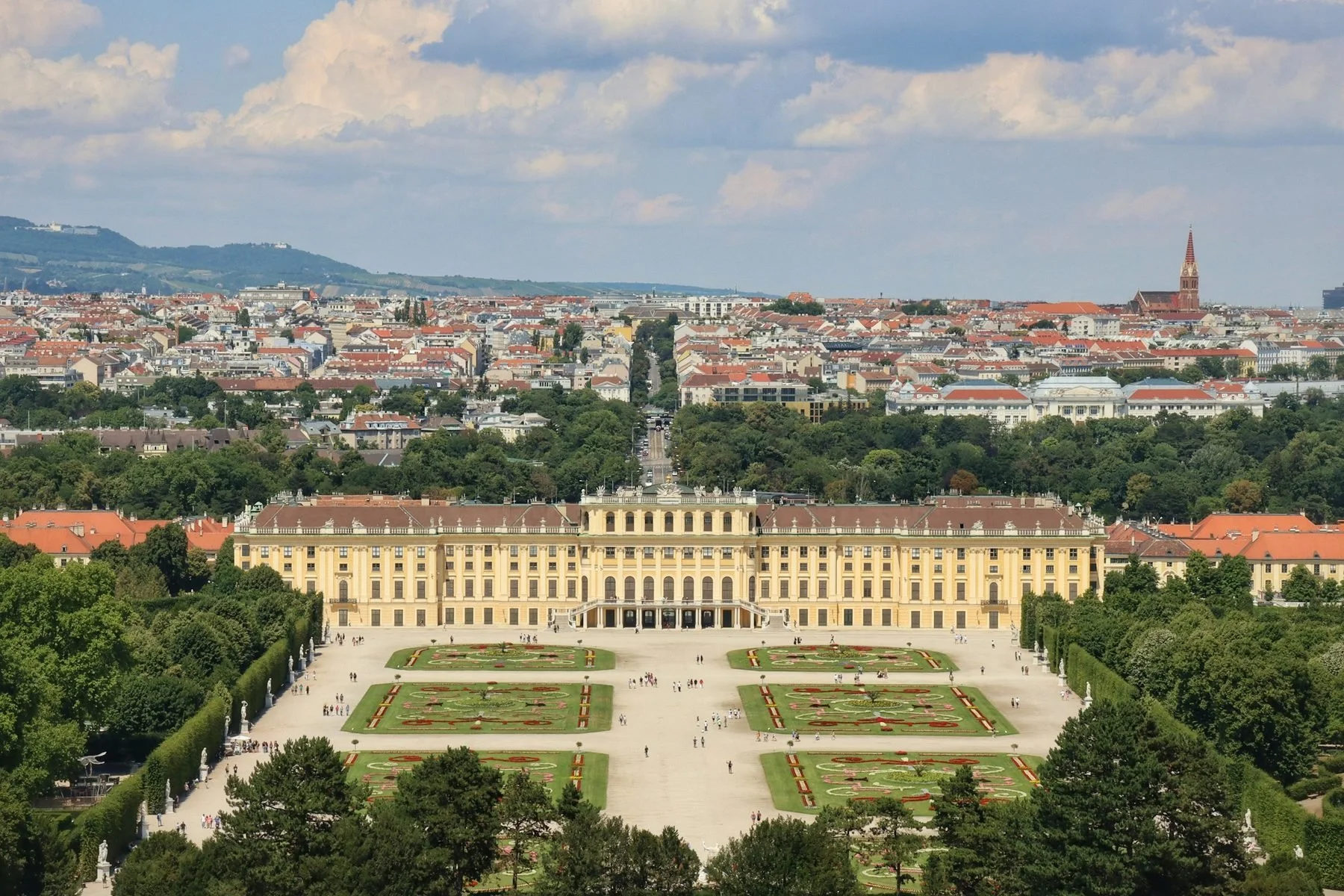
Similar arrangements can be made at Schönbrunn, the Habsburgs’ 1,441-room summer palace, UNESCO-listed in 1996, and the Liechtenstein Palace, which doesn’t do walk-in visitors at all yet Dream Tours can open the doors for your travellers and a private guide.
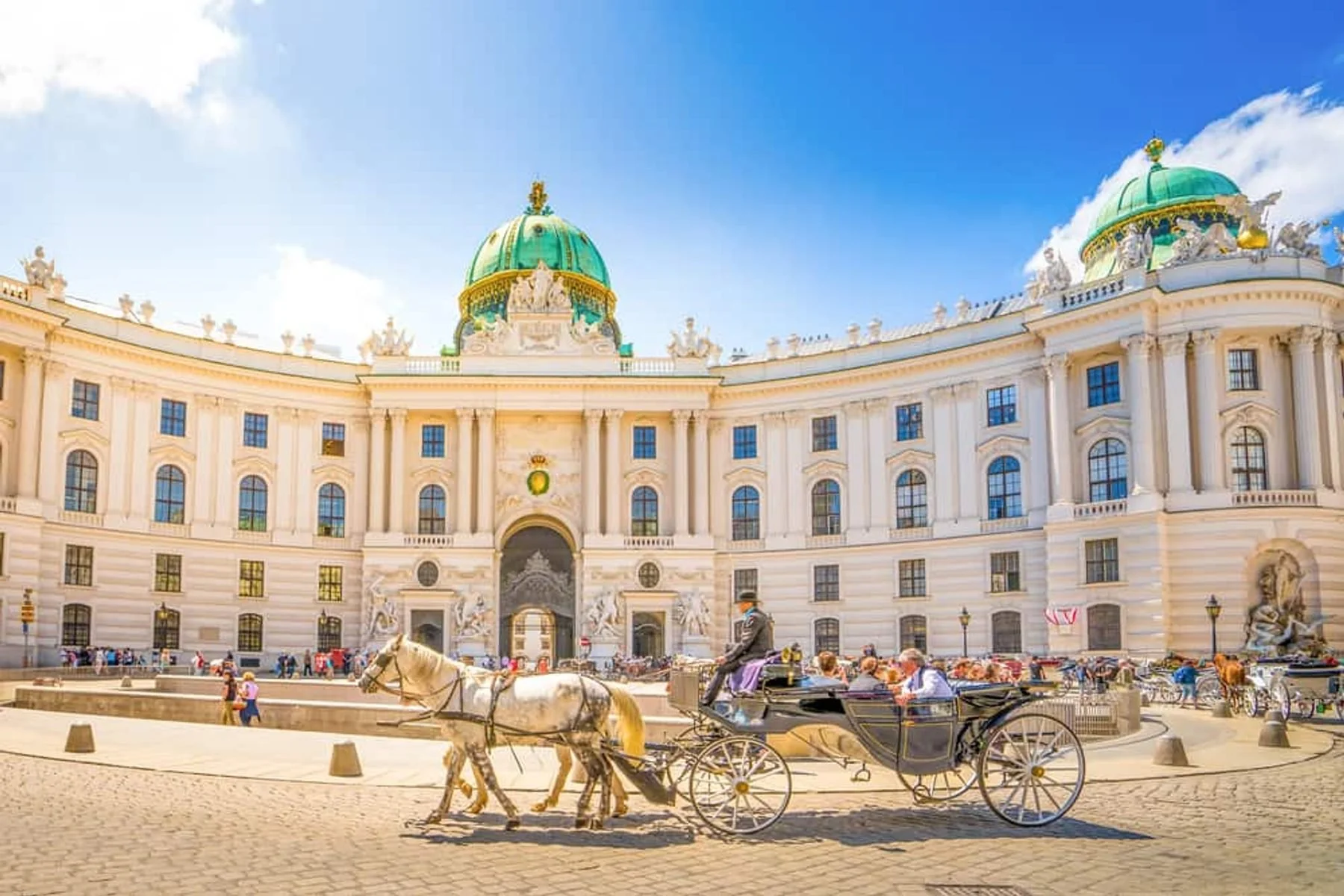
One of our all-time favourite tours has to be the Spanish Riding School, where Dream Tours can arrange a private tour of the stables together with a meet and greet with the riders, the morning practice watched from a VIP gallery and a welcome drink in a private salon.
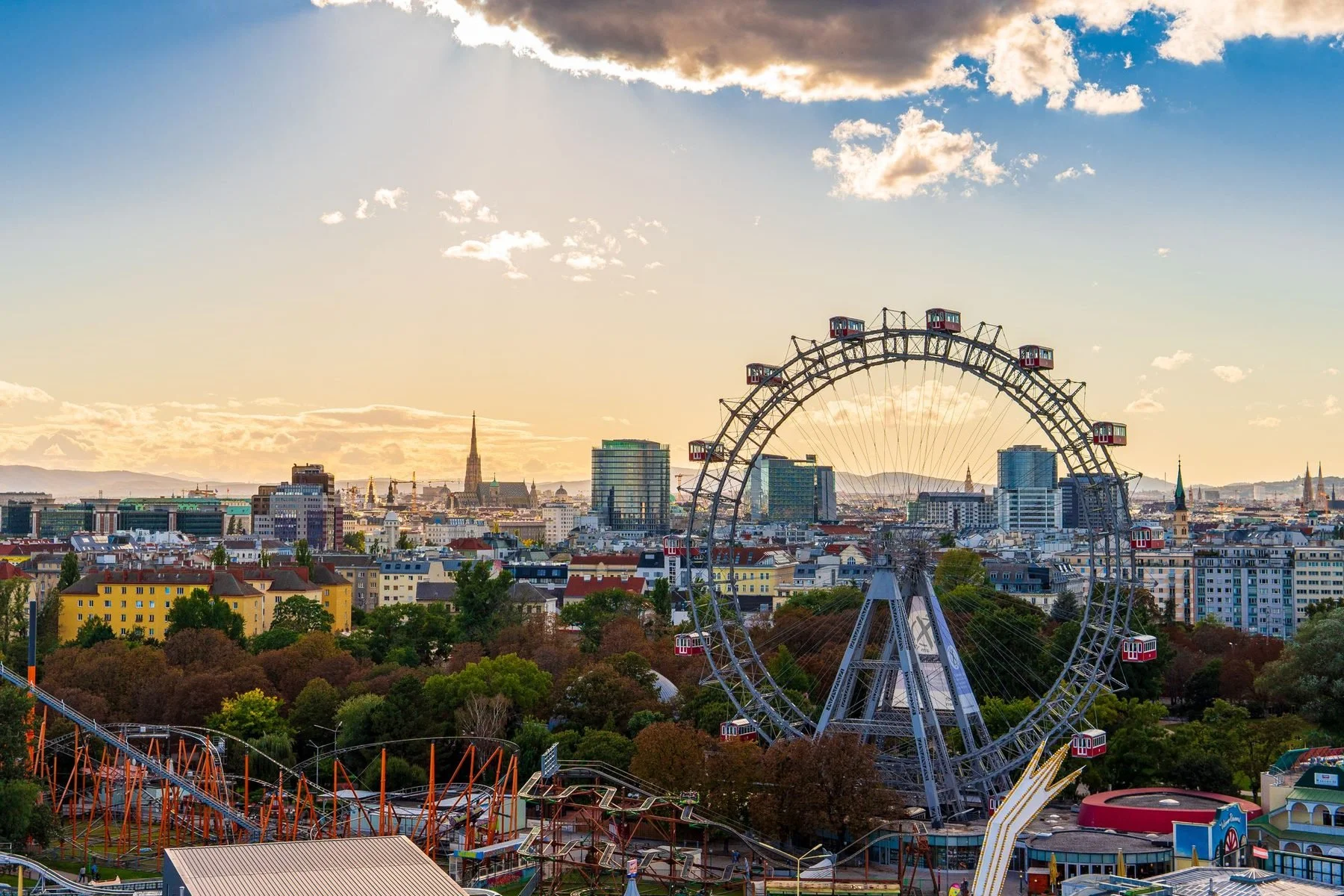
For an experience with romance at its heart, a private wagon can be reserved on the Wiener Riesenrad, the Ferris wheel that has turned over the Prater since 1897. At 64.75 metres and one slow revolution, there’s time for an entire dinner before your guests are back on the ground.
And for opera lovers? Dream Tours have even previously arranged a backstage meeting with Plácido Domingo directly after a performance at the Vienna State Opera, followed by dinner.
Salzburg, and a table on top of a mountain
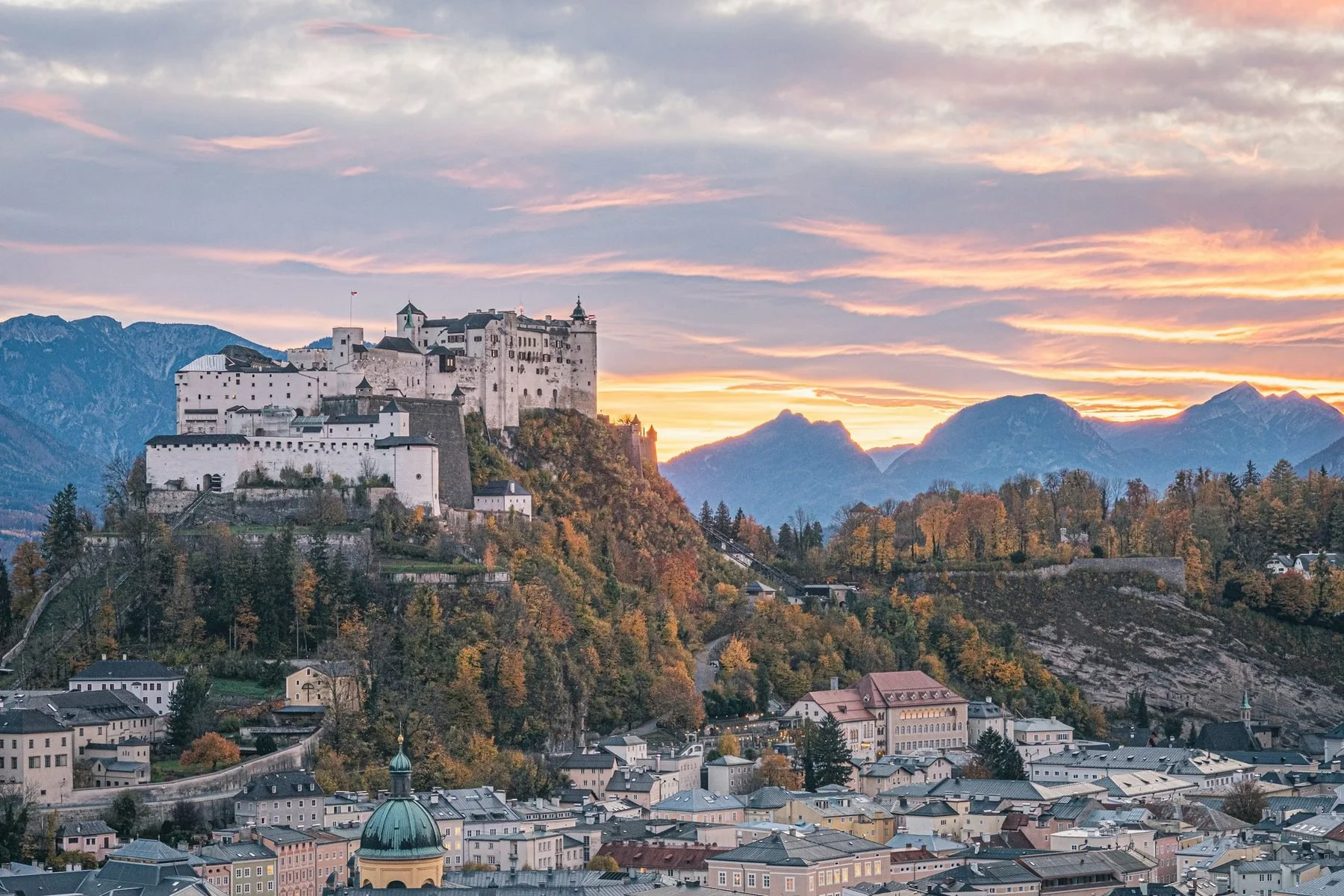
Two and a half hours west, with the mountains and lakes only an hour or so beyond it, Salzburg trades imperial grandeur for something a lot more concentrated: a UNESCO-listed old town you can cross in fifteen minutes, Mozart’s front door on the Getreidegasse and the Hohensalzburg fortress on the rock directly above it.
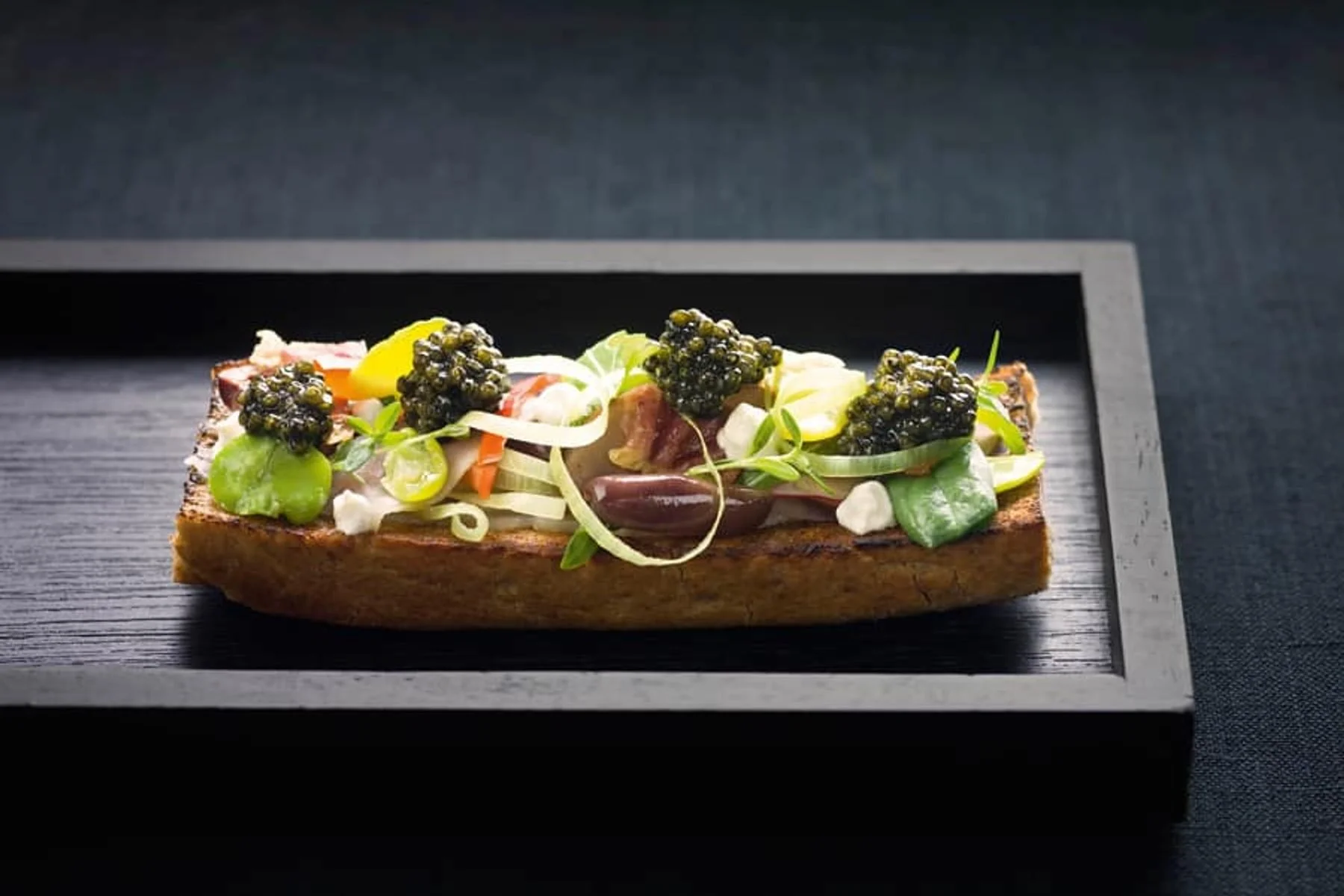
Here, Dream Tours’ access goes in a different direction: rather than opening a palace, they’ll bring a Michelin-starred chef to your guests, cooking privately either at the restaurant or in your clients’ own apartment with the Hohensalzburg Fortress filling the window, every course built around what they actually like to eat.
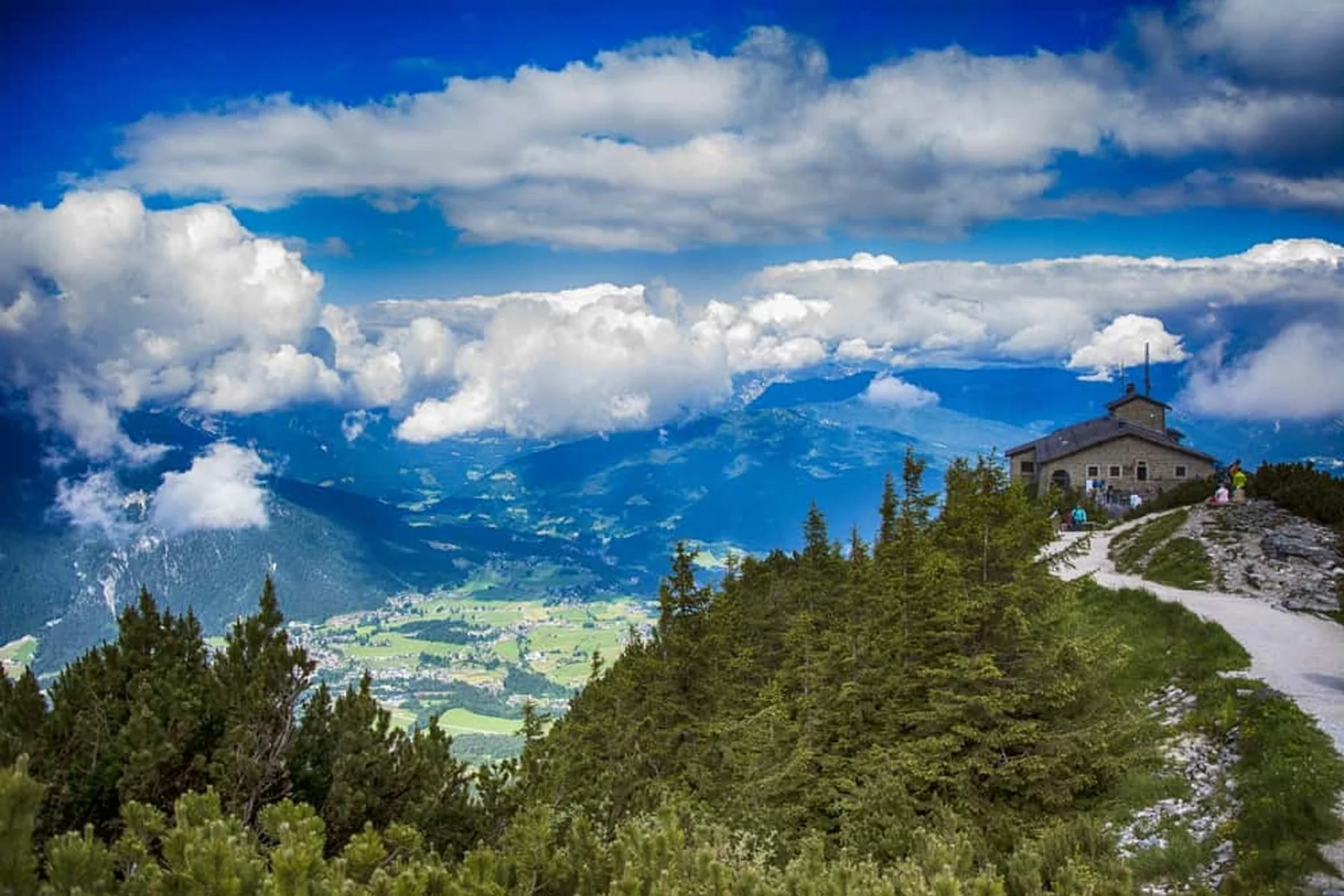
And then there’s the Eagle’s Nest. Perched above Berchtesgaden, just across the German border and an easy half-day from Salzburg, it was built for Hitler and is a place whose difficult history Dream Tours don’t gloss over.
But it’s also one of the great vantage points in Europe, with 360 degrees of German and Austrian Alps falling away in every direction, and your guests will reach it via the original lift shaft driven up through the rock, seeing the machinery in sections normally closed to visitors.
Dream Tours can even arrange a private dinner table right there on the summit, timed so that the meal and the sunset arrive together, and all of this before your clients have even reached the mountains.
Winter starts before the first ski day…
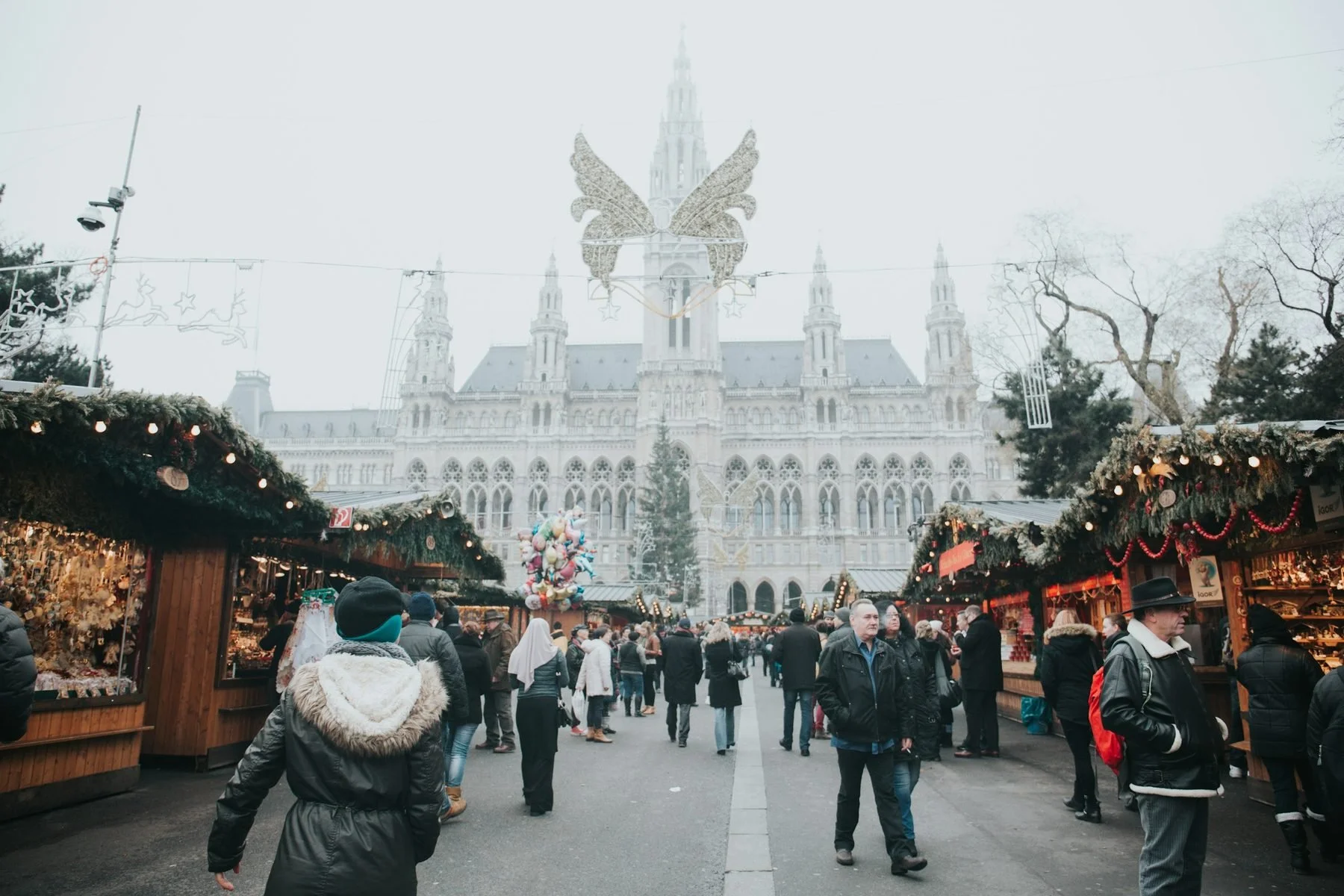
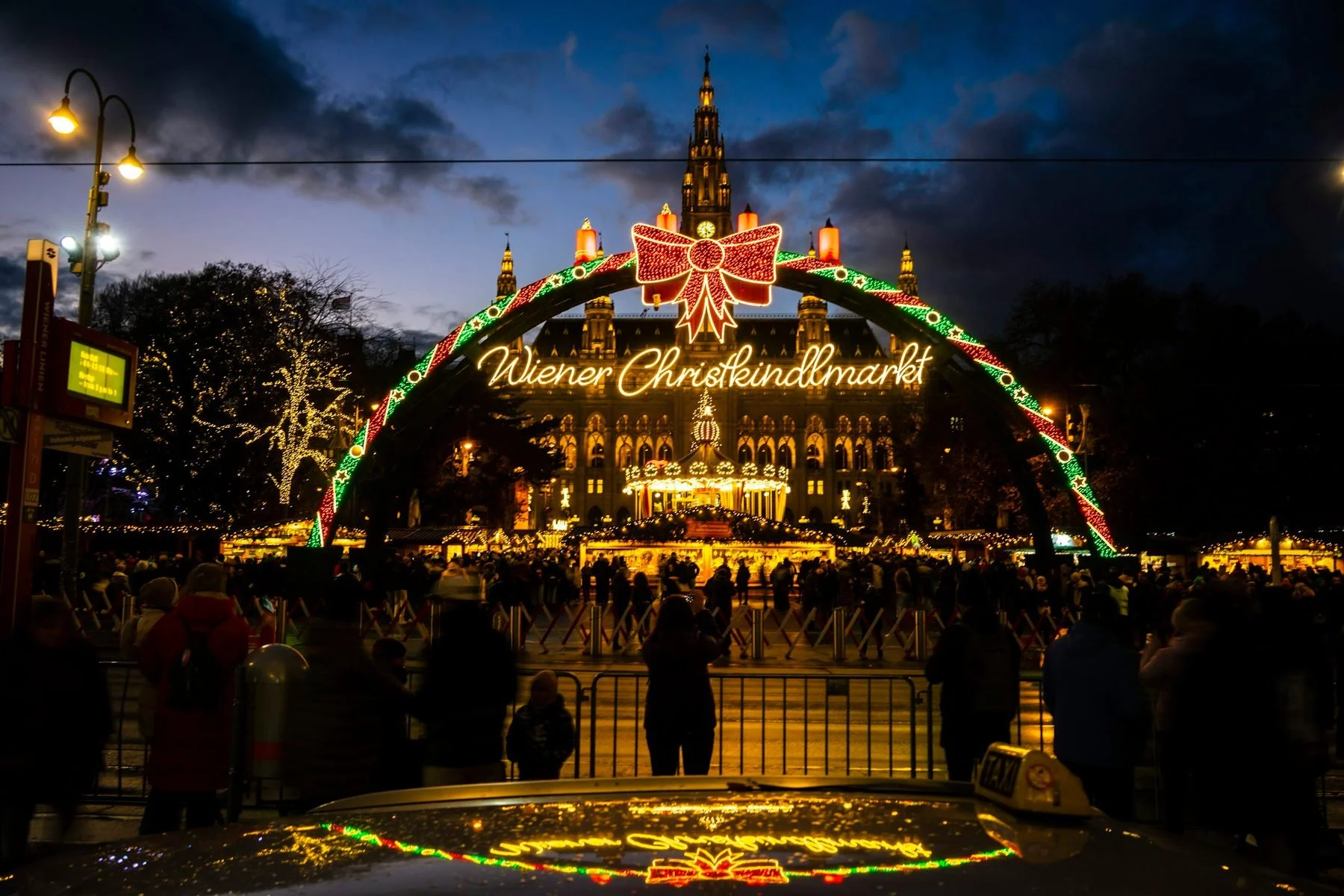
Vienna’s Christmas markets are the ones your clients will have heard of, with Salzburg close behind, but when is best to travel?
The main markets run from late November to the end of the year, with a handful staying open until 6 January while the smaller ones typically close after Christmas Eve.
But the window with the strongest atmosphere, with the concerts, the crowds (in the right sense) and everything twinkling, is the stretch from late November to Christmas Eve before the markets wind down and the emphasis shifts to celebration.
Dream Tours’ suggestion for clients who want more than the headline markets is to get out of the cities: nearly every small town around Salzburg runs its own market and lights the whole centre, and a full day touring the lakes will take in several.
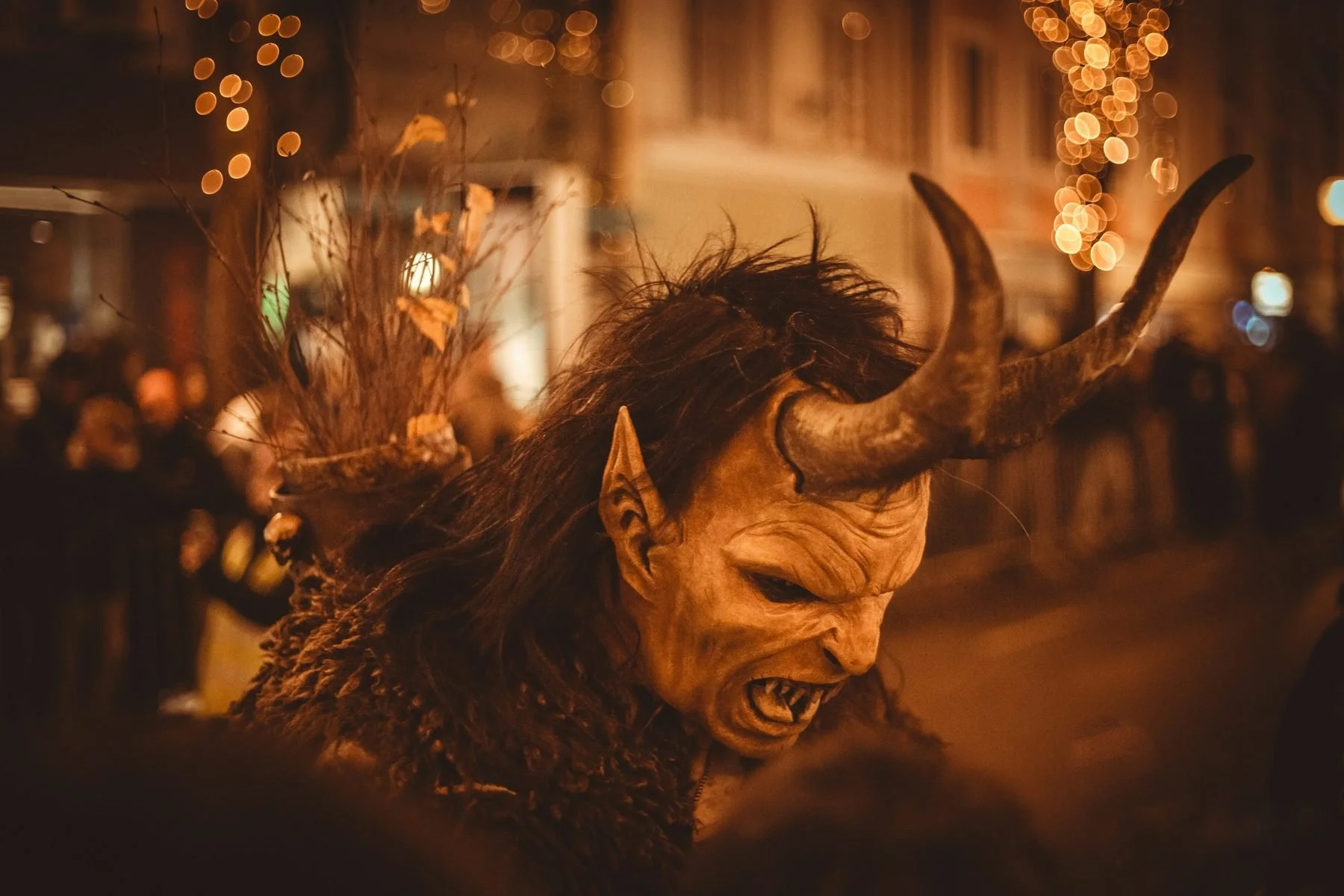
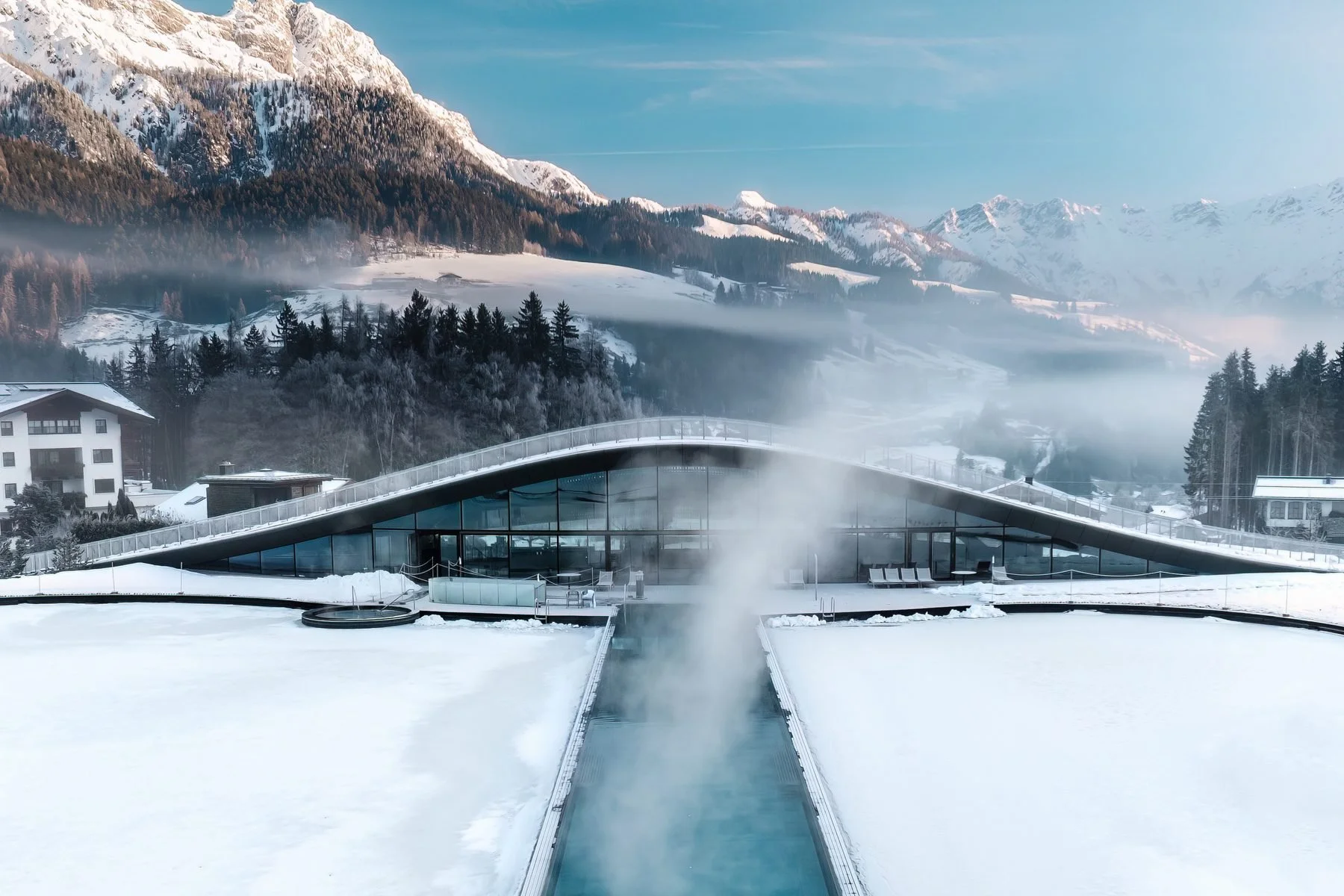
Photo credit (right): Krallerhof
Then there’s Krampus. The horned companion to St Nicholas appears in parades through late November and early December, with Krampusnacht itself falling on 5 December. It’s loud, slightly alarming and completely unmissable, and Dream Tours had requests in for it this year long before the season started.
And for clients who think an Austrian winter just means skiing?
There’s also lots of horse-drawn sleighs and snowshoeing and tobogganing; long lunches in mountain huts, thermal spas, alpine dining and private festive access to places closed to everyone else when your guests travel with Dream Tours.
Different mountains for different clients
There’s no “best Austrian ski resort”: there are the right resorts for the right client (Dream Tours’ own line), and that’s why they work with four quite different ones, with flights for each one going through Vienna or Munich.
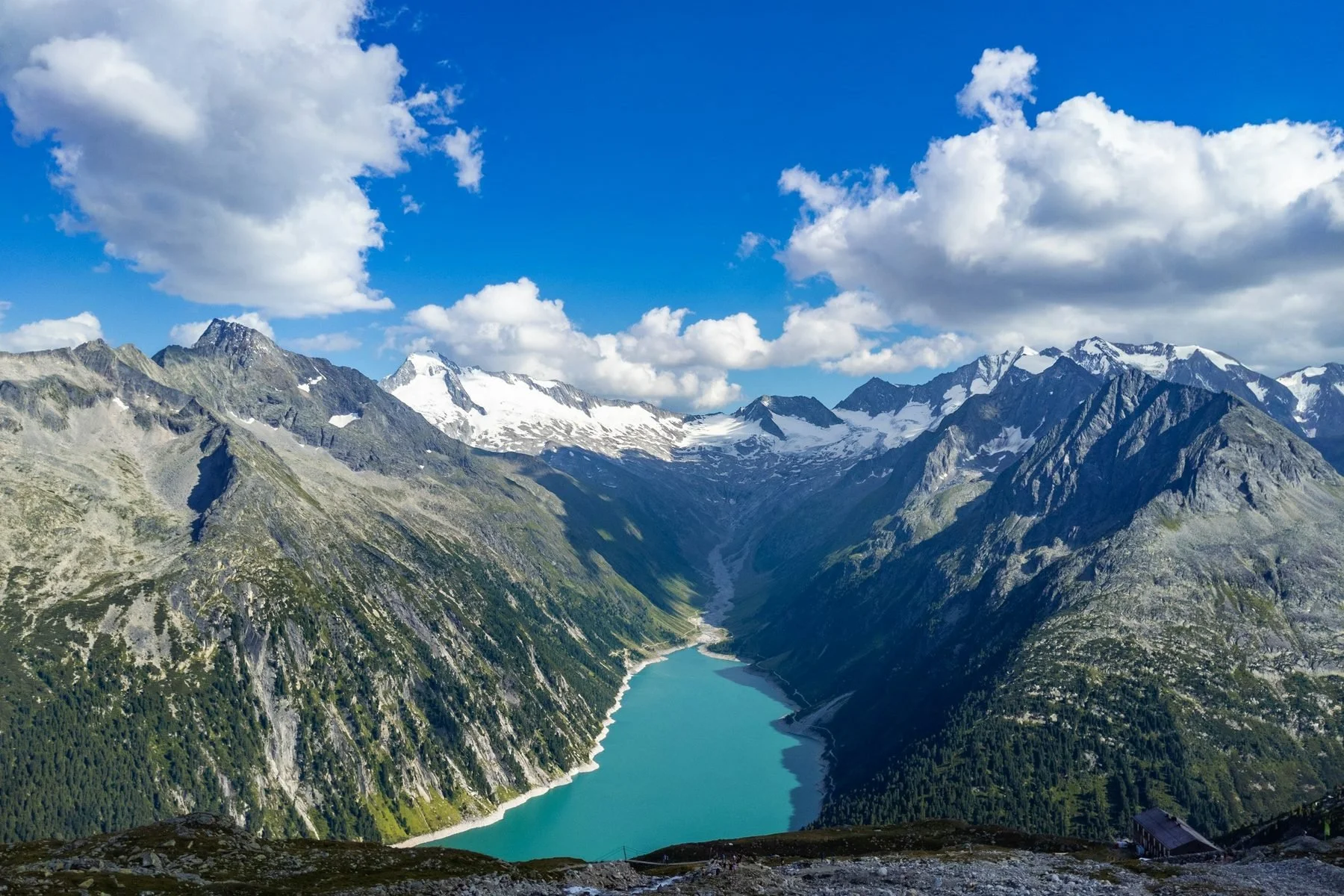
As a skier himself, Zillertal is Viktor’s own choice. At the head of the valley sits the Hintertux Glacier, where lifts reach 3,250 metres and skiing runs year-round, taking the snow gamble from winter bookings.
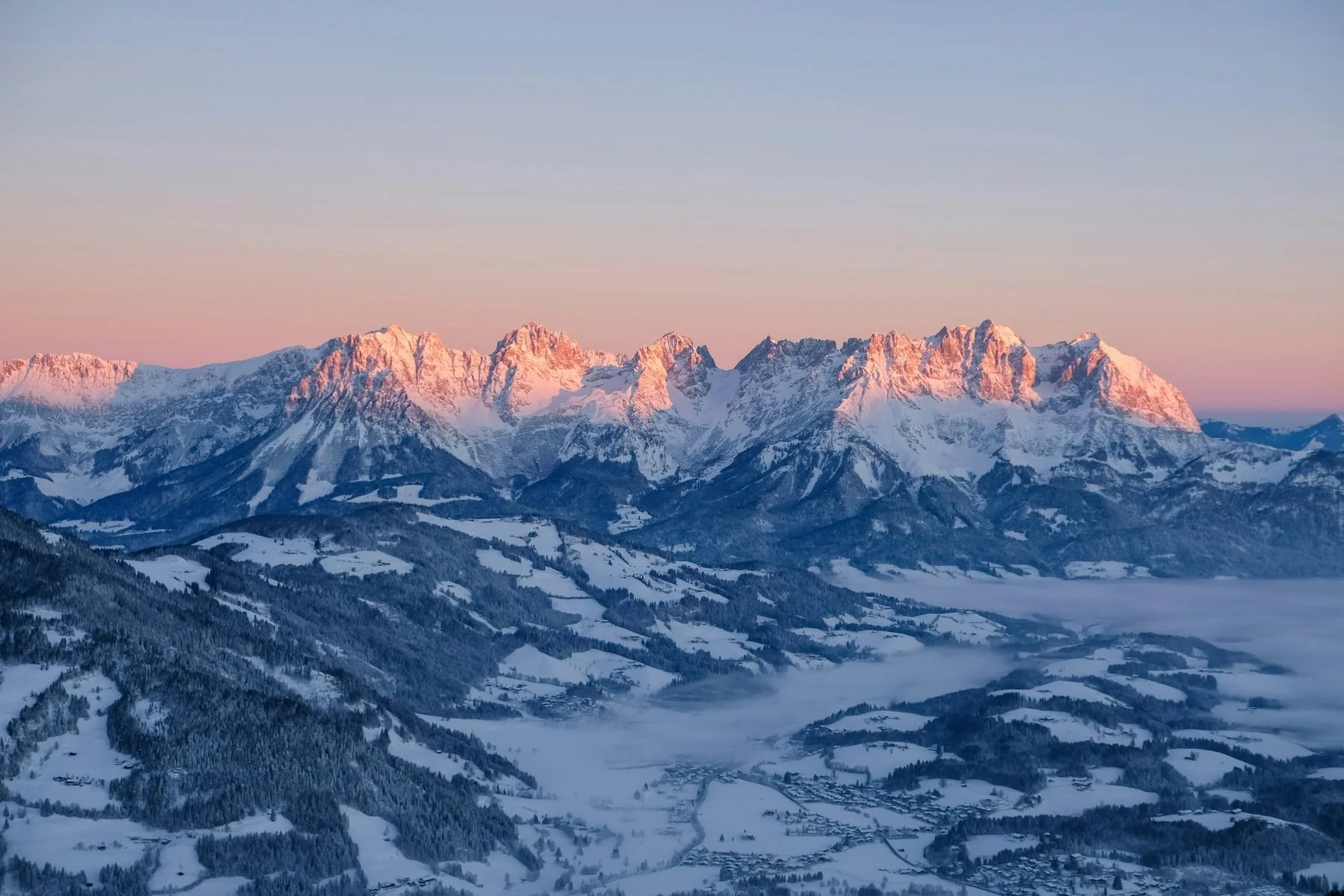
Kitzbühel is the name most clients recognise, thanks to the Hahnenkamm races, first held in 1931, run on the Streif since 1937, and with a fair claim to being the most punishing downhill on the World Cup circuit. But the town is the real draw: a walled medieval town that pulled people in long before the lifts arrived, with shopping, dining and five-star stays, plus the option to experience ice driving arranged by Dream Tours on a frozen circuit with a professional instructor alongside.
Lech and Zürs, in the Arlberg, are the understated option, with luxury retail and private chalets of a standard that’s hard to find elsewhere in Austria, while Sölden works in both seasons; Spectre was filmed here, and Dream Tours run summer Bond itineraries for clients who want the film trail without the skiing.
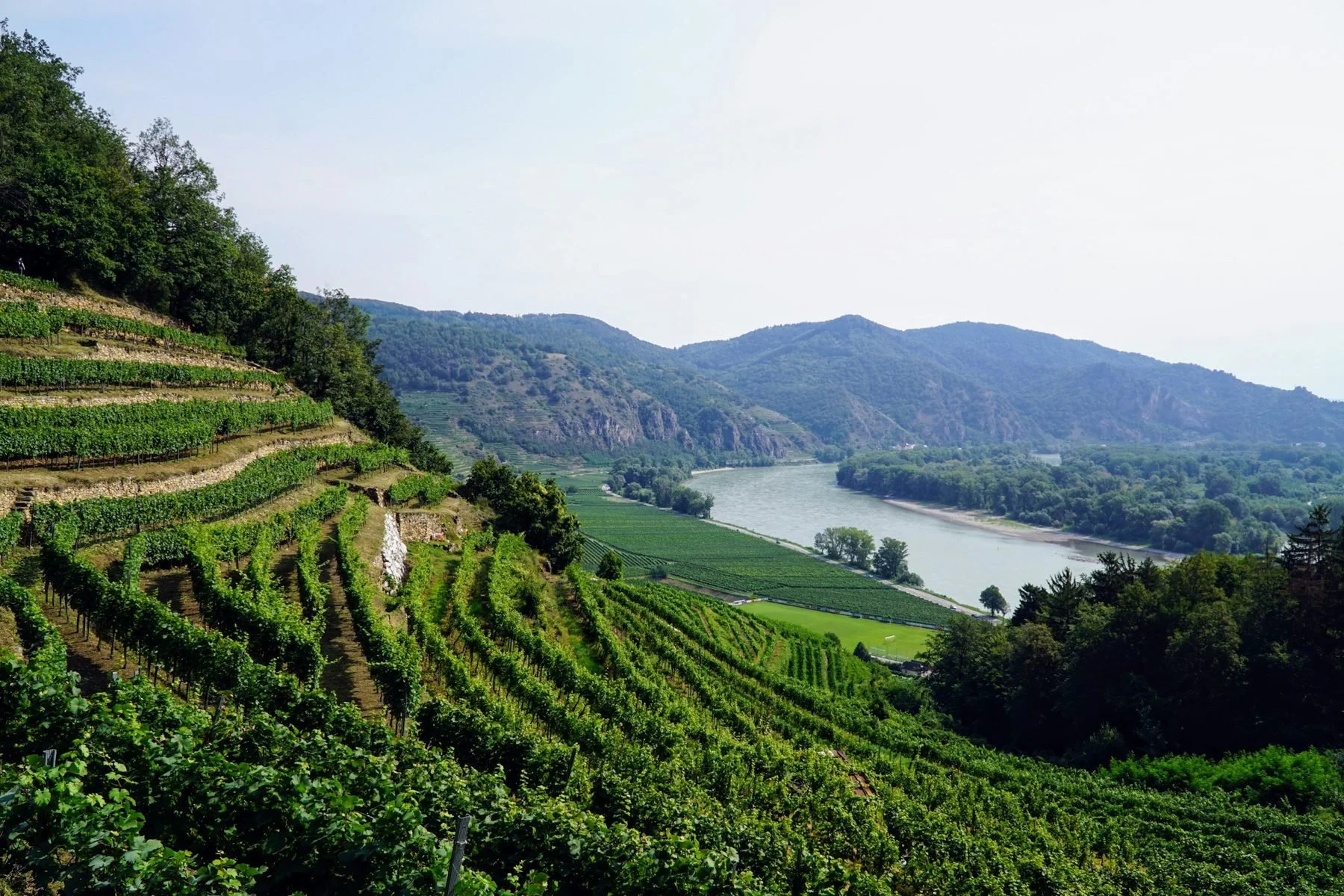
And Austria doesn’t go quiet when the snow does: with options including guided day hikes around the lakes, multi-day walking with luggage moved ahead, cycling along the Danube and private tastings in the Wachau, UNESCO-listed since 2000.
The Salzkammergut lakes, and to Hallstatt or not?
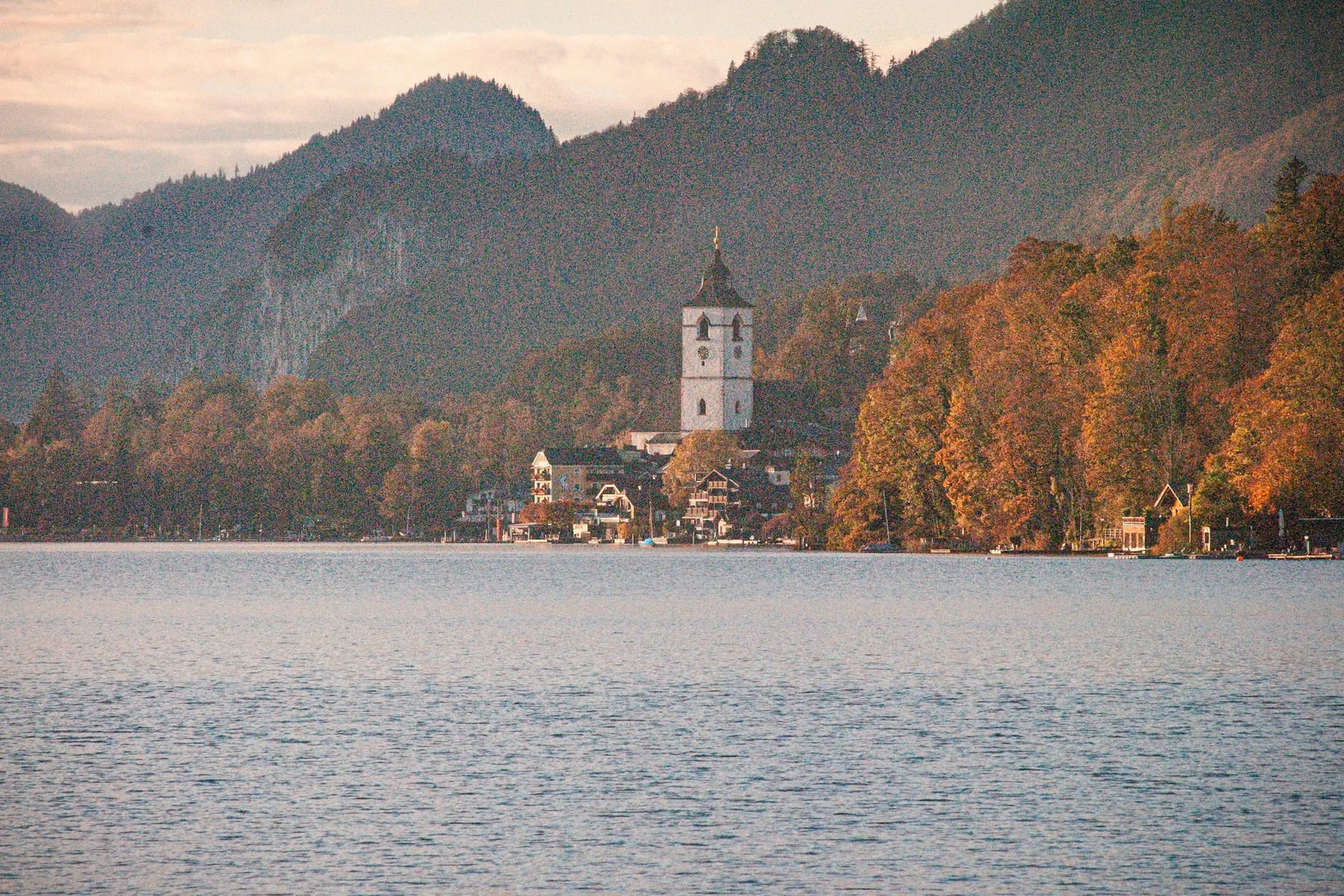
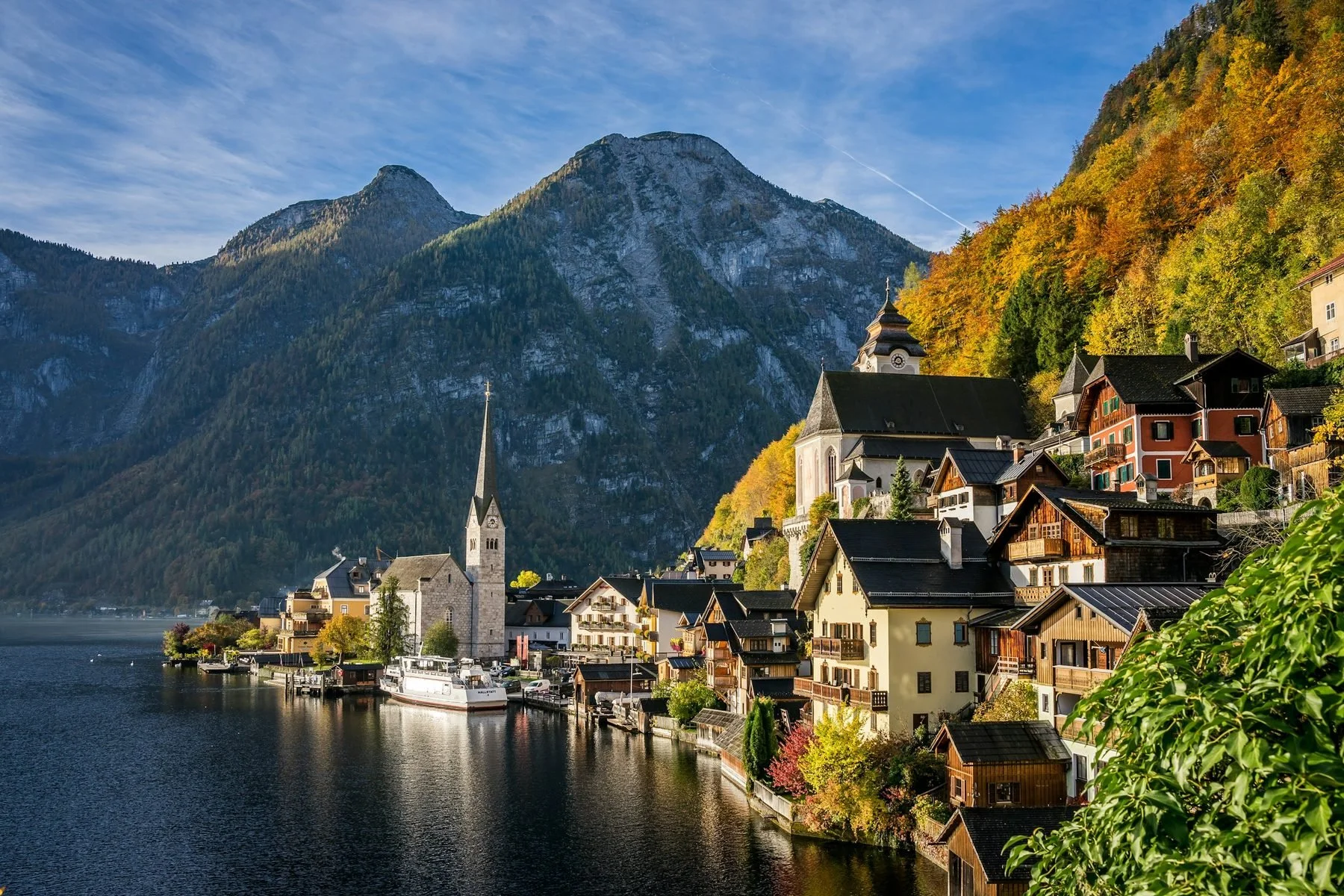
The lakes are where Viktor goes himself, a week every year, and the hotels have improved enough that clients can now base themselves near Salzburg for three to five nights rather than passing through, which brings up Hallstatt.
Fewer than 800 people live there; but on a busy day as many as 10,000 visit, roughly a million a year, many of them day-trippers from Salzburg. It’s UNESCO-listed, and photographed so relentlessly that a full-scale replica was unveiled in China’s Guangdong province in 2012. Residents have blocked the access road in protest.
Should your clients go?
Crowding has eased since its 2019 peak but hasn’t gone away. If someone genuinely wants Hallstatt, Dream Tours’ guides handle it differently, avoiding the coach parking and the standard route, but your clients should know they may lose a couple of hours to queueing.
The alternative is a day around the wider lake district taking in Wolfgangsee and a string of smaller towns, which Viktor says sends most people home just as happily.
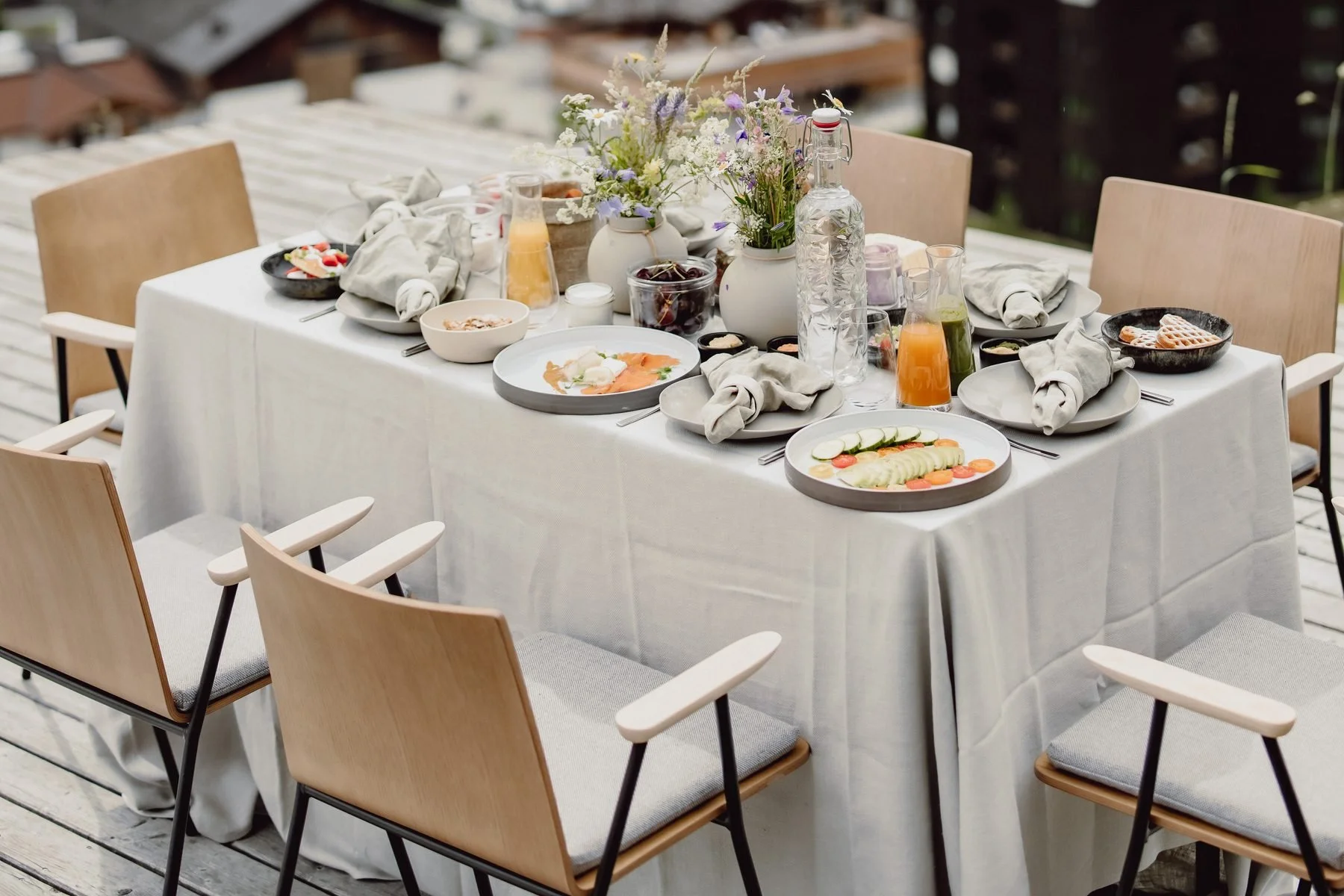
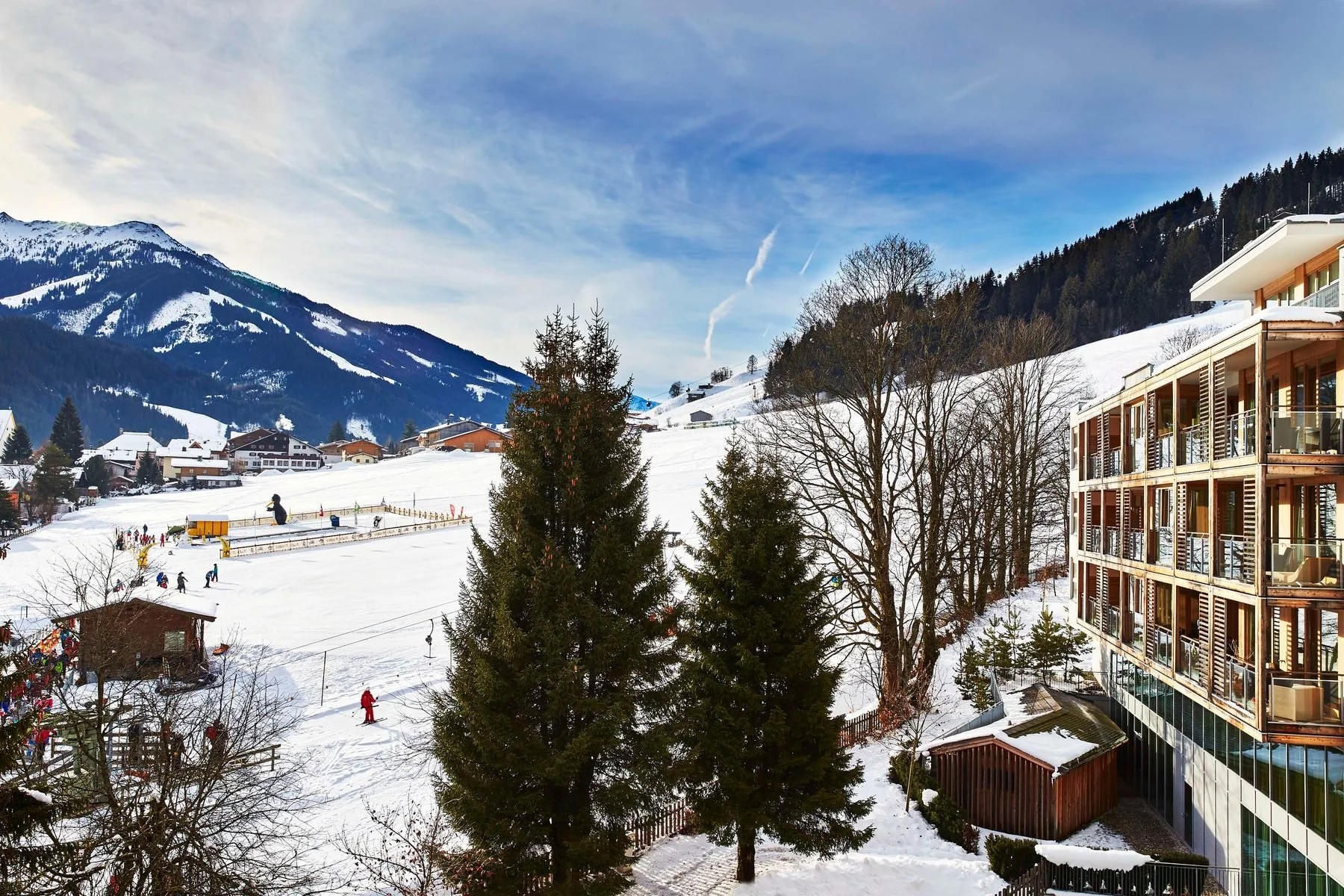
Photo credits: Moar Gut (left) and Kempinski Hotel Das Tirol (right)
Dream stays, handpicked for your clients
For Dream Tours, the hotel is part of the experience, and in Austria several of their picks are the reason to be in a particular valley at all.
In Großarl, Das Edelweiss is the family all-rounder, built around skiing and wellness with a children’s programme that works as hard as the location. Next door, Moar Gut is a Bauernhof hotel, a working farm run at five-star level, where children spend their days with the animals while their parents get the five-star half of the arrangement.
Krallerhof in Leogang is the wellbeing choice, with a design-led spa that justifies the stay on its own, while Rosewood Schloss Fuschl, in a castle dating from 1461 on the shore of Lake Fuschl, is more grand fairytale, with 98 rooms, 42 of them suites, plus six lakeside chalets.
And Kempinski Hotel Das Tirol at Jochberg has ski-in, ski-out access just down the valley from Kitzbühel, with a spa and indoor and outdoor pools.
In the cities? Dream Tours work with names your clients already know.
And for families who’d rather have the run of a place, private chalets across the Alps are booked as often for summer as for ski season.
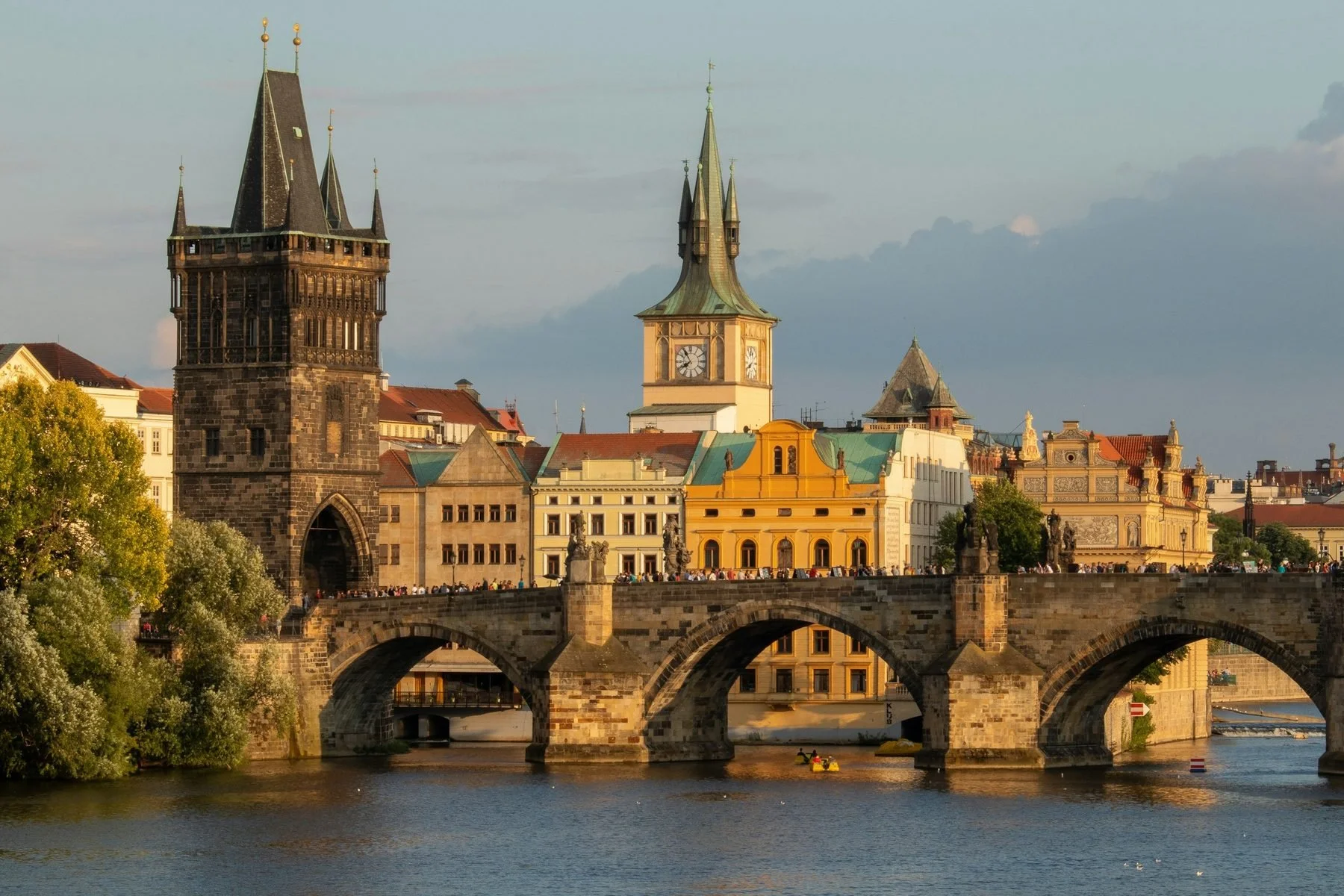
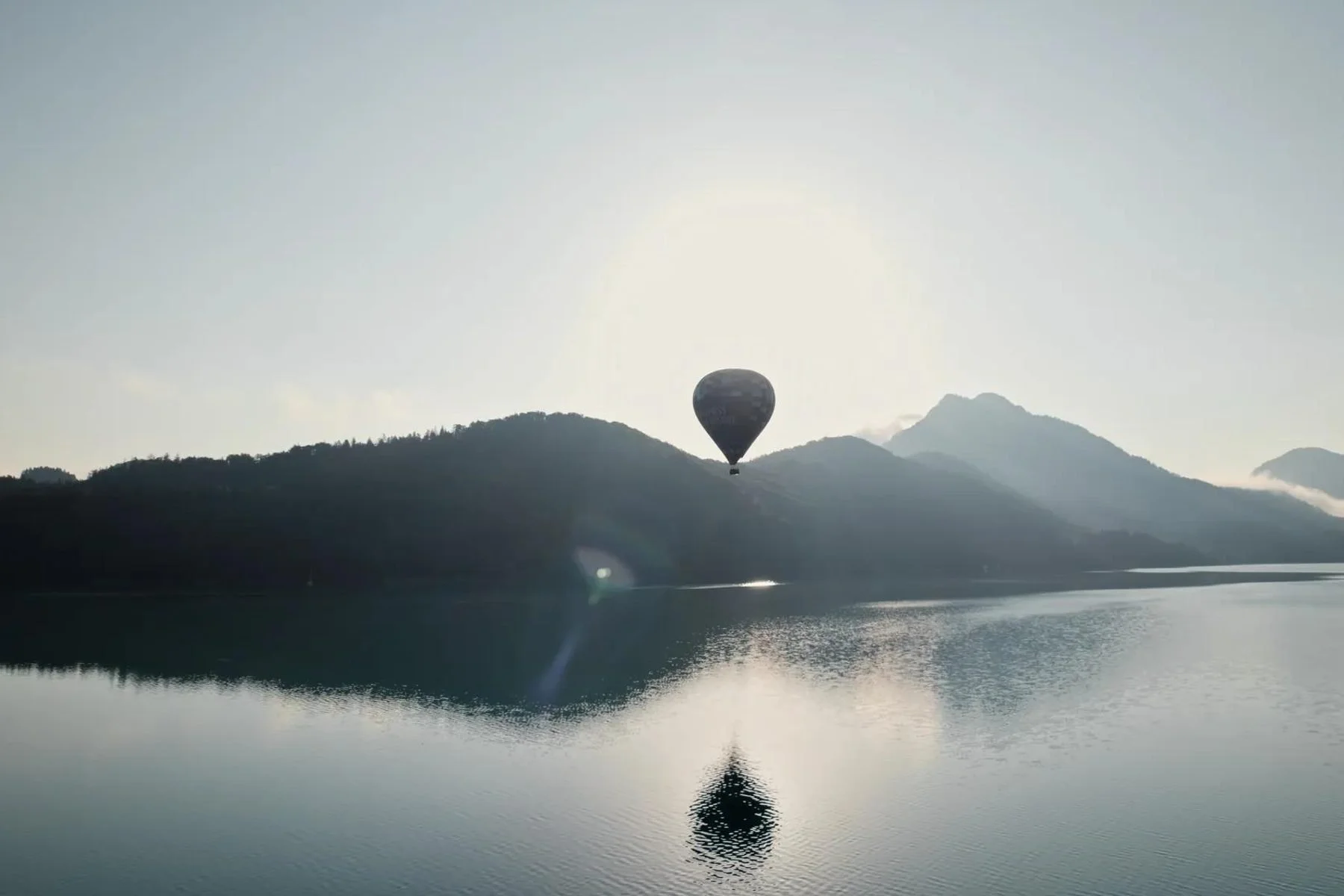
Photo credit (right): Rosewood Schloss Fuschl
One DMC, six countries, one handover
What we love about Dream Tours is that their definition of luxury is all about access to things you can’t find by searching for them, because they exist in relationships rather than in listings: a hot air balloon can be arranged almost anywhere on earth; a dinner table set on the summit of the Eagle’s Nest definitely can’t.
And then there’s their exceptional service.
Dream Tours bring guides from every destination to Prague, where Viktor trains them himself, and each location has one named person owning the logistics. Those guides work directly with Dream Tours rather than through intermediaries, so the standard holds from the first transfer to the last, in Spanish and Portuguese as well as English, with a WhatsApp channel open for the whole trip.
Their Dream Circle programme rewards advisors too, with complimentary experiences on higher-value bookings, points or credit towards hotel nights, and itinerary turnarounds inside 24 hours.
So for you and your clients, choosing Austria is the easy part: what Dream Tours add is all that private access and unique experiences that can’t be booked elsewhere.
Frequently asked questions
Is Austria a good alternative to Switzerland for luxury clients?
Yes. Austria pairs two great cities, Vienna and Salzburg, with alpine country, all within a remarkably compact space, so clients can combine imperial and musical heritage with the mountains in one trip. With Dream Tours it also brings private, after-hours access that can’t be booked elsewhere.
When are the Christmas markets in Vienna and Salzburg open?
The main markets run from late November to the end of the year, with a handful open until 6 January, while the smaller ones typically close after Christmas Eve. The strongest atmosphere is from late November to Christmas Eve, and Krampusnacht falls on 5 December.
Which Austrian ski resort is best for luxury travellers?
It depends on the client. Zillertal has year-round skiing on the Hintertux Glacier; Kitzbühel adds a walled medieval town with shopping, dining and five-star stays; Lech and Zürs are the understated option with private chalets; and Sölden works in both seasons, with summer Bond itineraries.
Is Hallstatt worth visiting?
It can be, but as many as 10,000 people visit on a busy day. Dream Tours’ guides avoid the coach parking and the standard route, though clients may still lose a couple of hours to queueing. A day around Wolfgangsee and the smaller lake towns is the alternative most clients enjoy just as much.
If you’re ready to learn more and build Austria for your clients? Get in touch and we’ll introduce you to Viktor and the Dream Tours team. You can also browse Dream Tours’ sample itineraries and advisor resources in their Sales Toolkit.
